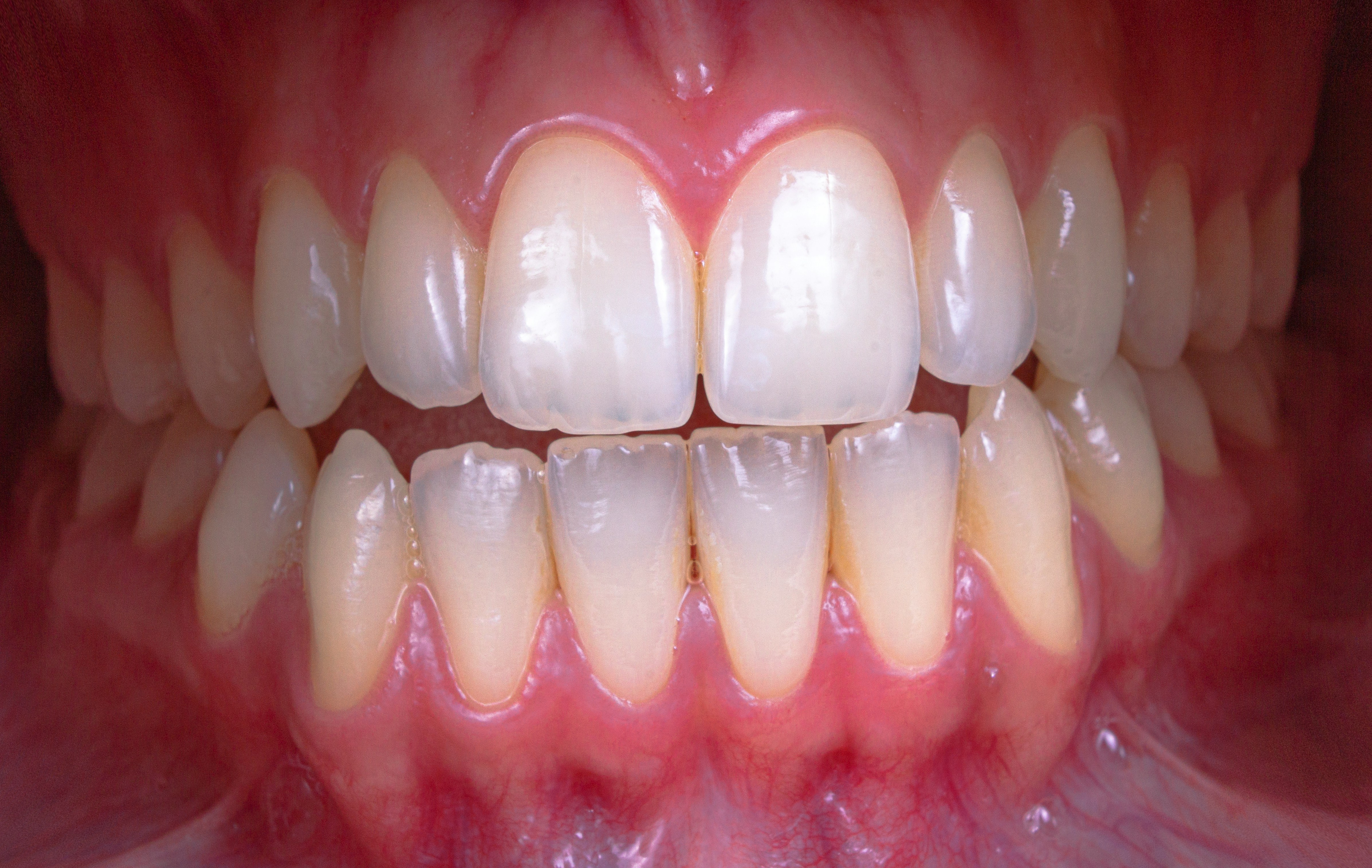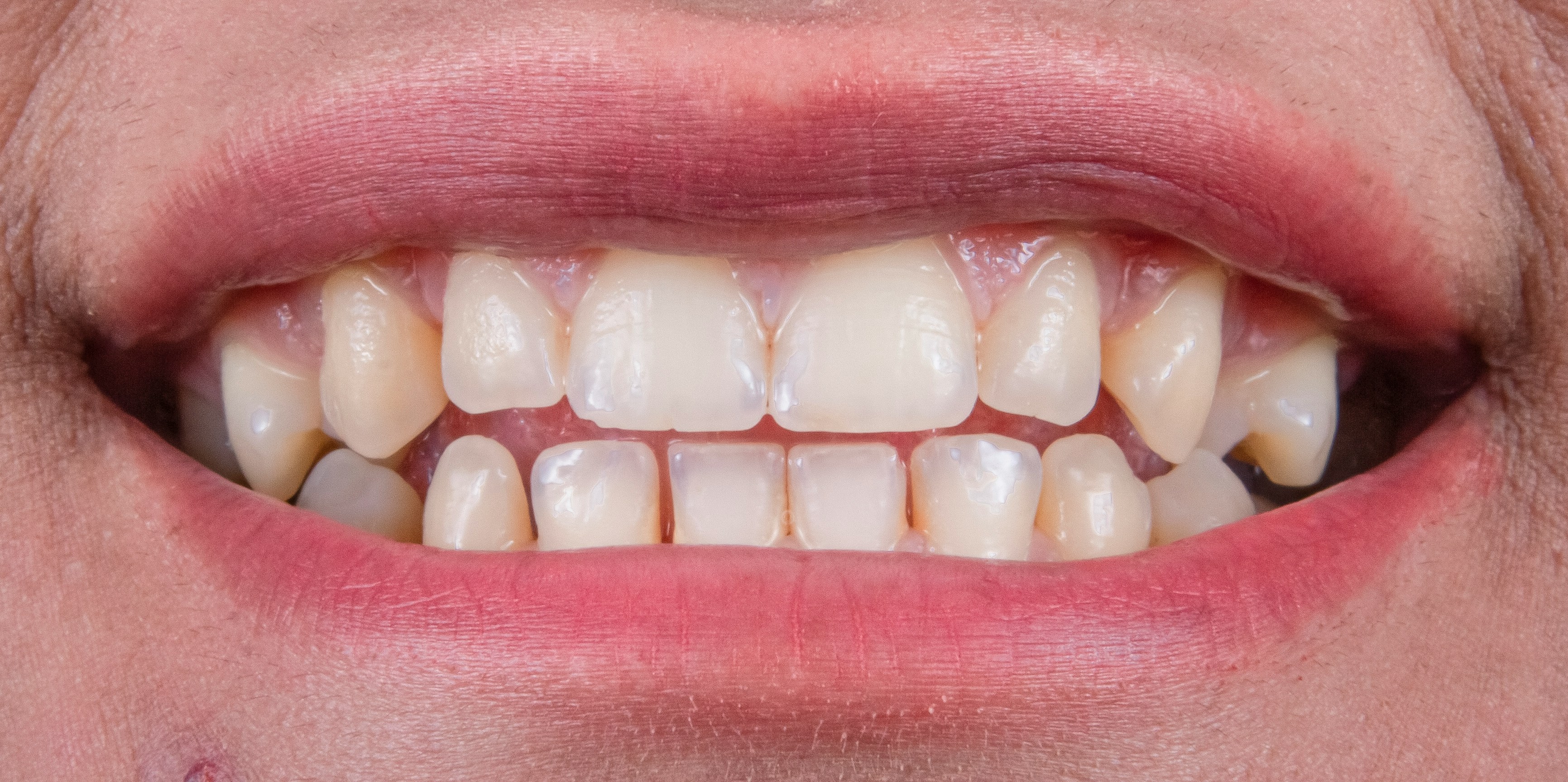
After months or even years of wearing braces or clear aligners, seeing your straight, new smile for the first time is a great feeling. However, the work doesn’t stop the moment the braces come off. Without a retainer, your teeth have a natural tendency to shift back toward their original positions. This happens because the bone and gums around your teeth need time to harden and settle into their new spots. A retainer acts as a guide, holding everything in place while your mouth stabilizes.
In this guide, we will look at the different types of orthodontic retainers available in 2026, how they work, and how you can keep them clean to ensure your smile lasts a lifetime.
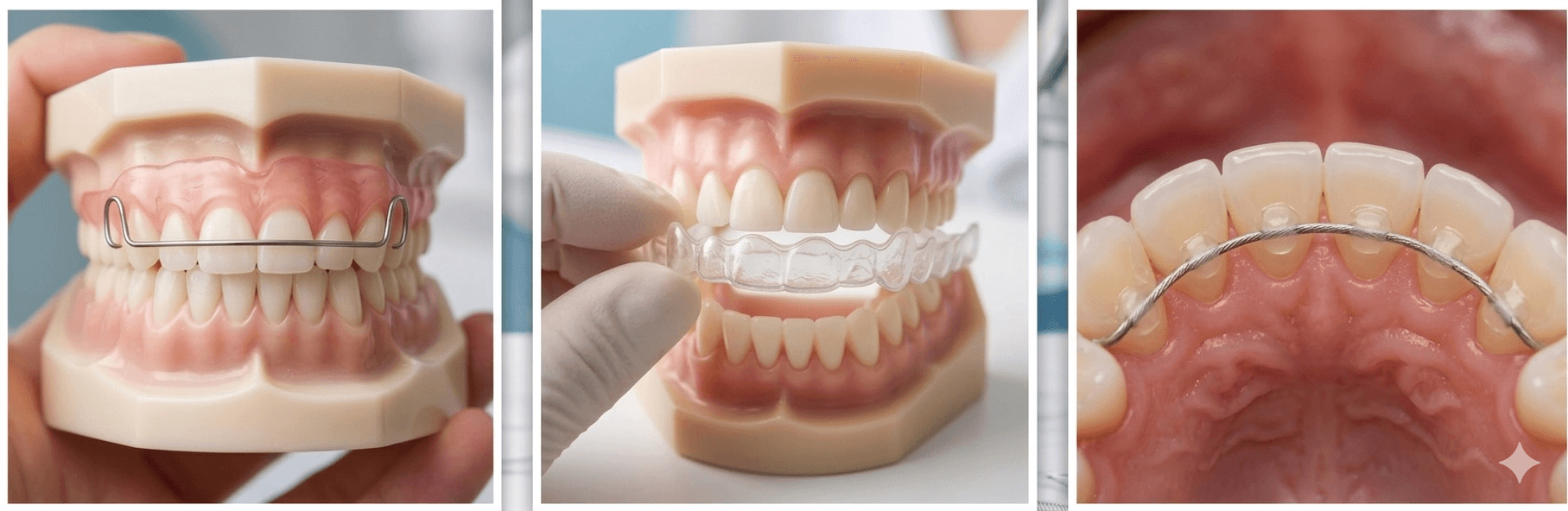
Different Types of Orthodontic Retainers After Braces
Feature | Hawley Retainers | Clear Plastic Retainers | Fixed (Bonded) Retainers |
Appearance | Visible metal wire across the front teeth. | Virtually invisible; clear plastic fit. | Hidden behind the teeth; not visible. |
Removability | Removable for eating and cleaning. | Removable for eating and cleaning. | Permanent; stays in the mouth. |
Durability | Very high; can last many years. | Moderate; may need replacement every 1–3 years. | High, but requires monitoring for loose bonds. |
Comfort | May feel bulky; it can initially affect speech. | Comfortable and slim, but covers the chewing surfaces. | Very comfortable once you get used to the wire. |
Main Benefit | Adjustable and long-lasting. | Discreet and holds teeth in exact position. | No need to remember to wear it; 24/7 protection. |
Cleaning | Easy to clean outside of the mouth. | Easy to clean, but can stain if not rinsed. | Requires extra effort with floss threaders. |
1. Hawley Retainers
One of the most traditional types, which is likely what comes to mind when most people think of a retainer. It consists of a thin metal wire that runs across the front of your teeth, connected to a plastic or acrylic base that is custom-molded to fit the roof of your mouth or the area under your tongue.
Since there is a metal wire across the front, this retainer is visible when you speak or smile. Some people also find that the acrylic plate feels a bit bulky against the roof of the mouth, which might cause a slight lisp for the first few days of wearing it. However, most people adjust to the feeling very quickly.
2. Clear Plastic Retainers
Often referred to as Essix or Vivera retainers, clear plastic retainers have become one of the most widely used options in recent years. They look very similar to the clear aligners used in treatments like Invisalign. These are made from a thin, medical-grade plastic that is vacuum-formed over a mold of your teeth for a perfect, snug fit.
The primary draw is their virtual invisibility. If you are an adult or a teenager who is self-conscious about wearing a wire, these are a great option. But, clear retainers are not as durable as Hawley retainers. Over time, the plastic can wear down, especially if exposed to heat, so be careful not to leave them in a hot car or rinse them with boiling water.
3. Fixed Retainers
A permanent or bonded retainer is a thin wire that is glued (bonded) to the back of your teeth. It is usually placed on the inner side of the lower six front teeth, though it can sometimes be used on the upper teeth as well.
Since it is permanently attached, you don’t have to remember to put it in every night, and you can’t lose it. Because it sits behind the teeth, it is completely invisible to everyone else. This is often the best choice for patients who have had significant crowding prior to treatment, as these teeth are most likely to shift back.
The main challenge with a fixed retainer is hygiene. Because the wire stays in place, food particles and plaque can easily get trapped around it. You cannot floss normally; you will need to use a floss threader or an interdental brush to clean between the teeth. If the bond breaks on even one tooth, that tooth can start to move without you noticing, so regular check-ups are essential to ensure the wire remains secure.
How to Clean Retainers
Keeping your retainer clean is just as important as keeping your teeth clean. Since retainers sit in your mouth for hours at a time, they can collect bacteria, plaque, and tartar. If left uncleaned, they can start to smell bad and may even lead to cavities or gum irritation.
Daily and Deep Cleaning Routine
For removable retainers (Hawley and Clear Plastic):
Rinse your retainer with cool or lukewarm water every time you take it out. This helps wash away saliva before it dries and hardens into plaque.
Use a soft-bristled toothbrush to gently clean all surfaces of the retainer. Avoid using regular toothpaste, as many brands are abrasive and can leave tiny scratches on the plastic where bacteria can grow. Instead, use a mild, unscented liquid soap.
Never use hot or boiling water, as this will warp the plastic and ruin the fit.
You can soak your retainer in a specialized cleaning tablet solution (like those for dentures or retainers) or a mixture of equal parts white vinegar and water for about 15 minutes. This helps break down any stubborn mineral buildup.
For fixed retainers:
Use a floss threader or "super floss" to get under the wire every single day.
Insert these small, tree-shaped brushes to clean the gaps around the wire and the backs of your teeth.
Operate a water flosser to blast away food particles that a regular toothbrush might miss.
How Long Do You Need to Wear Retainers
Immediately after braces are removed, most orthodontists recommend full-time wear of 20–22 hours per day. After a few months, patients typically transition to nighttime-only wear, which most will continue indefinitely. Teeth can shift at any age, even years after treatment, so wearing your retainer as directed is the most reliable way to preserve your alignment and avoid future corrective treatment.
Retainer care tips for long-term results
Taking care of your retainer is just as important as wearing it consistently.
Simple habits to follow:
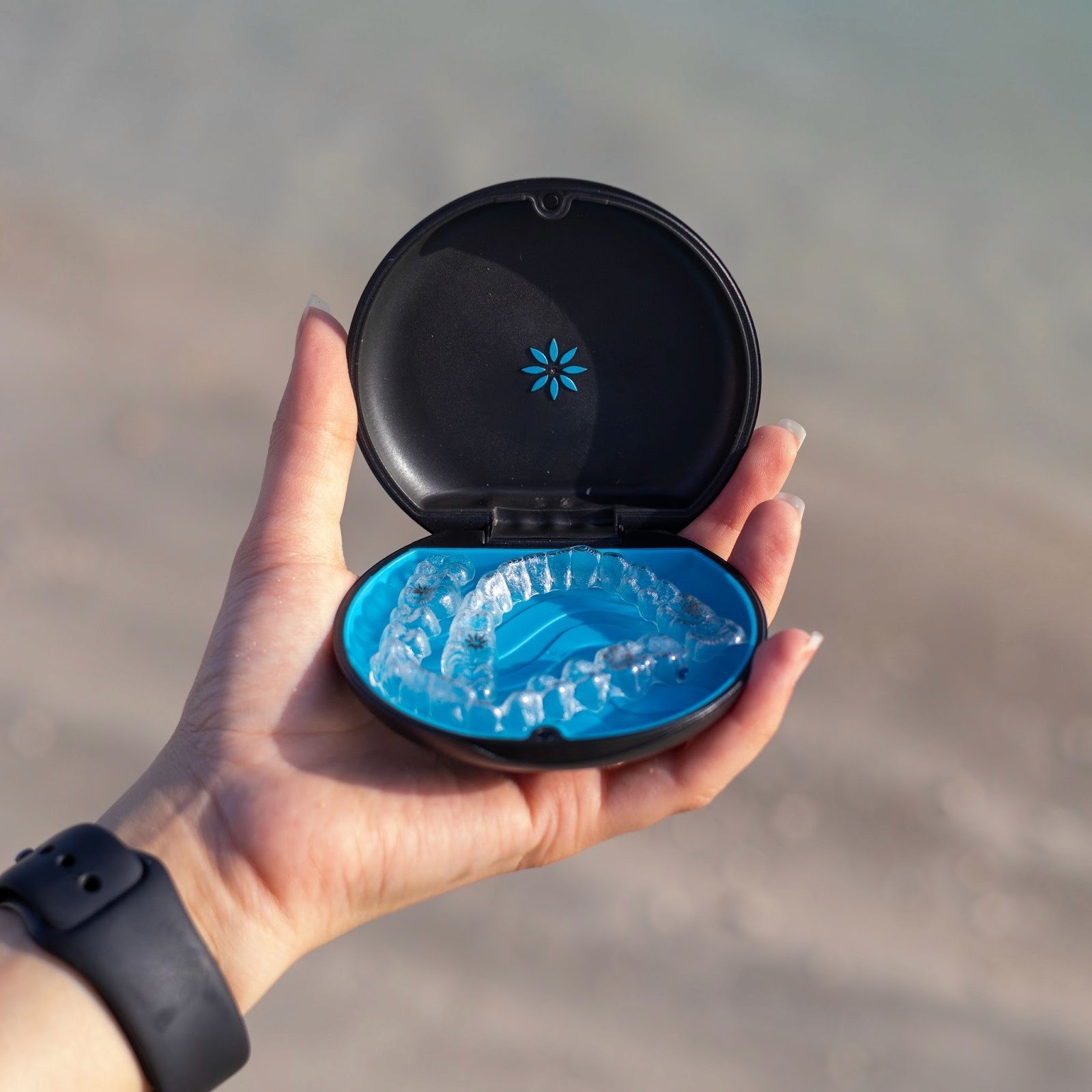
Always store your retainer in its case when not in use.
Keep it away from pets, as they often chew on retainers.
Avoid eating while wearing removable retainers.
Replace your retainer if it becomes cracked, loose, or uncomfortable.

Keeping Your Smile Straight for the Long Term
Your orthodontic treatment was an investment of time, effort, and money. Wearing a retainer is the only way to protect that investment. Whether you choose the durability of a Hawley, the invisibility of a clear plastic tray, or the reliability of a fixed wire, the goal remains the same: a healthy, straight smile for life.
Most people will need to wear their removable retainers full-time for the first few months, eventually moving to "nighttime for a lifetime." A little bit of maintenance today goes a long way in keeping your smile perfect for years to come.