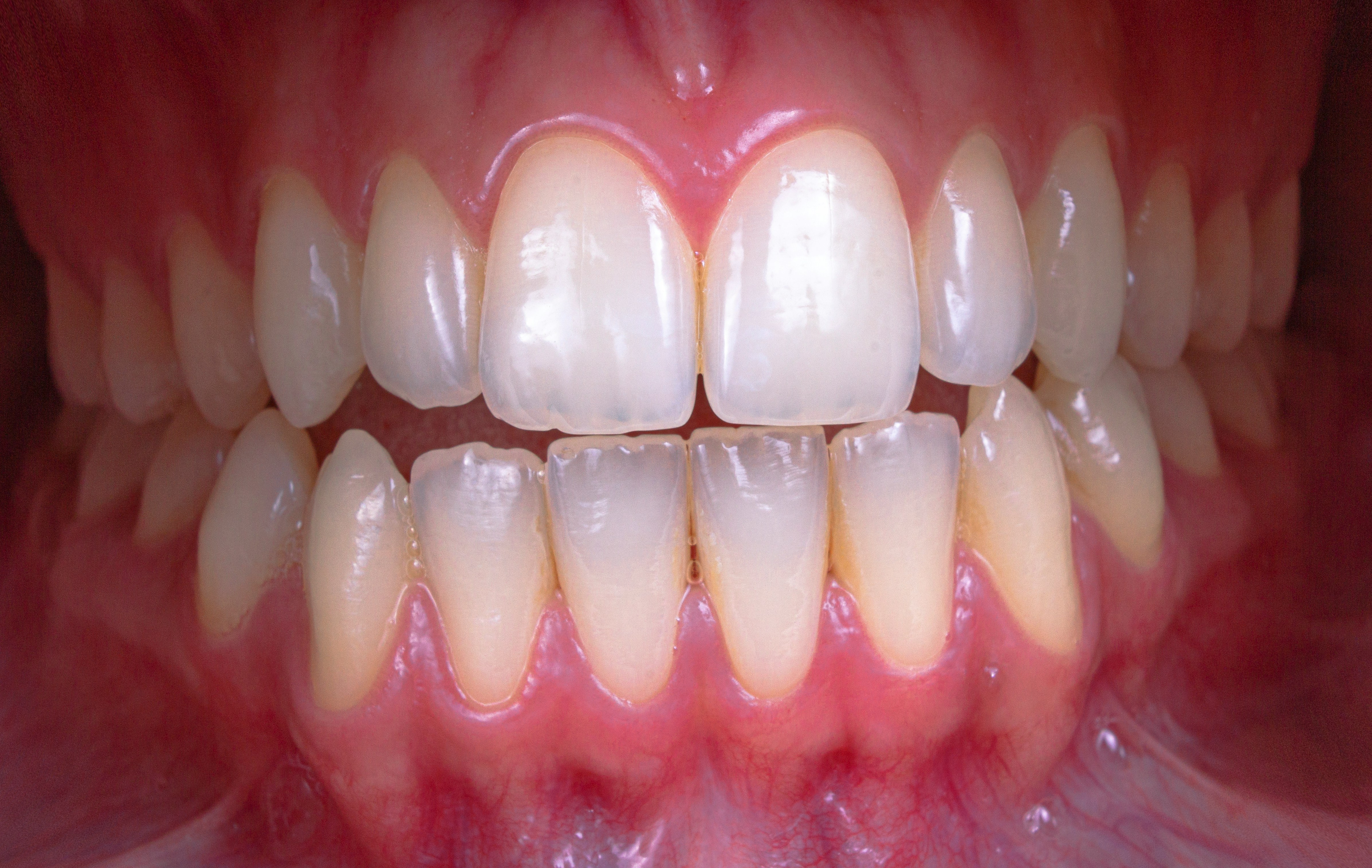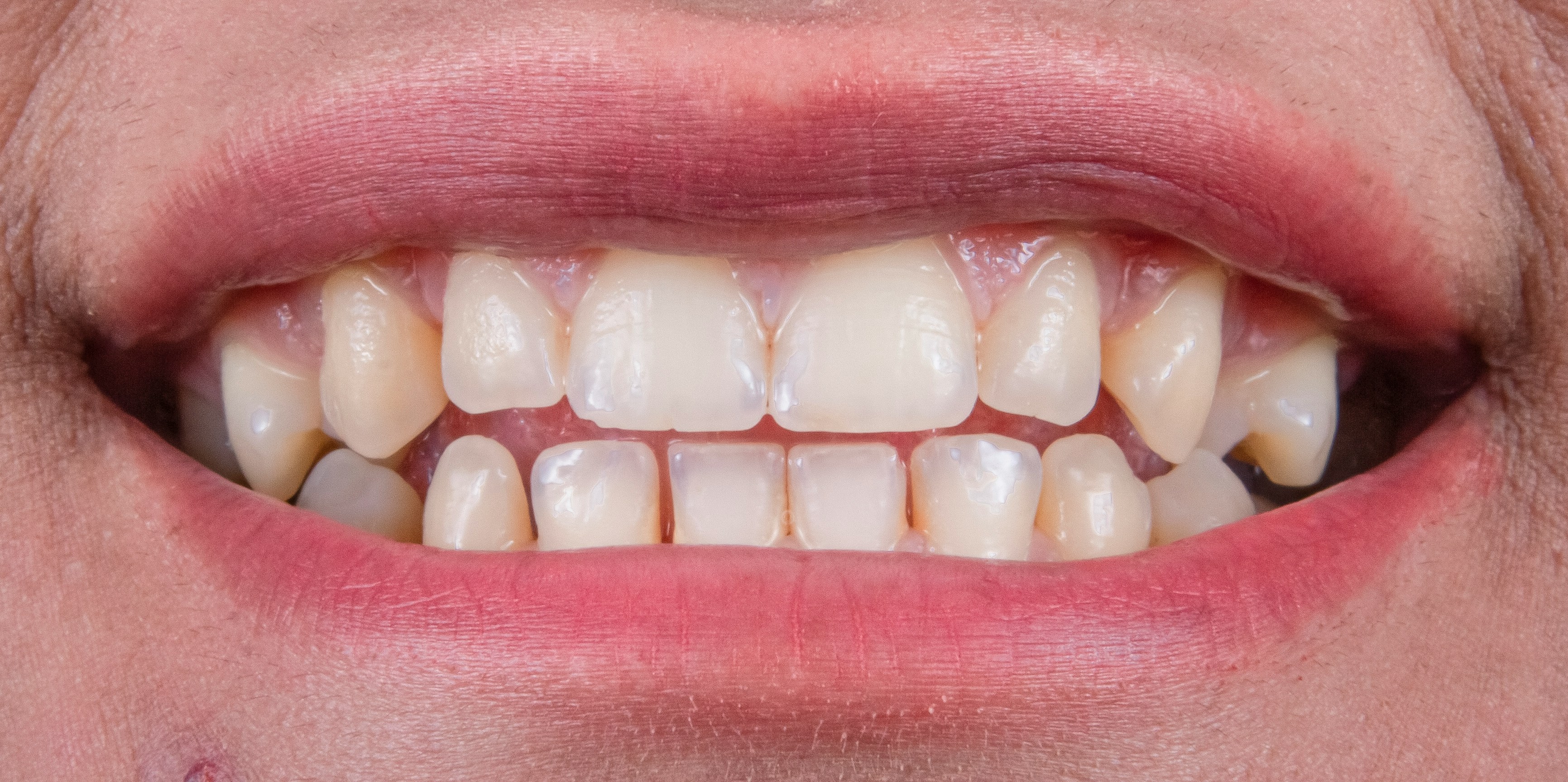
Losing a permanent tooth is a significant oral health concern that should be addressed promptly to prevent further oral health complications. Beyond the immediate aesthetic concern, a missing tooth can lead to the misalignment of adjacent teeth, a reduction in chewing efficiency, and the gradual recession of the jawbone.
In modern restorative dentistry, two primary solutions exist: the dental bridge and the dental implant. Both options are highly effective, yet they differ significantly in how they function, integrate with the mouth, and perform long-term.
Selecting the appropriate treatment involves a careful evaluation of the patient’s clinical history, bone density, and lifestyle preferences. This guide provides a detailed analysis of the dental bridge vs. implant to assist patients in understanding which restorative option best suits their oral health needs.
How Each Restoration Works
To choose the correct treatment, it is necessary to understand how these devices interact with the existing oral anatomy.
The Dental Implant
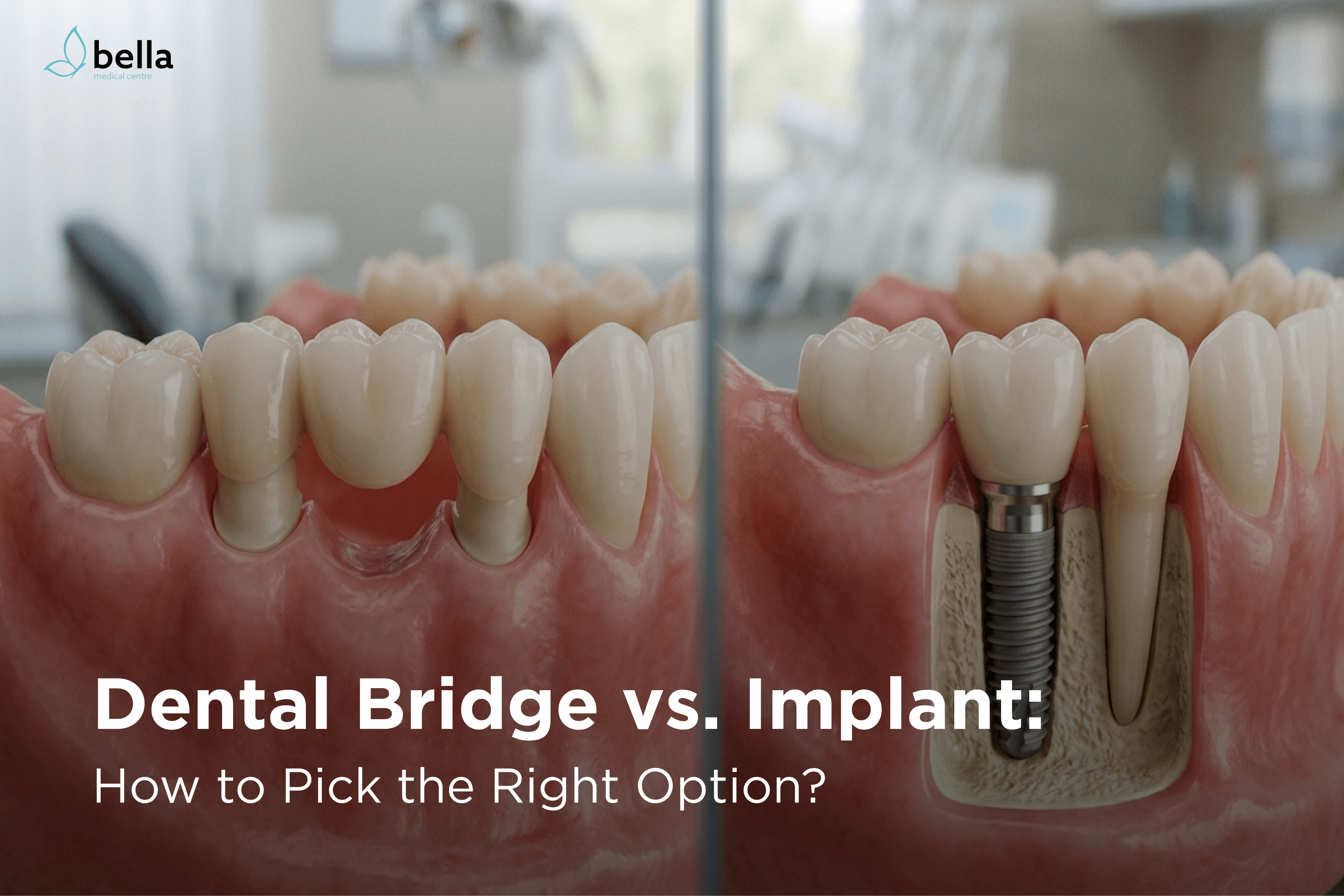
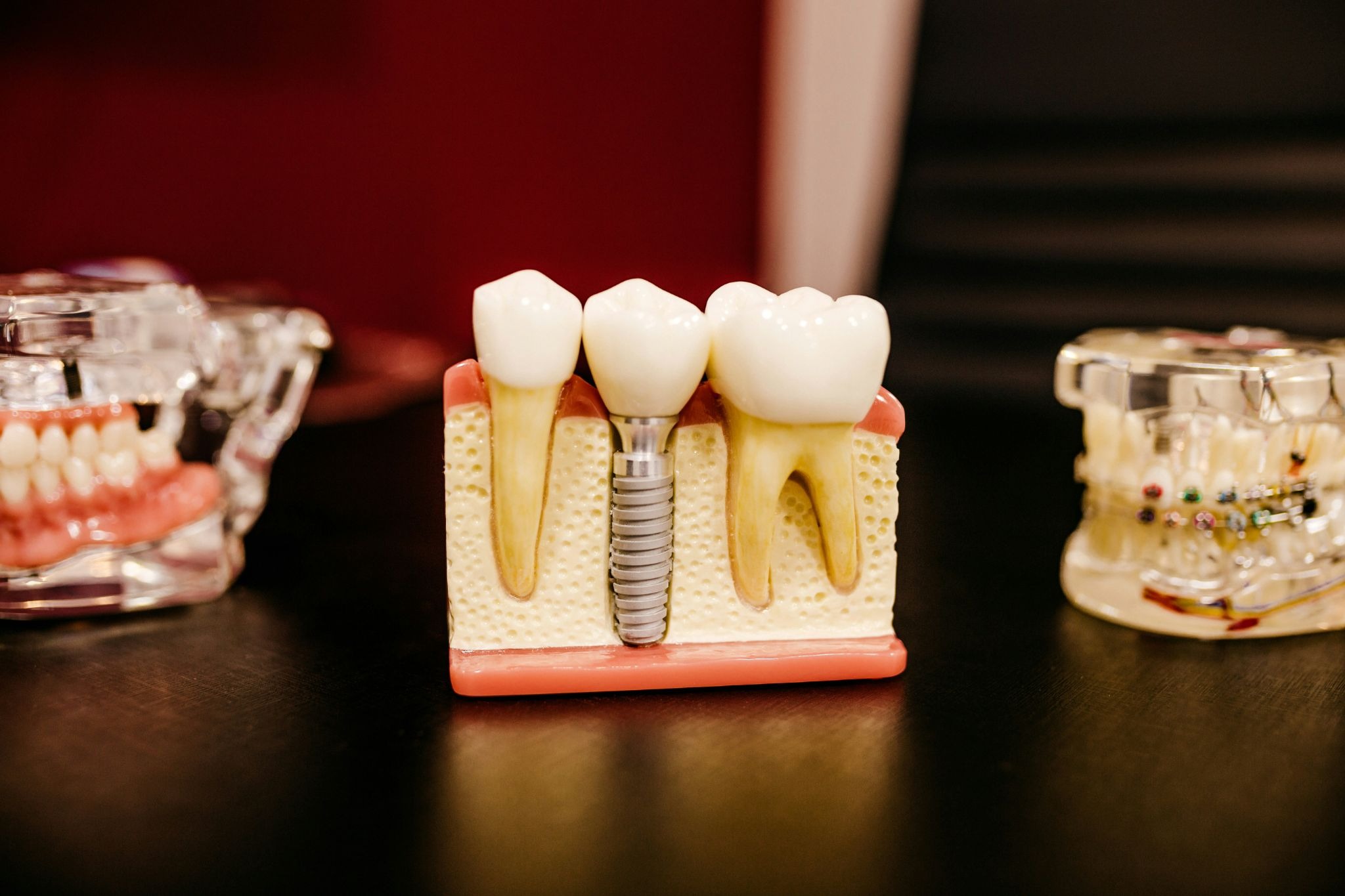
A dental implant is a sophisticated prosthetic that replaces the entire tooth structure, including the root. It consists of a titanium post that is surgically embedded into the mandible or maxilla.
Titanium is used specifically for its biocompatibility, allowing a process known as osseointegration to occur, where the bone grows around and fuses with the metal.
Once the site has healed, an abutment and a custom-made porcelain crown are attached. Because the implant is anchored in the bone, it functions as an independent unit, providing one of the most natural restorations available in modern dentistry.
The Dental Bridge
A dental bridge is a fixed prosthetic that fills the space of a missing tooth by anchoring to the natural teeth on either side. These neighbouring teeth, known as abutments, must be permanently altered to support the bridge.
The restoration consists of crowns for the abutment teeth and a false tooth, or pontic, that sits suspended above the gum line. Unlike an implant, a bridge does not replace the tooth root; it depends entirely on the support of the surrounding teeth.
Comparing Dental Bridges and Implants
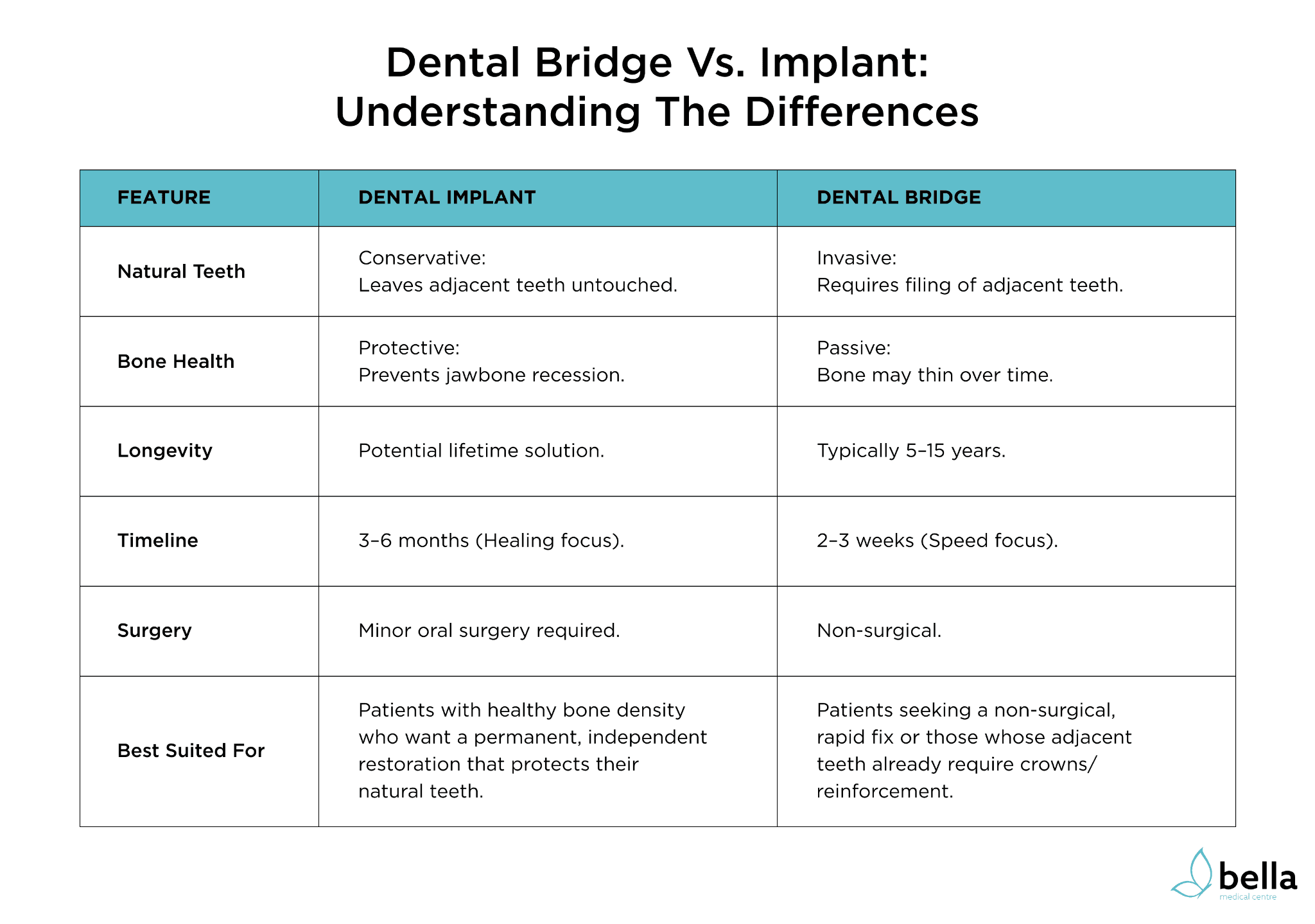
When evaluating a dental bridge vs. implant, several clinical factors must be considered to ensure the longevity of the restoration and the health of the surrounding tissues.
1. Preservation of the Jawbone and Facial Structure
The most significant advantage of an implant is its ability to maintain bone volume. When a tooth root is absent, the jawbone no longer receives the necessary stimulation from chewing forces, leading to a biological process called resorption.
Implants: By mimicking the function of a natural root, the titanium post stimulates the bone, preventing recession and preserving the facial structure. This is particularly important for preventing the sunken appearance often associated with long-term tooth loss.
Bridges: Because a bridge does not penetrate the bone, the jawbone beneath the pontic may gradually thin over time. While the bridge restores the visible gap, it cannot prevent the underlying bone loss, which may eventually lead to a visible gap between the bridge and the gum.
2. Conservation of Natural Tooth Structure
One of the main goals of modern dentistry is to preserve as much natural tooth structure as possible, as healthy enamel is the best protection against decay.
Implants: This is a conservative approach. The procedure is localised to the gap, meaning the adjacent healthy teeth remain untouched and intact. This preserves the long-term structural integrity of the rest of the dental arch.
Bridges: To install a traditional bridge, the teeth on either side of the gap must be filed down and reshaped. This irreversible process involves removing healthy enamel, which can increase the risk of future sensitivity, pulpitis, or decay in those anchor teeth. If one of the anchor teeth fails, the entire bridge may need replacement.
3. Longevity, Durability, and Investment
While both options are durable, their longevity depends on their design and how easy they are to maintain.
Implants: Implants are engineered as a long-term, potentially permanent solution. With professional maintenance and diligent home care, the titanium post can last a lifetime. While the porcelain crown on top may require replacement after 15 to 20 years due to mechanical wear, the foundation remains secure.
Bridges: The average lifespan of a dental bridge is between 5 and 15 years. Because they are more difficult to clean and place additional mechanical stress on the supporting teeth, they are more likely to require replacement. Over a lifetime, the cost of replacing multiple bridges often exceeds the initial higher investment of a single implant.
4. The Procedural Timeline and Surgical Requirements
The timeline for completion is often a deciding factor for patients who want to restore function or appearance quickly.
Implants: This is a multi-stage process requiring patience. Following the surgical placement of the post, a healing period of three to six months is typically required to ensure osseointegration is successful. Only once the implant is fully fused to the bone can the final, permanent crown be fitted.
Bridges: A bridge offers a much faster turnaround. The entire process is usually completed in two appointments spanning roughly two to three weeks. This makes it an attractive option for those who wish to avoid surgery or need a fast solution for an upcoming event.

Material Choices and Aesthetic Outcomes
In the debate of dental bridge vs. implant, aesthetics play a vital role. Modern dental laboratories utilise advanced materials to ensure both restorations look indistinguishable from natural teeth.
Zirconia and Porcelain: Most crowns and bridges are now crafted from high-quality zirconia or E-max porcelain. These materials offer the translucency and light-reflecting properties of natural enamel.
Gingival Integration: An implant often provides a more natural aesthetic result at the gum line because the crown emerges from the gum exactly like a natural tooth. With a bridge, the pontic sits on top of the gum; if bone resorption occurs, a small shadow or gap may appear between the restoration and the gum line over time.
Clinical Suitability and Indications
A dental professional will assess several criteria before recommending a specific restoration as the ideal solution.
Indications for a Dental Implant:
The patient has sufficient bone density and volume to support the post.
The adjacent teeth are healthy and free of large restorations or decay, making it unnecessary to crown them.
The patient is in good systemic health, with no conditions that significantly impair bone healing, such as uncontrolled autoimmune disorders or heavy tobacco use.
Indications for a Dental Bridge:
The adjacent teeth already require crowns or have significant fillings, allowing the bridge to reinforce weakened teeth while replacing the missing tooth.
The patient has experienced significant bone loss in the jaw and wishes to avoid bone grafting or sinus lift surgeries.
There is a clinical or personal requirement for a non-surgical, faster aesthetic restoration.
Key Takeaways
The decision between a dental bridge and an implant depends on a balance of clinical requirements, anatomical health, and the patient's long-term expectations.
While an implant represents the most anatomically correct replacement for a missing tooth by protecting the jawbone and neighbouring teeth, a bridge remains a reliable, faster, and non-surgical alternative for those with specific health or budgetary considerations.
Consulting with a dental surgeon or hygienist for a comprehensive assessment, including digital imaging, is the necessary first step. Regardless of the choice, restoring the gap is vital for maintaining the integrity of the dental arch and ensuring continued oral function.