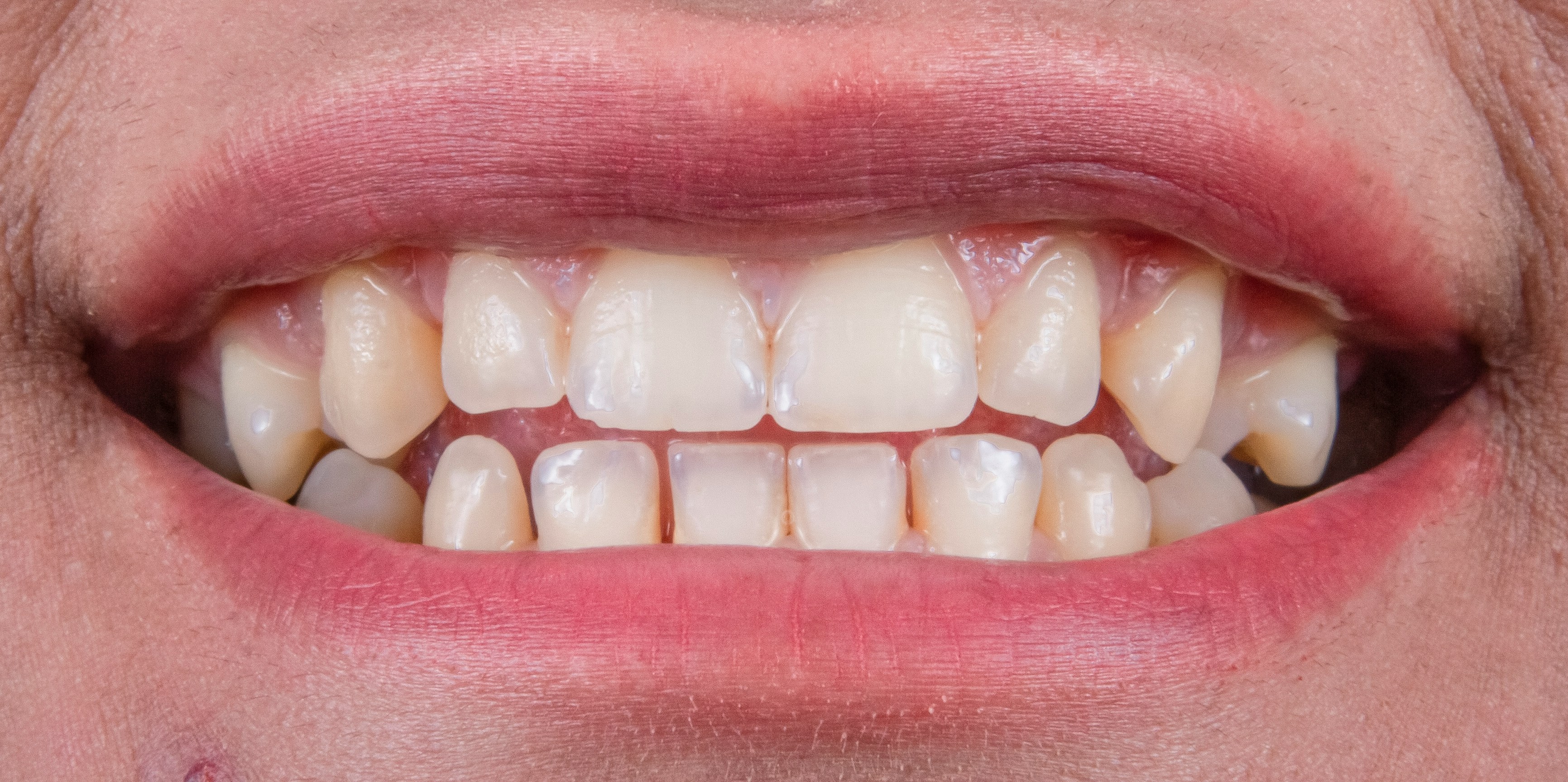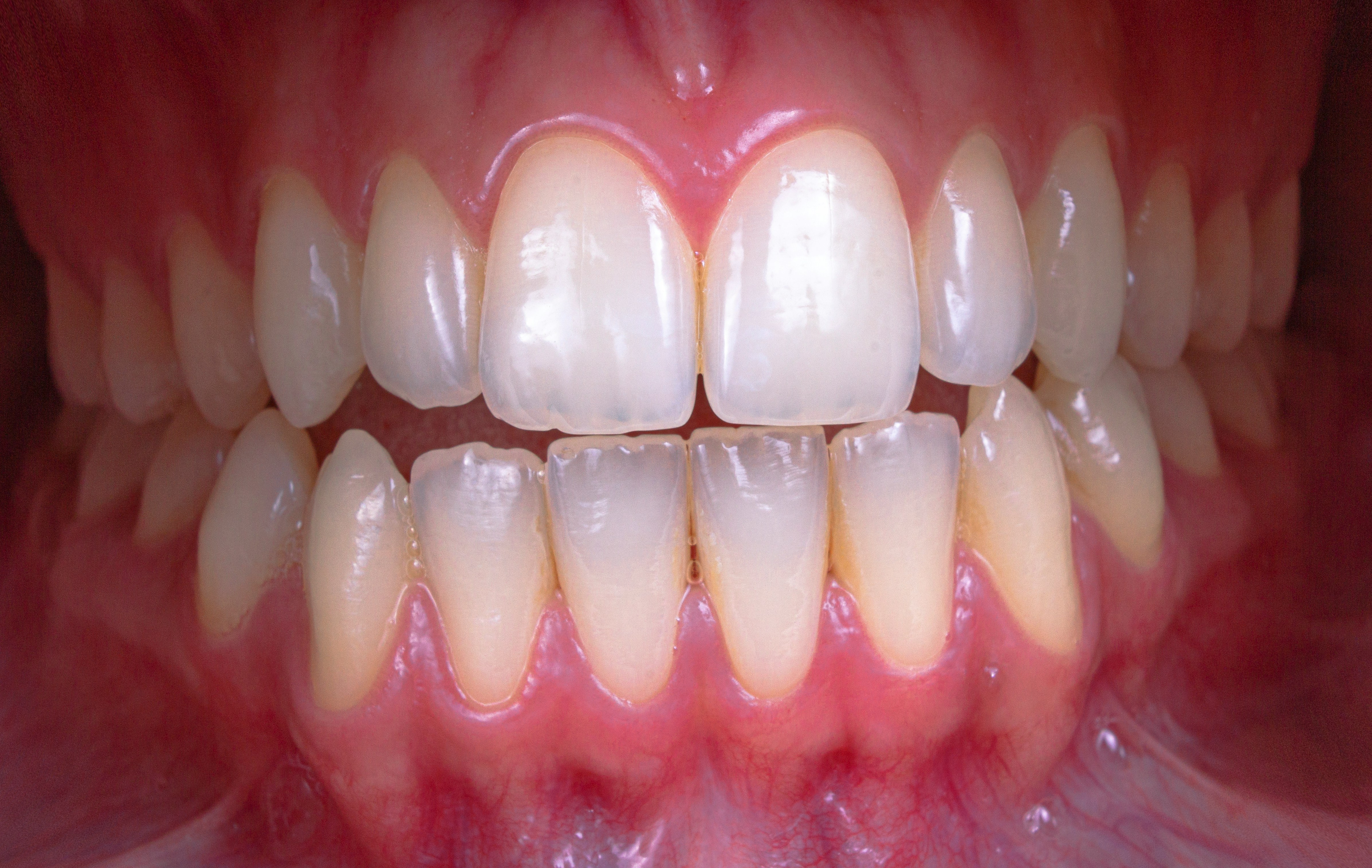
الضرر المستمر: يُعد تسوس الأسنان حالة تقدمية يمكن أن تتلف الأسنان بشكل دائم إذا تُركت دون علاج، مما يجعل الكشف المبكر والتدخل السريع أمرًا بالغ الأهمية.
مسببات متنوعة: ورغم أن السكر يعتبر السبب الأكثر شهرة، إلا أن مشاكل مثل جفاف الفم، أو ارتجاع الحمض، أو صعوبة تنظيف الأسنان بسبب تراصفها، كلها عوامل يمكن أن تؤدي إلى تسوس الأسنان.
الرعاية الوقائية: أفضل طريقة للحفاظ على ابتسامة صحية هي الجمع بين التنظيف اليومي الشامل والفحوصات الدورية عند طبيب الأسنان، لاكتشاف المشاكل الصغيرة قبل أن تتطلب إصلاحات معقدة.
يُعد تسوس الأسنان واحدًا من أكثر المشاكل الصحية شيوعًا التي يواجهها الناس اليوم. فهو عملية بطيئة ومستمرة، يحدث فيها تآكل الطبقة الخارجية الصلبة من السن بفعل الحمض. وبالتالي، فإن فهم كيفية حدوث ذلك وكيفية إدارته هو السبيل الأبسط للحفاظ على صحة أسنانك على المدى الطويل.
ما هي أسباب تسوس الأسنان؟
تبدأ العملية بالبلاك، وهو غشاء رقيق ولزج من البكتيريا يتشكل باستمرار على أسنانك. فعندما تتناول أطعمة سكرية أو نشوية، تستخدم البكتيريا الموجودة في هذا البلاك هذه السكريات لإنتاج حمض. ومع مرور الوقت، يقوم هذا الحمض بتآكل مينا الأسنان، وهي الطبقة الصلبة الواقية التي تغطي السن.
وفي حين يُعد السكر أحد الأسباب الأكثر شهرة لتسوس الأسنان، إلا أن هناك عدة عوامل أخرى يمكن أن تسهم في حدوثه، ومنها:
تدفق اللعاب
يعمل اللعاب كغسول طبيعي للفم، فهو يعادل الأحماض ويساعد في الحفاظ على قوة الأسنان. وإذا كنت تعاني من جفاف الفم، فإن أسنانك تفقد هذه الحماية الطبيعية، مما يجعل تسوس الأسنان أكثر احتمالًا بشكل كبير.
الحموضة المعوية
إذا كنت تعاني من حرقة المعدة أو الارتجاع الحمضي بانتظام، فقد يدخل حمض المعدة إلى فمك ويؤدي إلى تآكل مينا الأسنان بسرعة نسبية. وغالبًا ما يكون هذا سببًا غير ملحوظ لتآكل سطح الأسنان.

المناطق التي يصعب الوصول إليها
إذا كانت أسنانك مزدحمة، أو ملتوية، أو متداخلة، فإن فرشاة أسنانك تجد صعوبة بالغة في الوصول إلى كل زاوية. ونتيجة لذلك، يتراكم البلاك في هذه الزوايا المخفية، مما يؤدي إلى تسوس الأسنان في مناطق قد لا تراها بسهولة.
العادات الغذائية
لا يتعلق الأمر فقط بكمية السكر التي تتناولها، بل بتكرار تناوله. فالمضغ المستمر طوال اليوم لا يمنح أسنانك الوقت الكافي للتعافي من هجمات الحمض، مما يجعل عملية تسوس الأسنان أسرع بكثير.
أعمال الأسنان السابقة
يمكن للحشوات والتيجان القديمة أو التالفة أن تطور فجوات صغيرة تحبس البكتيريا واللويحات السنية، مما يزيد من خطر تسوس الأسنان. وبمرور الوقت، قد يؤدي ذلك أيضًا إلى تلون أو اسوداد حول الترميم، مما يؤثر على كل من صحة السن ومظهره الجمالي.
خيارات علاج تسوس الأسنان الموصى بها
نظرًا لأن مينا الأسنان لا يمكنها التجدد بمجرد فقدانها، فمن المهم جدًا معالجة المشاكل فور ظهورها. ويعتمد نوع علاج تسوس الأسنان الذي يوصي به طبيبك على مدى عمق المشكلة:
التدخل المبكر
إذا اكتشف طبيب الأسنان وجود بقعة لينة في المينا في مرحلة مبكرة، فغالبًا ما يمكنه إيقاف تسوس الأسنان في مساره. وقد يتضمن ذلك علاجًا خاصًا بالفلورايد، أو طلاءً واقيًا يسمى المادة المانعة للتسرب (سيلانت)، والتي تعمل كحاجز يبعد البكتيريا عن الأخاديد العميقة في أسنانك.
الحشوات العلاجية
إذا كان تسوس الأسنان قد أحدث ثقبًا صغيرًا في سنك، فسيقوم الطبيب بإزالة الجزء التالف وملء الفراغ بمادة آمنة وطبيعية المظهر. وهذا يمنع انتشار التسوس ويحمي الطبقات الداخلية للسن.
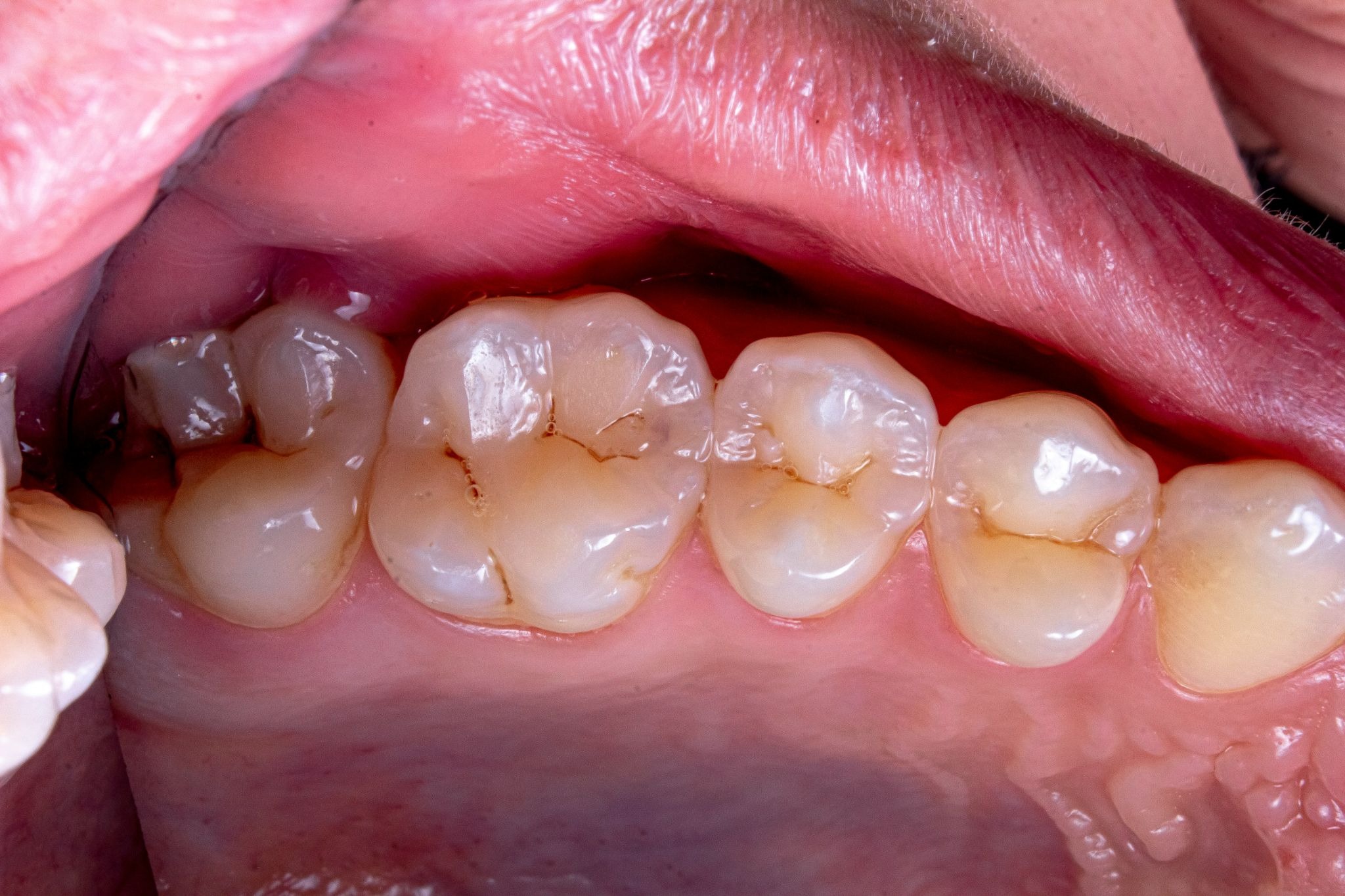
الحشوات المصبوبة (الداخلية والفوقية)
إذا كانت منطقة التسوس كبيرة جدًا بحيث لا تصلح للحشو العادي، ولكنها ليست كبيرة بما يكفي لتتطلب تاجًا كاملًا (تيجان)، فقد يستخدم طبيب الأسنان حشوة مطعمة أو موضعية مصنوعة خصيصًا في المختبر، ثم يتم تثبيتها على السن لمنحه قوة إضافية.
الرعاية المتقدمة
إذا تم تجاهل تسوس الأسنان لفترة طويلة، فقد يصل إلى مركز السن حيث توجد الأعصاب والأوعية الدموية. وهذا عادة ما يسبب ألمًا ويتطلب علاج قناة الجذر، حيث يتم تنظيف المركز المصاب، ويُغطى السن بتاج لحمايته.
كيفية الوقاية من تسوس الأسنان
الوقاية دائمًا أسهل من زيارة طبيب الأسنان لإجراء إصلاح. وباتباع بعض العادات البسيطة، يمكنك الحفاظ على أسنانك خالية من التسوس:
التنظيف بين الأسنان
التنظيف بالفرشاة مهم، لكنه لا ينظف سوى جزء من سطح السن. لذا، يُعد استخدام الخيط أو الفرش بين الأسنان من أكثر الطرق فعالية لتنظيف المناطق بين الأسنان حيث يتطور تسوس الأسنان بشكل شائع. فإذا لم تنظف ما بين أسنانك، فإنك تترك حوالي 40% من سطح السن دون تنظيف.
استخدام الفلورايد
تأكد من استخدام معجون أسنان يحتوي على الفلورايد، فهو يعمل كدرع واقٍ لمينا الأسنان، مما يجعل من الصعب على الحمض تآكله. ولا تشطف فمك فورًا بعد التنظيف، فترك معجون الأسنان على أسنانك لفترة قصيرة يوفر حماية إضافية.

مراقبة الوجبات الخفيفة
حاول أن تقتصر طعامك على الوجبات الرئيسية. وإذا تناولت وجبة خفيفة، فإن شطف فمك بالماء بعدها يمكن أن يساعد في إزالة بقايا الطعام والسكر، مما يعادل البيئة الحمضية قبل أن تتمكن البكتيريا من التكاثر.
الالتزام بمواعيد الفحص الدورية
معظم مشاكل الأسنان لا تسبب الألم إلا بعد أن تتقدم كثيرًا. ولهذا السبب، فإن زيارة طبيب الأسنان لإجراء فحص دوري مرتين في السنة تسمح له باكتشاف العلامات المبكرة لتسوس الأسنان، مما يحافظ على بساطة العلاج وتكلفته المنخفضة.
الحفاظ على الترطيب
شرب كمية كافية من الماء، وخاصة ماء الصنبور المحتوي على الفلورايد، يساعد في الحفاظ على نظافة الفم وتشجيع تدفق اللعاب الصحي، والذي يمثل أفضل دفاع طبيعي ضد تراكم البلاك.
إن العناية بأسنانك تتعلق بالاستمرارية وليس بالكمال. من خلال الاستمرار في تنظيف أسنانك يوميًا وزيارة طبيب الأسنان لإجراء فحوصات منتظمة، يمكنك ضمان بقاء أسنانك قوية وصحية لسنوات قادمة.