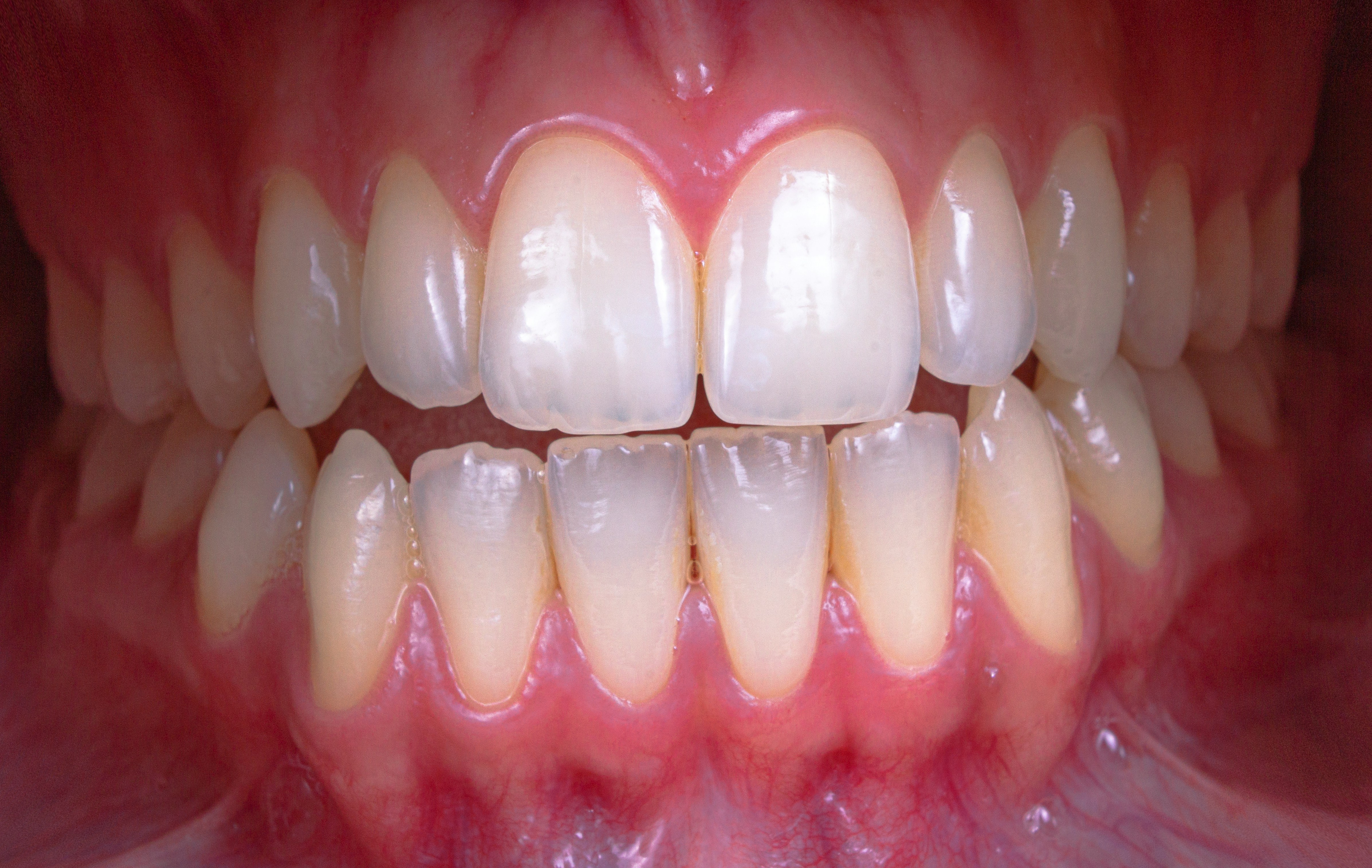
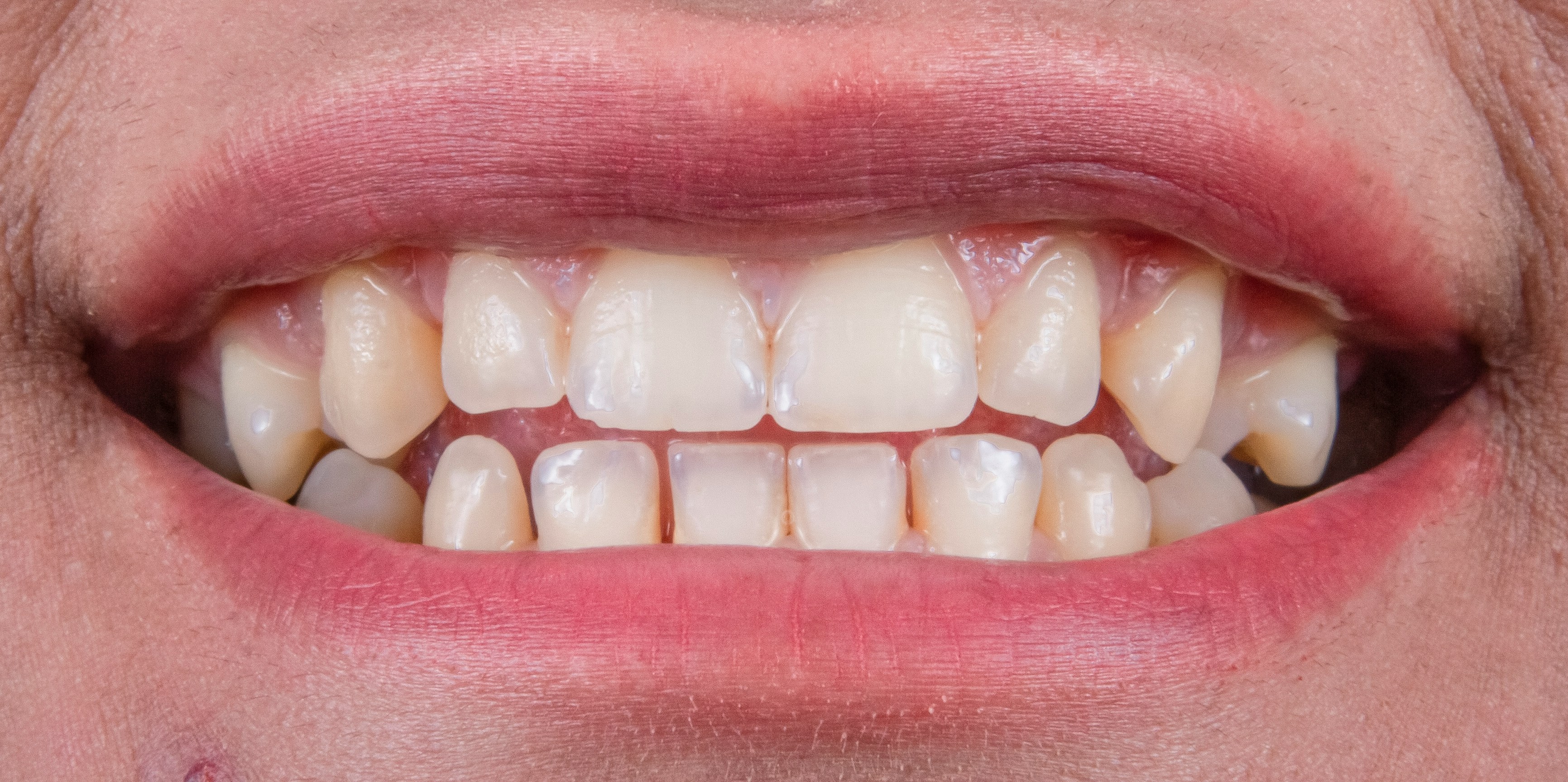
الصلابة الهيكلية: يُعتبر التقويم المعدني المعيار الذهبي في المتانة، حيث يوفر القوة الميكانيكية اللازمة لتصحيح مشاكل العضة المعقدة، ويلائم أنماط الحياة النشطة.
التمويه الجمالي: توفر الأنظمة الخزفية مظهرًا أنيقًا ومنخفض البروز، مما يجعلها الخيار المفضل للمحترفين أو لمن يضعون الجانب الجمالي في مقدمة أولوياتهم.
الالتزام بالصيانة: يتطلب التقويم الخزفي عناية فائقة بنظافة الفم والعادات الغذائية، وذلك لمنع كسر الدعامات أو تغير لون الأربطة المطاطية.
يُعد اختيار علاج تقويم الأسنان المناسب قرارًا بالغ الأهمية. وبالنسبة للعديد من الأشخاص، يتلخص هذا الاختيار بين طريقتين أساسيتين: التقويم المعدني التقليدي والبدائل الخزفية الحديثة. لذا، فإن الفهم العميق للفروقات السريرية والجمالية والعملية بين هذين الخيارين يُعد خطوة لا غنى عنها قبل الشروع في رحلة الحصول على ابتسامة أكثر استقامة وصحة.
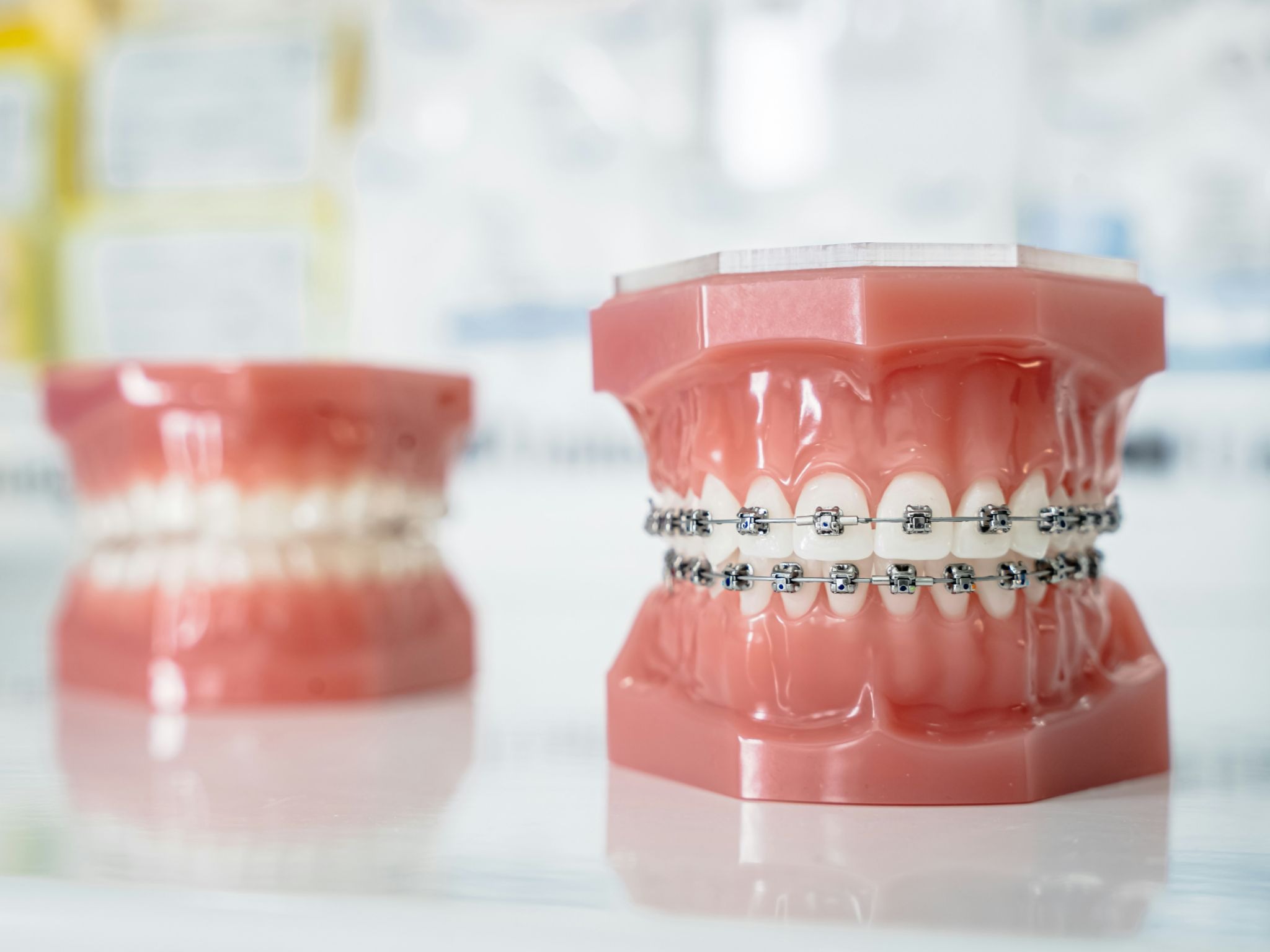
خصائص التقويم المعدني التقليدي
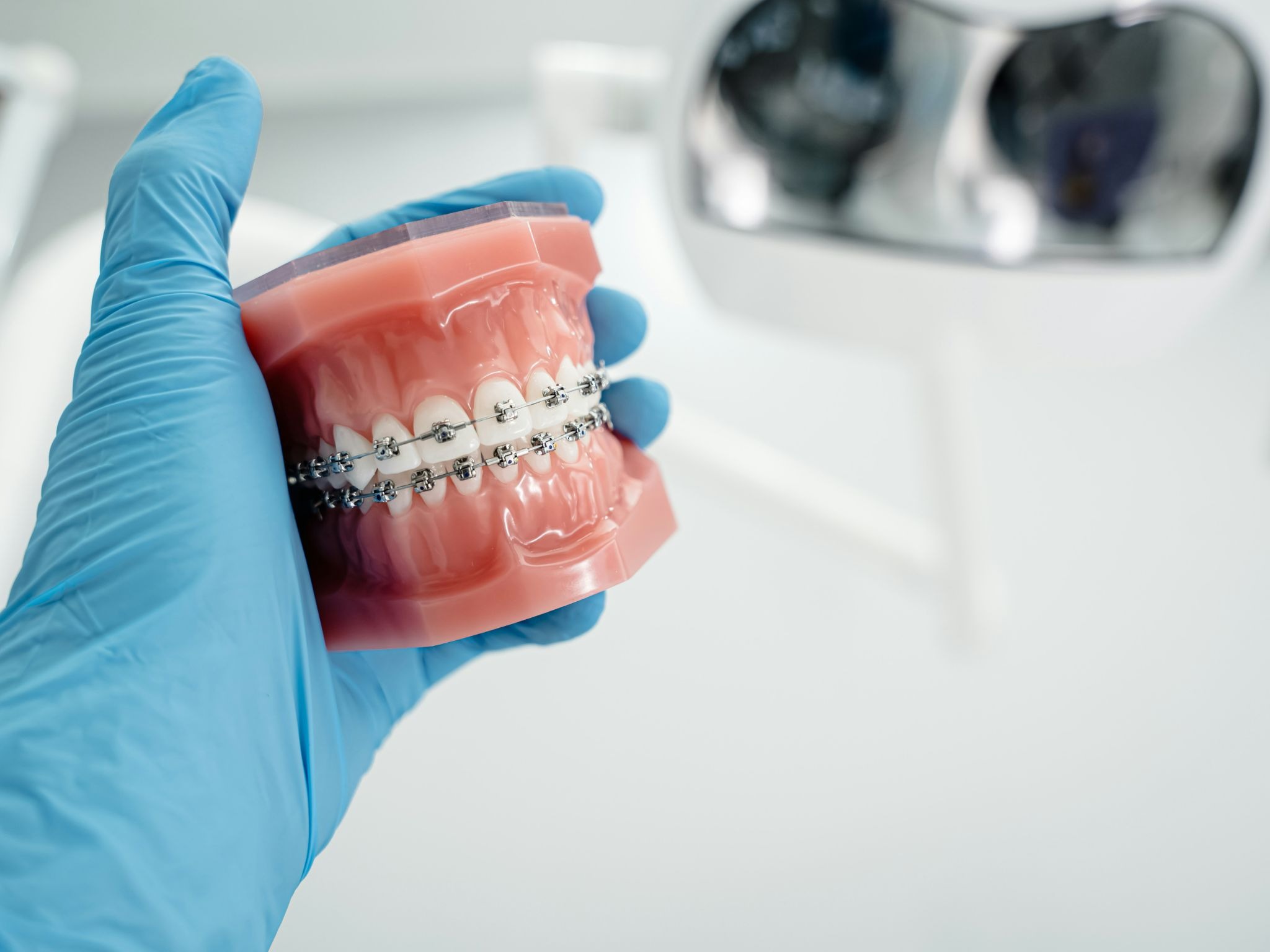
لا يزال التقويم المعدني التقليدي يمثل العلاج الأكثر شيوعًا في تقويم الأسنان عالميًا، وذلك بفضل موثوقيته العريقة ومتانته الاستثنائية التي تميزه عن غيره من الخيارات.
صلابة استثنائية: يُصنع هذا النوع من الفولاذ المقاوم للصدأ عالي الجودة، مما يجعله فعالًا للغاية في تصحيح حالات سوء الإطباق المعقدة، والازدحام الشديد، ومشاكل العضة العميقة.
احتكاك منخفض: يسمح السطح المعدني الأملس للسلك التقويمي بالانزلاق عبر الدعامات بأقل قدر من المقاومة، مما يسهم غالبًا في حركة أسنان أكثر قابلية للتنبؤ، وقد يؤدي إلى تقليل مدة العلاج الإجمالية بشكل طفيف.
متانة فائقة: نظرًا لمقاومة الفولاذ العالية للكسر، نادرًا ما تتعرض هذه التقويمات لأي فشل هيكلي، حتى تحت ضغط المضغ اليومي أو الصدمات الجسدية الطارئة.
يتمثل العيب الرئيسي للتقويم المعدني في ظهوره الواضح، حيث تكون الدعامات المعدنية أكثر بروزًا من الخيارات الأخرى. بالإضافة إلى ذلك، قد تسبب حواف المعدن بعض التهيج البسيط في الأنسجة الداخلية للفم خلال الأسابيع الأولى من العلاج. ولكن، عند المقارنة بين التقويم المعدني والخزفي، يظل المعدن هو الخيار الأكثر فعالية من حيث التكلفة والموثوقية من الناحية السريرية.
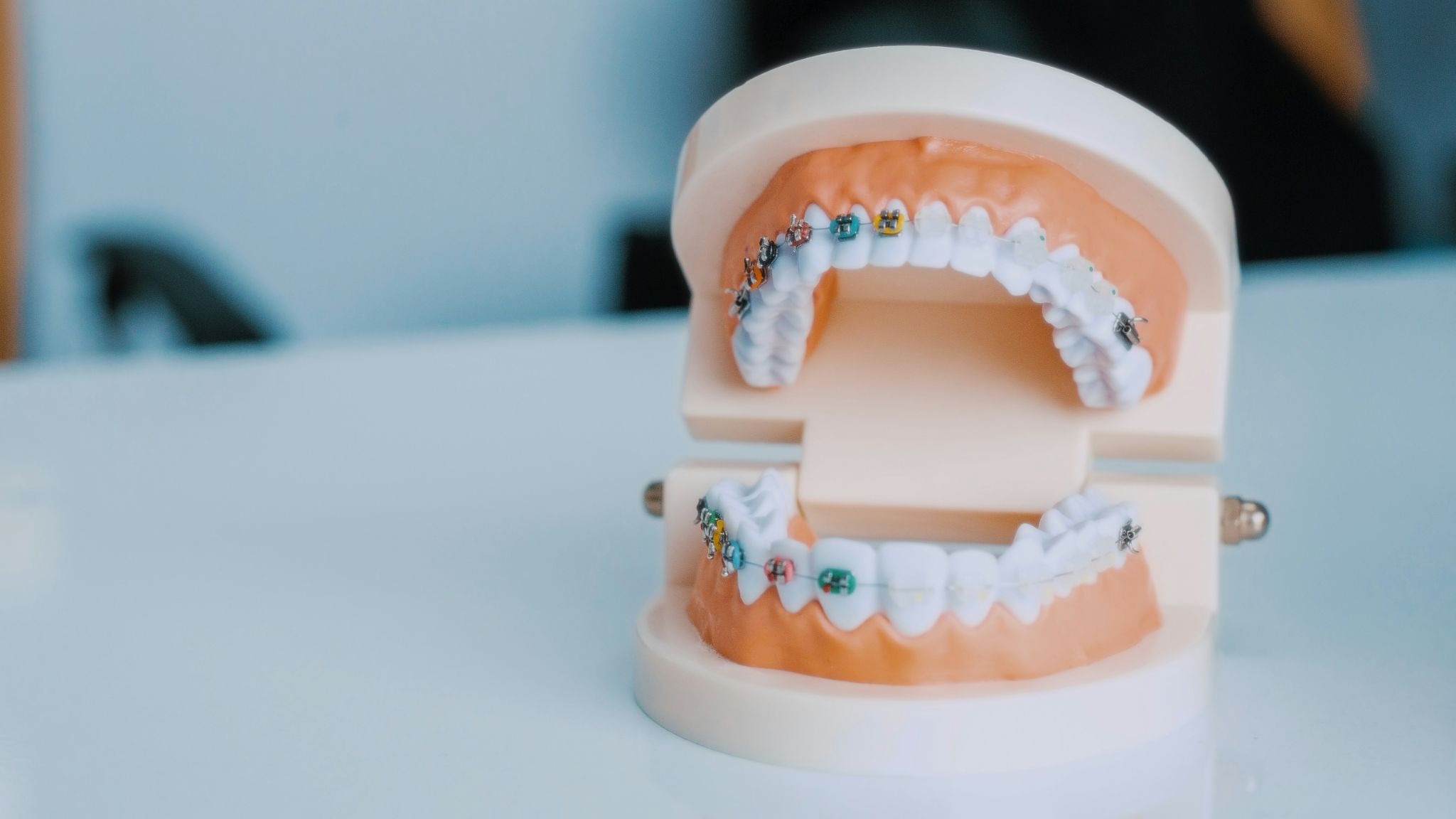
خصائص التقويم الخزفي
يُعد التقويم الخزفي تقدمًا نوعيًا في مجال تقويم الأسنان التجميلي، حيث يجمع بين آلية العمل الفعالة للأنظمة المعدنية مع تحسين بصري كبير يلبي احتياجات من يبحثون عن حل أقل وضوحًا.
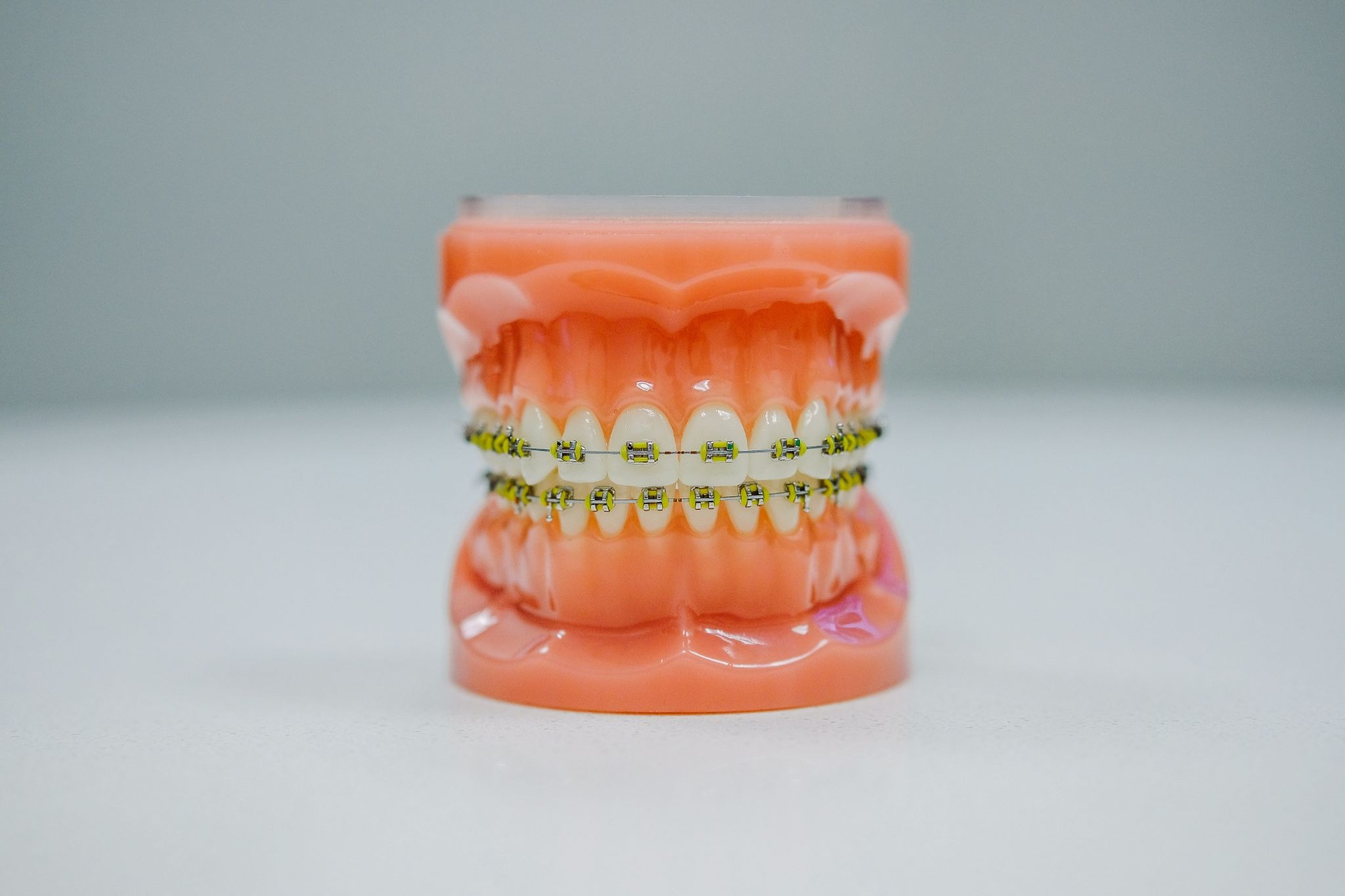
مظهر غير واضح: تُصنع الدعامات الخزفية من مادة شفافة أو بلون الأسنان، مما يسمح لها بالاندماج بشكل طبيعي مع مينا الأسنان المحيطة.
ثقة متزايدة: إذا كنت تعمل في مجال يتطلب التواصل المباشر مع العملاء، فإن المظهر غير الواضح للتقويم الخزفي يمنحك ثقة أكبر أثناء فترة العلاج.
على الرغم من هذه المزايا الجمالية، ينبغي أخذ بعض الاعتبارات العملية في الحسبان. فالسيراميك أكثر هشاشة من الفولاذ، مما يجعل الدعامات عرضة للكسر في حال التعرض لصدمات مفاجئة أو تناول أطعمة صلبة. كما أن الأربطة المطاطية المستخدمة مع التقويم الخزفي قد تتعرض للتصبغ نتيجة تناول القهوة، أو الشاي، أو النبيذ الأحمر، أو الأطعمة والمشروبات شديدة التلون. لذلك، عند المقارنة بين التقويم المعدني والخزفي، يُعد الخزفي الخيار الأمثل لمن يضع التمويه والجمالية فوق المتانة القصوى التي يوفرها المعدن.
مقارنة شاملة بين العوامل المؤثرة
لتحديد النظام الأنسب لأهدافك الصحية واحتياجات نمط حياتك، يجب النظر في العوامل التقنية التالية:
المتانة ومقاومة الصدمات
يُعتبر التقويم المعدني الرائد بلا منازع في مجال الصلابة الهيكلية، مما يجعله الخيار المفضل للحالات المعقدة التي تتطلب تعديلات هيكلية كبيرة. وفي المقابل يتطلب التقويم الخزفي انضباطًا غذائيًا أكثر صرامة، حيث يجب تجنب الأطعمة اللزجة أو الصلبة تمامًا للوقاية من كسر الدعامات. وإذا كنت تمارس رياضات تتطلب احتكاكًا جسديًا أو تعيش نمط حياة نشطًا، فإن قوة التقويم المعدني غالبًا ما تكون الخيار الأكثر أمانًا وفعالية.
نظافة الفم واحتمالية التصبغ
تُعد نظافة الفم ركيزة أساسية طوال فترة العلاج التقويمي، غير أن الأنظمة الخزفية تستلزم عناية فائقة. ولأن التقويم الخزفي مصمم ليمتزج مع الأسنان الطبيعية، فإن الحفاظ على نظافة فم ممتازة أمر بالغ الأهمية للحفاظ على مظهره الجمالي. علاوة على ذلك، تحتاج الأربطة المطاطية إلى تغيير متكرر لمنع الاصفرار والتصبغ. أما التقويم المعدني، فهو أقل حساسية بكثير للتصبغات المرتبطة بالطعام، مما يجعله خيارًا أقل صيانة لمن يفضلون الراحة في العناية اليومية.
كفاءة العلاج ومدته
على الرغم من أن البيانات التاريخية أشارت إلى بطء التقويم الخزفي بسبب الاحتكاك الأعلى، إلا أن التكنولوجيا الحديثة سدت هذه الفجوة إلى حد كبير. ومع ذلك، في الحالات شديدة التعقيد، قد تمنح السيطرة الإضافية على عزم الدوران التي توفرها الدعامات المعدنية نتائج أسرع. لذا، من المهم مناقشة هذه التوقعات العلاجية خلال استشارتك الأولية لفهم كيفية أداء كل خيار بناءً على درجة تعقيد حالتك الخاصة.
الاستثمار المالي والتغطية التأمينية
تتسم المواد الخزفية عالية الجودة بتكلفة إنتاج أعلى، مما ينعكس على التكلفة الإجمالية للعلاج. بينما يوفر التقويم المعدني عادةً سعرًا أكثر سهولة، وقد تشمله خطط التأمين الصحي حسب مقدم الخدمة وبوليصة التأمين.
الالتزام بخطة العلاج الخاصة بك
بغض النظر عن النظام الذي تختاره، يعتمد نجاح العلاج على التزامك الدقيق بتوجيهات أخصائي تقويم الأسنان، بما في ذلك حضور جميع مواعيد التعديل وارتداء الأجهزة المساعدة (كالمطاط) وفقًا للتعليمات.
بالنسبة للتقويم الخزفي: يجب عليك تنظيف أسنانك بعد كل وجبة للحفاظ على الدعامات نظيفة وخالية من التصبغات. كما ينبغي مراقبة خياراتك الغذائية لتجنب تلطيخ الأربطة المطاطية.
بالنسبة للتقويم المعدني: تنطبق نفس التوصيات الغذائية، لكن عملية التنظيف تكون عمومًا أكثر سهولة، وتتمتع الدعامات بمقاومة أكبر للتلف العرضي.
مقارنة بين التقويم المعدني و التقويم الخزفي
وجه المقارنة | التقويم المعدني | التقويم الخزفي |
المظهر الجمالي | بارز وواضح للعيان | غير لافت / بلون الأسنان الطبيعي |
المتانة والتحمل | عالية جدًا ومقاومة للكسر | أكثر رقة / عرضة للشرخ أو الكسر |
العناية والصيانة | بسيطة (أقل عرضة للتصبغ) | دقيقة (تتطلب التزامًا صارمًا بنظافة الفم) |
قوة الاحتكاك | أقل (تتيح حركة أسرع للأسنان) | أعلى (قد تؤثر على سرعة فترة العلاج) |
التكلفة | اقتصادية ومناسبة | أعلى تكلفة في المعتاد |
الخيار الأمثل لـ | الحالات المعقدة ونمط الحياة النشط | الباحثين عن مظهر طبيعي وغير ملحوظ |
اتخاذ القرار النهائي
يُعد الاختيار بين هذين النظامين قرارًا يعتمد على تشريح أسنانك الفريد واحتياجاتك الخاصة. وسيقوم أخصائي تقويم الأسنان بإجراء فحص شامل، قد يشمل التصوير الرقمي، لتقييم درجة سوء التراصف بدقة.
سوف يشرح لك أخصائي التقويم ما إذا كان علاجك سيستفيد بشكل أكبر من قوة التقويم المعدني، أو ما إذا كان التقويم الخزفي سيكون فعالًا بنفس القدر مع مظهر أكثر جمالية وتمويهًا. ولا تتردد في طرح أي أسئلة حول مدة العلاج المتوقعة، ومتطلبات الصيانة، والتأثير طويل المدى على صحة فمك.
في النهاية، ورغم أن الفائدة الجمالية للتقويم الخزفي قد تكون مغرية، إلا أنها لا ينبغي أبدًا أن تكون على حساب تحقيق نتائج علاجية ضرورية. فهدفك الأساسي هو الحصول على إطباق صحي ووظيفي وابتسامة مستقيمة تعزز نظافة فمك على المدى الطويل. من خلال دراسة عوامل المتانة والتكلفة والصيانة المذكورة أعلاه بعناية، يمكنك الوصول إلى استشارتك بثقة تامة، واتخاذ قرار يتوافق مع أهدافك الصحية ونمط حياتك الشخصي.