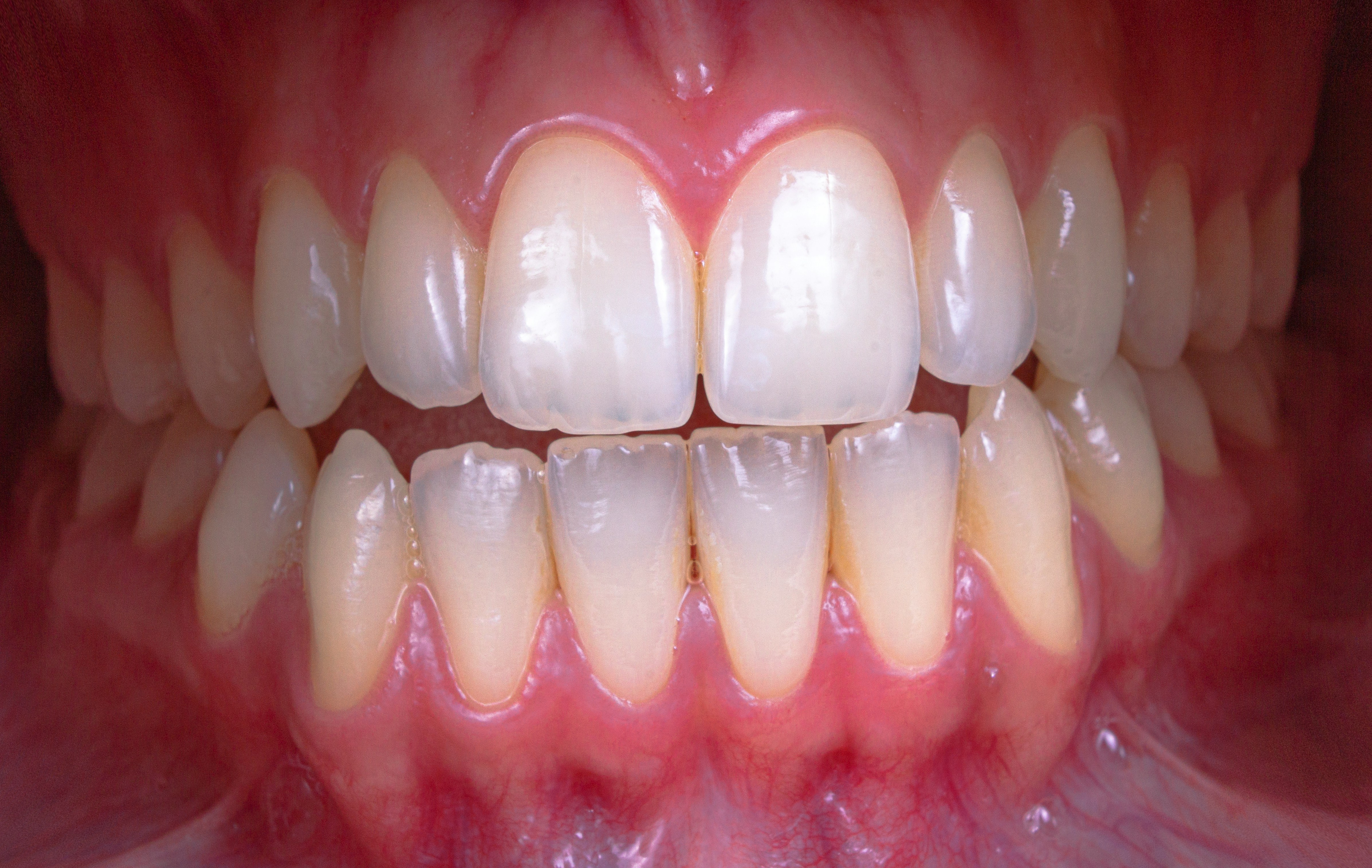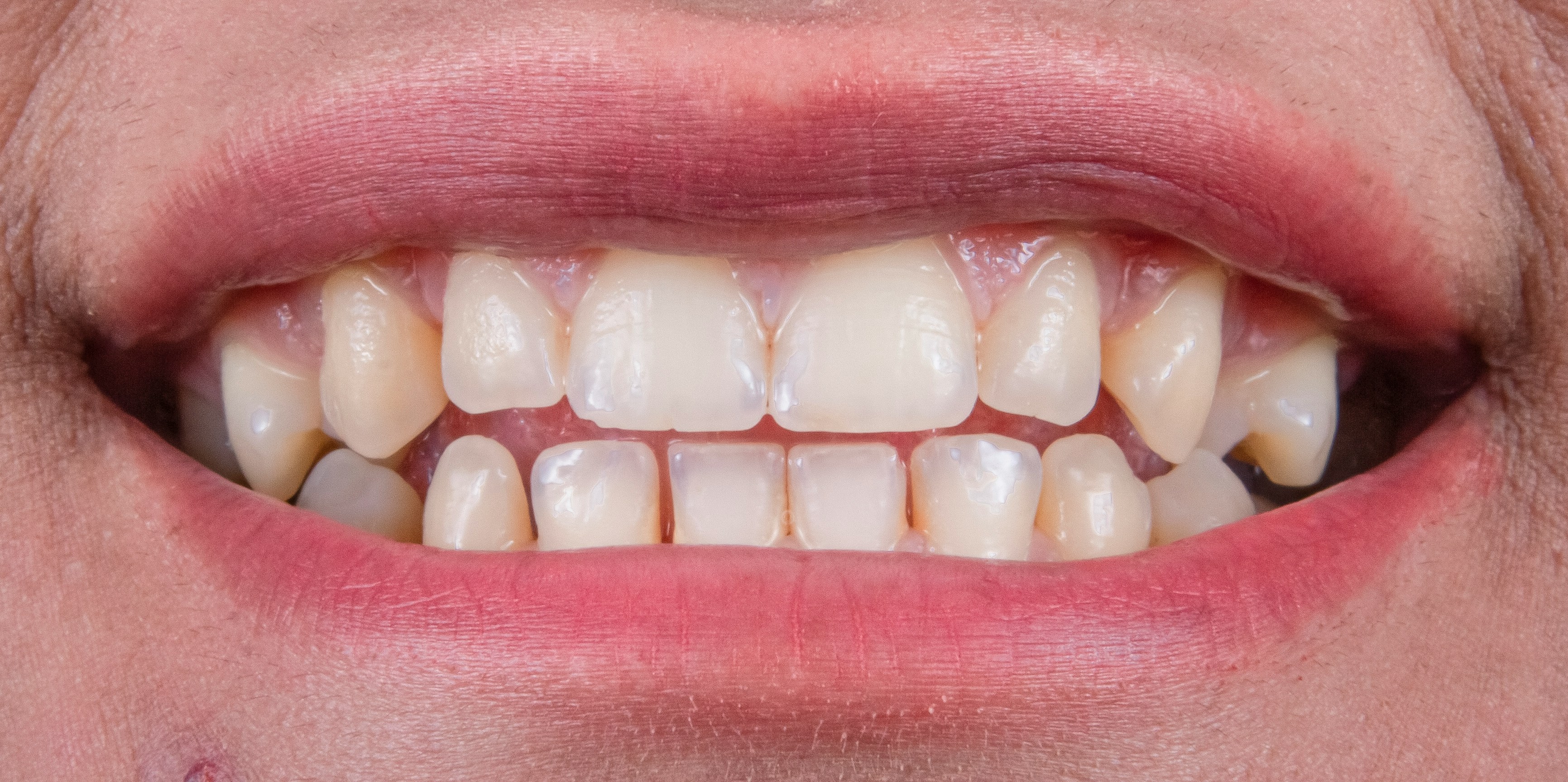
لا يقتصر الحفاظ على ابتسامة صحية على دقيقتين فقط من التنظيف بالفرشاة. فرغم أن فرشاة أسنانك تؤدي دورًا ممتازًا في تنظيف الأسطح الأمامية والخلفية والمضغية، إلا أنها غير قادرة فيزيائيًا على الوصول إلى المسافات الضيقة بين الأسنان. وهنا تبرز أهمية التنظيف بين الأسنان، والذي يأتي خيط الأسنان في مقدمته.
بصفتنا متخصصين في صحة الفم، نرى غالبًا عواقب إهمال تلك المسافات، والتي تتراوح بين التسوس الذي يمكن الوقاية منه وأمراض اللثة المتقدمة. يقدم لك هذا الدليل نظرة احترافية حول آلية عمل خيط الأسنان، وأهميته البيولوجية، والتقنيات الصحيحة التي تضمن لك فمًا نظيفًا حقًا.
لماذا يعد خيط الأسنان ضروريًا
لفهم فوائد خيط الأسنان، يجب أن تعرف طبيعة البلاك. البلاك عبارة عن غشاء حيوي، أي طبقة لزجة غير مرئية من البكتيريا تتشكل باستمرار على الأسنان. تتغذى هذه البكتيريا على السكريات والنشويات التي تتناولها، وتنتج أحماضًا تؤدي إلى تآكل مينا الأسنان ببطء. وإذا سُمح للبلاك بالبقاء بين الأسنان، فإنه يتحول بمرور الوقت إلى جير صلب لا يمكن لأي فرشاة إزالته، بل يحتاج إلى تنظيف احترافي.
وهنا يأتي دور خيط الأسنان اليومي، فهو يعمل على تفكيك وإزالة هذا الغشاء الحيوي من المناطق التي لا تصل إليها الفرشاة، مما يمنع بشكل فعال ظهور أمراض اللثة والتسوس بين الأسنان.
كيف تستخدم خيط الأسنان بشكل صحيح؟
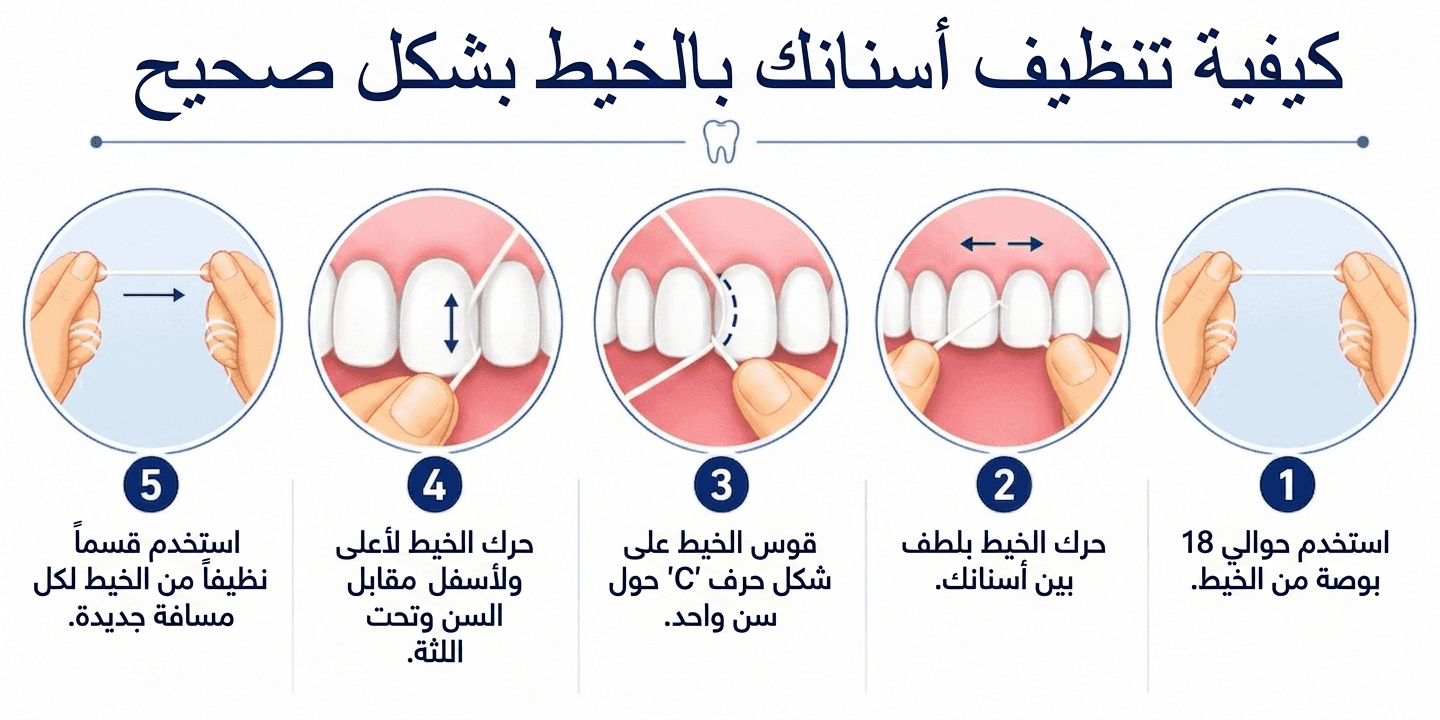
تتوقف فعالية خيط الأسنان على أسلوبك في استخدامه، وليس على القوة التي تبذلها. كثير من المرضى يخطئون عندما يضغطون الخيط بقوة بين الأسنان، مما قد يؤذي الأنسجة اللثوية الرقيقة. للتنظيف الفعال دون ضرر، اتبع هذه الخطوات السريرية:
الطول والإعداد
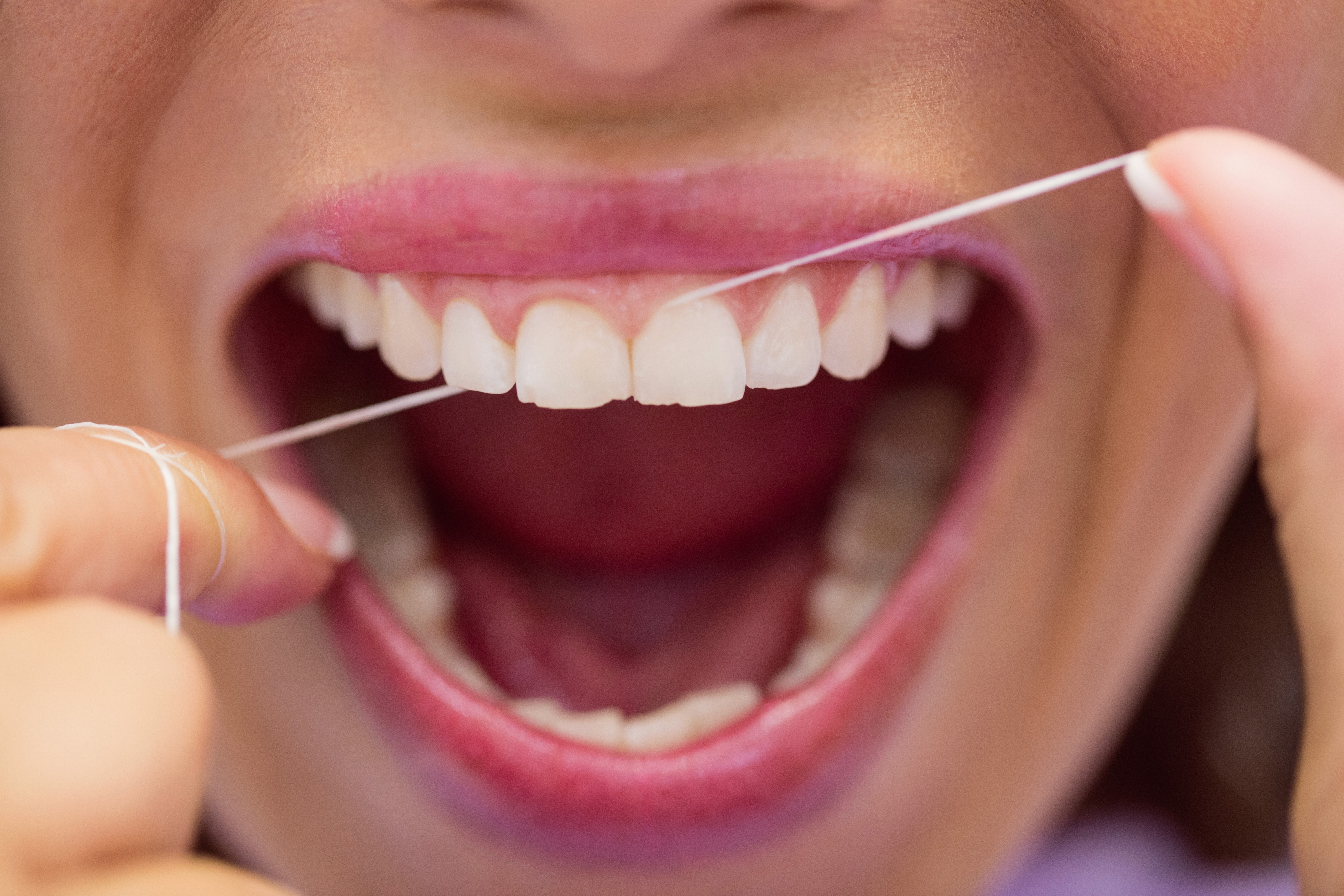
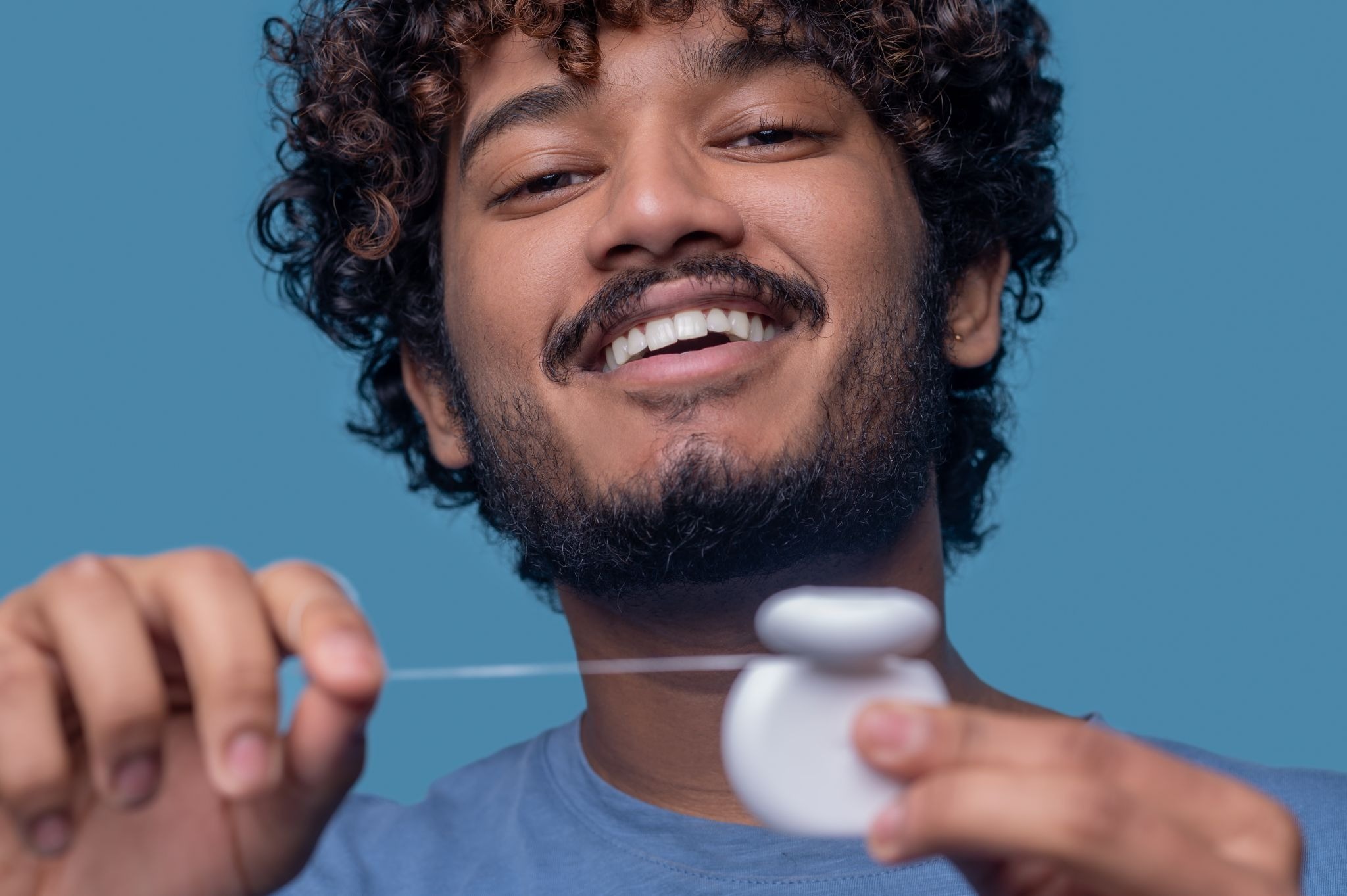
خذ قطعة من خيط الأسنان بطول 45 سم تقريبًا. لف معظم الخيط حول إصبعي الوسطى، واترك جزءًا صغيرًا في المنتصف للعمل به. هذا يتيح لسبابتك وإبهامك حرية توجيه الخيط بدقة.
إدخال الخيط
وجه خيط الأسنان برفق بين أسنانك بحركة نشر ذهابًا وإيابًا. لا تستخدم القوة أبدًا. إذا كانت المسافة ضيقة، فاستخدم حركة متعرجة لطيفة لمساعدته على الانزلاق.
تقنية الحرف C
هذه هي الخطوة الأهم. بمجرد وصول خيط الأسنان إلى خط اللثة، قم بتقويسه على شكل حرف C حول جانب السن. تأكد من أن الخيط يغوص قليلًا تحت خط اللثة للوصول إلى المنطقة التي تختبئ فيها البكتيريا.
الحركة
أمسك الخيط بإحكام على سطح السن، وحركه لأعلى ولأسفل عدة مرات. هذا الاحتكاك هو ما يكسر الغشاء الحيوي. بعد تنظيف أحد جانبي الفراغ، لف الخيط حول السن المجاور وكرر العملية.
أجزاء جديدة من الخيط
كلما انتقلت من فراق إلى آخر، استخدم جزءًا جديدًا ونظيفًا من خيط الأسنان. هذا يضمن أنك تزيل البكتيريا من فمك، بدلًا من مجرد نقلها من مكان إلى آخر.

متى تستخدم خيط الأسنان؟
سؤال شائع: هل أستخدم خيط الأسنان قبل أو بعد الفرشاة؟ الأهم هو إتمام المهمة بدقة مرة كل 24 ساعة. لكن استخدام الخيط قبل التنظيف بالفرشاة قد يكون أفضل، لأنه يسمح للفلورايد بالوصول إلى الأسطح الجانبية بسهولة أكبر.
أما التوقيت (صباحًا أم مساءً) فهو مسألة تفضيل شخصي. كثير من الخبراء يفضلون استخدام خيط الأسنان ليلًا، لأن إفراز اللعاب يقل أثناء النوم، مما يعني أن دفاعات الفم الطبيعية تكون أقل نشاطًا. بالتالي، إزالة بقايا الطعام والبلاك قبل النوم يحرم البكتيريا من وقودها أثناء الليل.
اعتبارات خاصة: استخدام خيط الأسنان مع التقويم
وجود التقويم يجعل استخدام خيط الأسنان أكثر صعوبة بسبب الأسلاك والدعامات، لكن الخطر على صحة اللثة يزداد خلال هذه الفترة، مما يجعل التنظيف بين الأسنان أكثر أهمية.
لحسن الحظ، يمكن استخدام أداة تمرير خيط الأسنان التي تشبه الإبرة، وتسمح بتمرير الخيط خلف سلك التقويم. بمجرد أن يصبح الخيط خلف السلك، يمكنك تنفيذ تقنية الحرف C المعتادة.
نزيف وحساسية اللثة
يعتقد البعض خطأً أن نزيف اللثة يعني التوقف عن استخدام خيط الأسنان. في الواقع، النزيف غالبًا ما يكون علامة على التهاب موجود مسبقًا. إذا كنت لا تستخدم الخيط بانتظام، فقد تنزف لثتك قليلًا عند البدء. لكن في غضون 7 إلى 10 أيام من الاستخدام اليومي المستمر، سيختفي الالتهاب ويتوقف النزيف مع تحسن صحة اللثة.
إذا استمر النزيف لأكثر من أسبوعين، فاستشر طبيب أسنانك.
اختيار أداة التنظيف المناسبة بين الأسنان
أفضل نوع من خيط الأسنان هو ذلك الذي ستستخدمه بالفعل. لكن هناك أنواعًا مختلفة تناسب احتياجات معينة:
الخيط المشمع: يسهل انزلاقه بين الأسنان الضيقة أو حول الحشوات الخشنة.
الخيط غير المشمع: يعطي شعورًا بالنظافة القوية، لكنه قد يتمزق بسهولة.
شريط الأسنان: أوسع وأقل حدة، مناسب لمن لديهم فراغات أوسع بين الأسنان.
أعواد الخيط: مريحة للاستخدام أثناء التنقل، لكنها لا تحقق تقنية الحرف C المثالية.
أهم النقاط
إن استخدام خيط الأسنان بانتظام هو ركيزة أساسية للرعاية الصحية الوقائية. بتخصيص بضع دقائق فقط يوميًا لروتين سليم، يمكنك تقليل خطر الالتهابات وفقدان الأسنان والعلاجات المكلفة بشكل كبير.
تذكر أن الهدف ليس فقط إزالة الطعام، بل تفكيك البكتيريا المجهرية التي لا تراها. والاتساق هو مفتاح الصحة الفموية مدى الحياة.
طبيب الأسنان يمكنه تزويدك بالأدوات والإرشادات، لكن العناية اليومية بابتسامتك هي مسؤوليتك أنت. إذا وجدت صعوبة في التعامل مع خيط الأسنان التقليدي، فتحدث إلى طبيب أسنانك حول بدائل أخرى تناسب مهاراتك اليدوية وتشريح فمك.