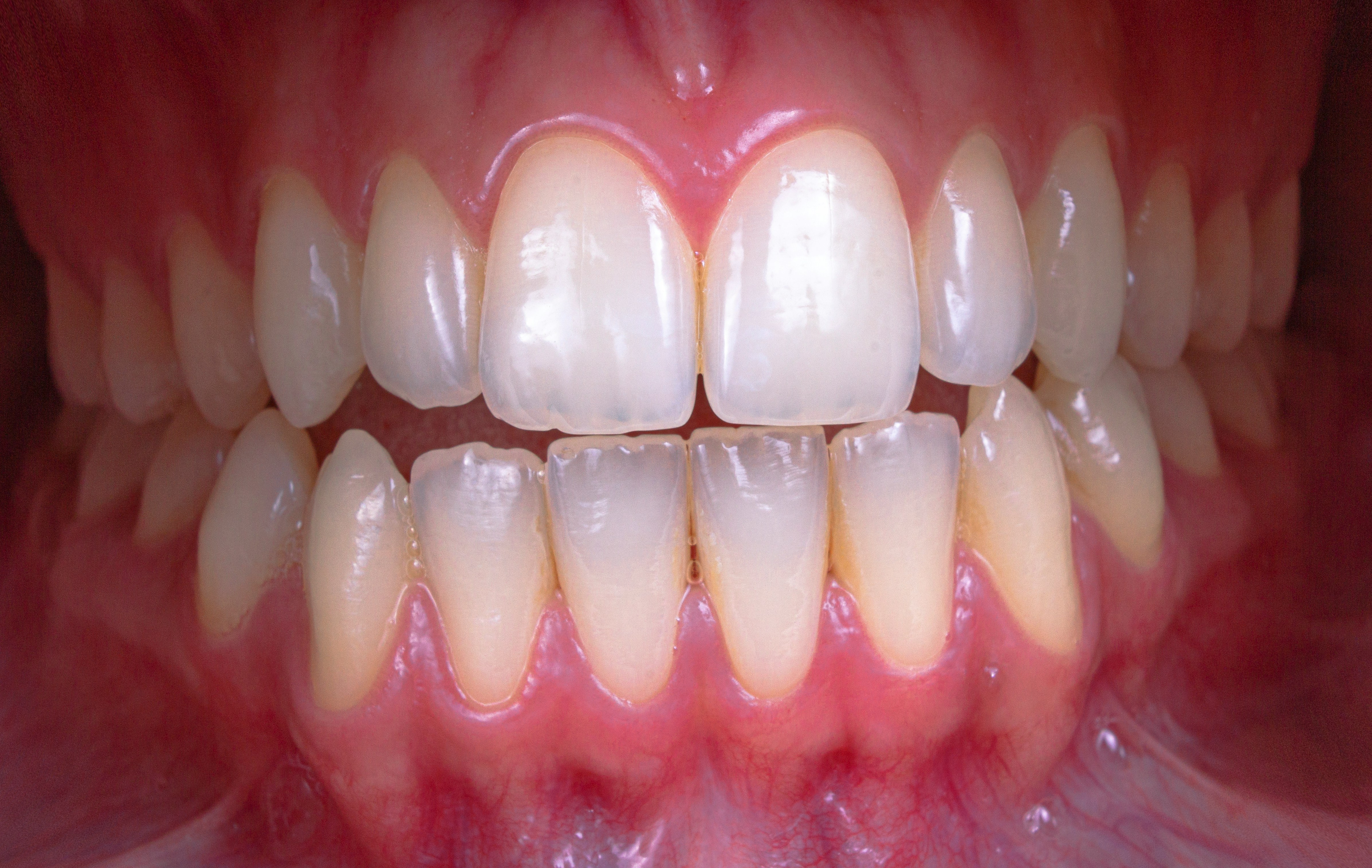
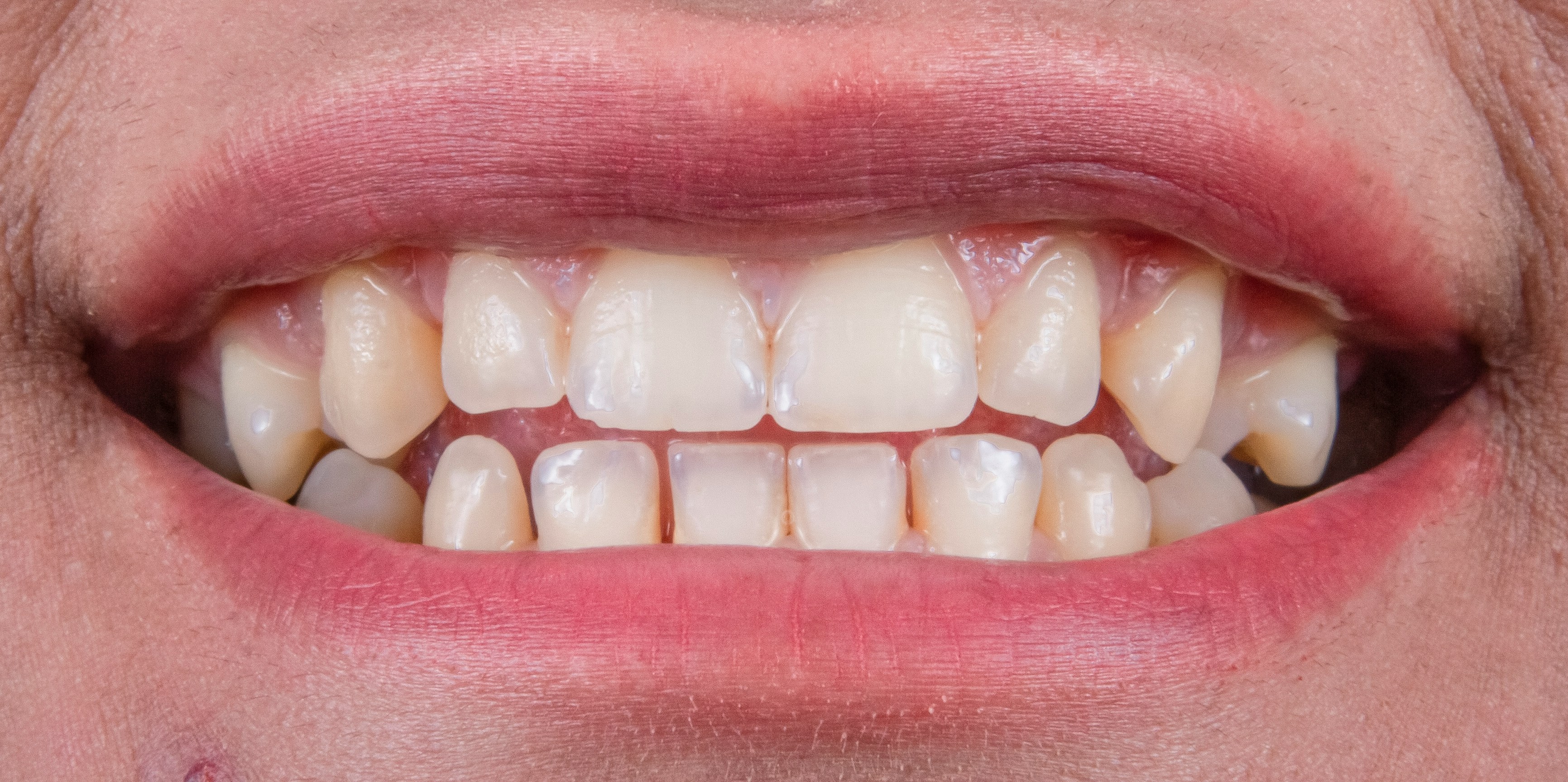
الكسور الصغيرة غالبًا ما يمكن إصلاحها بالحشوات التجميلية أو خيارات محافظة أخرى، بينما الأضرار الأكبر قد تحتاج إلى تاج.
الأسنان المفقودة يمكن استبدالها بزرعات أو جسور أو أطقم أسنان، حسب صحة الفم وظروفك الشخصية.
التشخيص المبكر مهم لأن تحديد حجم الضرر يساعد على اختيار الخيار الأنسب لاستعادة الوظيفة وحماية الأسنان المتبقية والحفاظ على ابتسامتك.
السن التالف أو المفقود قد يؤثر على المضغ والنطق والعضة وجمالية ابتسامتك. الحل المناسب يعتمد على درجة الضرر وحالة البنية المتبقية وما إذا كان يمكن الحفاظ على السن.
استعادة الأسنان تشير إلى الإجراءات التي تعيد بناء الأسنان التالفة أو تحل محل الأسنان المفقودة. حسب الحالة، قد تشمل الخيارات: الترابط السني، الحشوات، التيجان، القشور الخزفية، الجسور، الزراعة، والأطقم السنية.
ما الذي يسبب تكسر أو فقدان الأسنان؟
الحوادث والصدمات، العض على أشياء صلبة، صرير الأسنان، والتآكل الطبيعي قد تؤدي جميعها إلى كسر السن. كما قد يؤدي التسوس إلى إضعاف البنية حتى تنكسر أجزاء منها.
فقدان السن بالكامل قد ينتج عن تسوس شديد أو أمراض اللثة أو إصابات أو خلع السن. ترك المسافة الفارغة دون علاج قد يؤثر على المضغ ويسمح للأسنان المجاورة بالانحراف نحوها.
كمية الضرر تعتبر عاملاً مهماً. جزء صغير قد يحتاج فقط إلى إصلاح محافظ، بينما الفقدان الكبير قد يتطلب تغطية أوسع أو استبدال كامل.
كيف يتم إصلاح السن المكسور؟
يعتمد اختيار إجراء استعادة السن بشكل كبير على كمية البنية المتبقية وما إذا كانت قادرة على دعم الإصلاح.
الترابط السني
الكسور الصغيرة يمكن غالباً إعادة بناؤها باستخدام راتنج مركب بلون السن. يتم تطبيق المادة على المنطقة المتضررة، وتشكيلها لتطابق السن المحيطة، ثم تصليبها بضوء معالجة خاص. يمكن لهذا الأسلوب استعادة الشكل والمظهر دون تغطية السن بالكامل.
ومع ذلك، المركب أقل مقاومة للقوى القاسية من بعض البدائل وقد يحتاج إلى إصلاح إذا تكسر مجدداً.
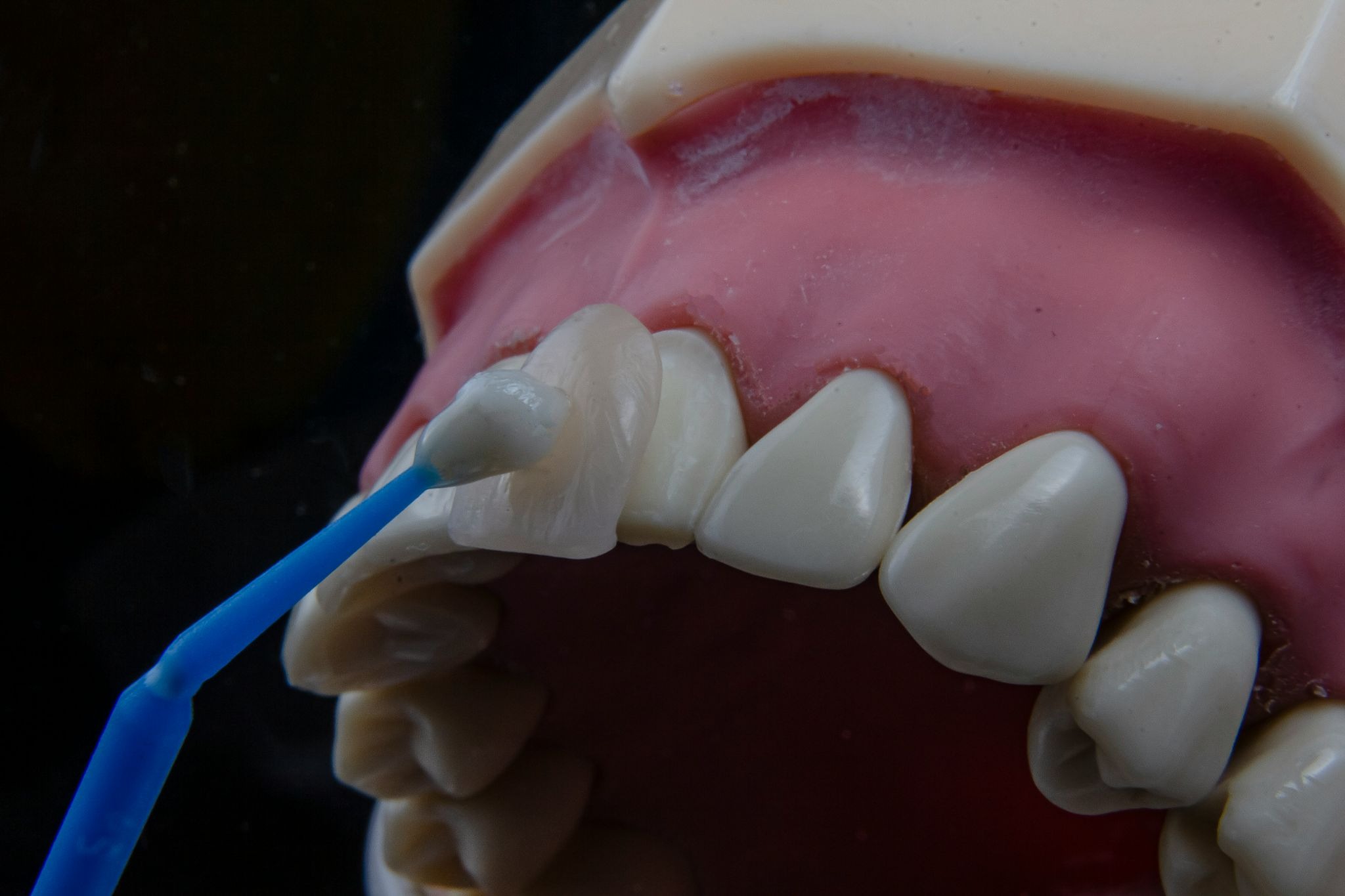
القشور الخزفية
تغطية رقيقة توضع على السطح الأمامي للسن، قد تكون القشور مناسبة للأضرار التجميلية البسيطة التي تؤثر على سن أمامي ظاهر.
يمكن لهذا الخيار تحسين الشكل والون والمظهر السطحي، لكنه غير مخصص عادة لتقوية السن الذي يعاني من فقدان هيكلي كبير.
تيجان الأسنان
التاج يغطي السن لاستعادة شكله وتوفير الحماية عندما يكون هناك فقدان كبير للبنية. قد يُعتبر عندما لا توفر الحشوة أو الترابط وحدهما دعماً كافياً. يمكن استخدام التيجان أيضاً للأسنان المتآكلة بشدة أو المتشققة وبعد معالجة قنوات الجذر.
كيف يتم استبدال السن المفقود؟
عندما لا يكون السن الطبيعي موجوداً، يكون التركيز على ملء المسافة مع استعادة الوظيفة ودعم الهياكل المحيطة.
زراعة الأسنان
الزراعة هي جذر صناعي، عادة مصنوع من التيتانيوم، يُوضع في عظم الفك. بعد شفاء المنطقة وتكامل الزراعة مع العظم، يمكنها دعم تاج أو سن استبدالي آخر.
يوفر هذا خياراً ثابتاً ويمكنه استعادة وظيفة المضغ والمظهر. العملية عادة تتم على عدة مراحل وقد تتطلب عدة أشهر.
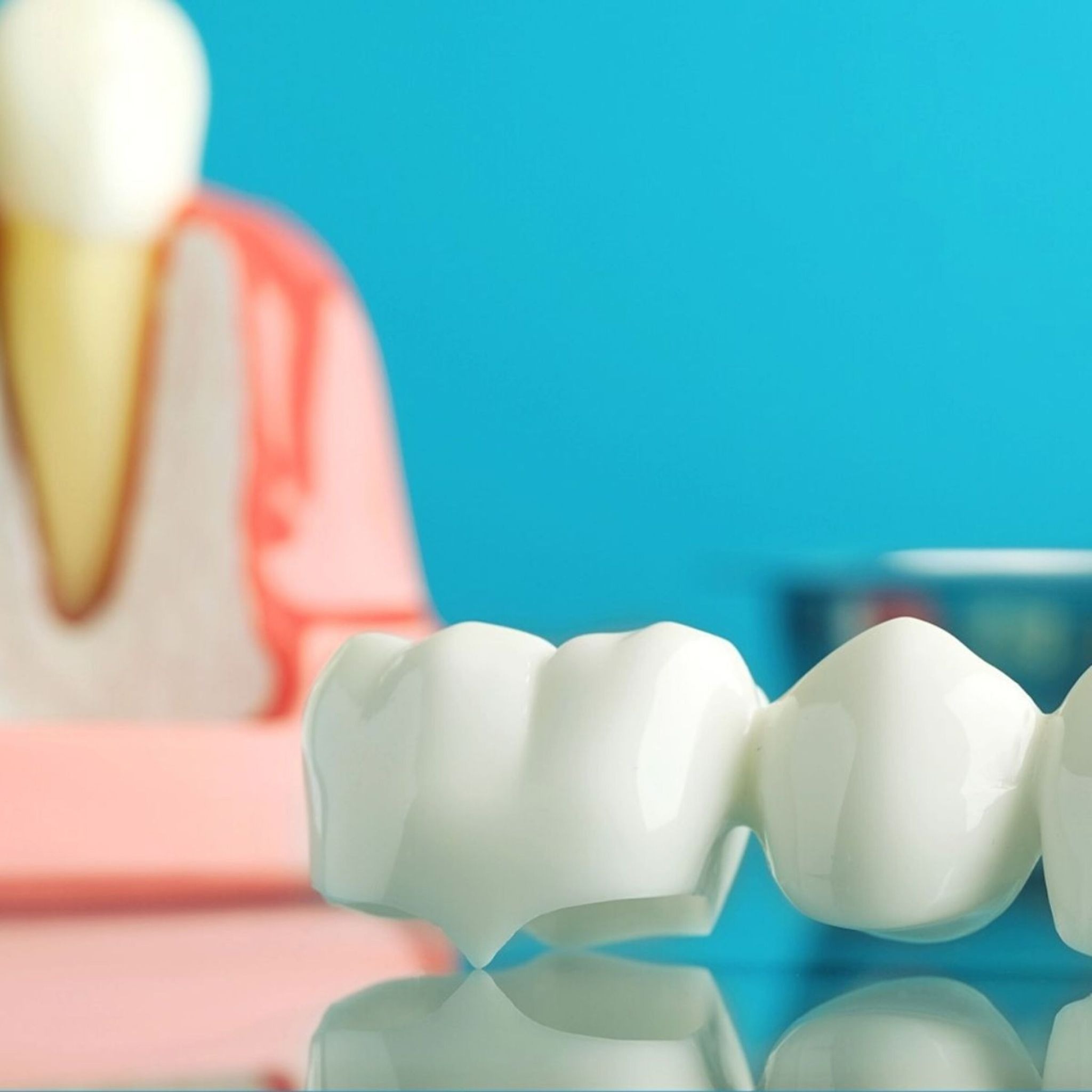
جسور الأسنان
الجسر يملأ الفجوة بسن صناعي مدعوم من الأسنان المجاورة أو الزراعات. التصميم يعتمد على عدد وموضع الأسنان المراد استبدالها، وكذلك حالة الهياكل المحيطة. بعض الأنواع تتطلب تحضير الأسنان المجاورة لدعم التيجان.
أطقم الأسنان
هذا العلاج يستخدم أطقماً سنية قابلة للإزالة عندما تكون عدة أسنان أو جميع الأسنان مفقودة. النسخة الجزئية تعمل بجانب الأسنان الطبيعية المتبقية، بينما المجموعة الكاملة تحل محل جميع الأسنان في القوس.
التصميم الأنسب يعتمد على عدد الأسنان المفقودة وحالة الأسنان واللثة والأنسجة الداعمة المتبقية.
هل يمكن للحشوة إصلاح السن المكسور؟
نعم، في بعض الحالات. على الرغم من أن الحشوات تُستخدم بشكل أساسي لاستبدال البنية المفقودة بسبب التسوس، يمكن استخدام المركب بلون السن أيضاً لبعض الكسور الصغيرة.
حجم وموقع المنطقة التالفة، جنباً إلى جنب مع قوة البنية المتبقية، ستحدد ما إذا كان هذا مناسباً. الكسور الأكبر قد تتطلب استعادة توفر تغطية وحماية أكبر.
ما الذي يحدث أثناء الفحص والتقييم؟
سيقوم طبيب الأسنان بفحص المنطقة المتضررة والأسنان واللثة المحيطة. قد يتم التقاط صور أشعة سينية أو تصوير آخر إذا لزم الحصول على معلومات إضافية.
يمكن للتقييم أن يحدد:
كمية البنية الطبيعية المتبقية
ما إذا كان يمكن الحفاظ على السن
حالة الأسنان واللثة القريبة
كيفية ارتباط المنطقة بعضتك
ما إذا كان هناك تسوس أو عدوى
أي إجراء استعادة أنسب
هذا التقييم مهم لأن الحل يحتاج للعمل بشكل مريح ضمن عضتك الحالية، وليس فقط لتحسين المظهر.
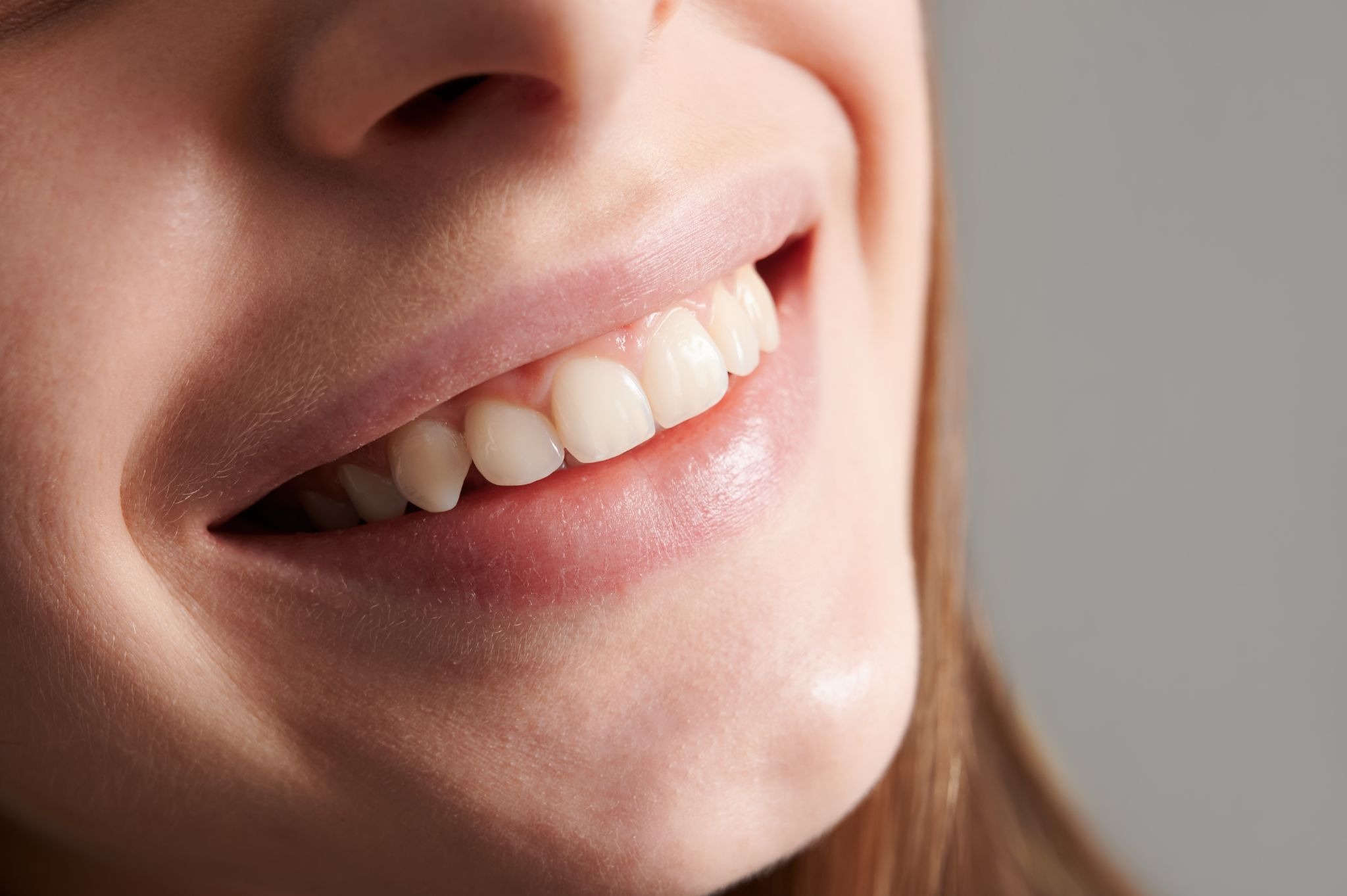
ما فوائد استعادة الأسنان؟
إصلاح أو استبدال السن التالف يمكنه تقديم عدة مزايا وظيفية وجمالية.
استعادة المضغ الطبيعي
إعادة بناء البنية المفقودة أو ملء الفجوة يساعدك على العض ومعالجة الطعام بشكل أكثر راحة.
حماية الأسنان الضعيفة
تغطية السن الذي فقد بنية كبيرة يساعد على حمايته من المزيد من الضرر.
تحسين المظهر الجمالي
المواد بلون السن والقشور والتيجان والأسنان الاستبدالية يمكنها استعادة مظهر أكثر تناسقاً حيث أثر التلف أو فقدان الأسنان على الابتسامة.
دعم النطق
استبدال الأسنان المفقودة يساعد على استعادة جوانب الوظيفة الفموية المتعلقة بتكوين أصوات معينة.
تسهيل العناية اليومية
تصحيح المناطق التالفة أو المفقودة يمكنه خلق ترتيب أكثر وظيفية، رغم أن التنظيف المنتظم والعناية بين الأسنان والفحوصات الدورية تبقى ضرورية.
متى يجب عليك زيارة طبيب الأسنان؟
حتى الكسر الصغير يستحق الفحص. ما يبدو أنه ضرر بسيط على السطح قد يمتد بعمق أكبر في السن، بينما قد تكون المنطقة الضعيفة أكثر عرضة للكسر الإضافي.
الانتباه السريع مهم بشكل خاص إذا واجهت ألماً أو حساسية أو نزيفاً أو تورماً. قد تشير هذه الأعراض إلى ضرر أعمق أو عدوى.
إذا كان السن قد فُقد بالفعل، فإن التقييم يمكنه تحديد ما إذا كان الاستبدال مفيداً وأي خيار مناسب لظروفك.
أي خيار مناسب لك؟
لا يوجد حل عام يناسب الجميع. قد يتم إدارة رقاقة صغيرة بالترابط، بينما الضرر الكبير قد يتطلب تاج. لفقدان السن الكامل، قد يُعتبر الزراعة أو الجسر أو طقم الأسنان.
موضع السن مهم أيضاً. السن الأمامي له اعتبارات جمالية مختلفة عن الضرس المعرض لقوى مضغ أكبر. صحتك الفموية وعضتك وحالة اللثة والعظم المتاح ستؤثر أيضاً على التوصية.
الهدف هو اختيار نهج يعيد الوظيفة المفيدة مع الحفاظ على أكبر قدر ممكن من البنية الطبيعية السليمة.
الخطوة التالية
السن المكسور أو المفقود لا يتطلب دائماً استبدالاً كاملاً. درجة الضرر وحالة البنية المتبقية وصحتك الفموية العامة ستحدد النهج الأنسب.
قد يتم إصلاح الضرر البسيط بالترابط أو خيار محافظ مشابه، بينما الفقدان الأكثر شمولاً قد يتطلب تاج. عندما يكون السن غائباً، يمكن للجسور والزراعات والأطقم توفير طرقاً مختلفة لاستعادة المسافة.
السعي للحصول على تقييم مبكر يسمح بتحديد السبب وحجم المشكلة قبل اتخاذ قرار العلاج. استعادة الأسنان الصحيحة يمكنها استرجاع الوظيفة وحماية البنية المتبقية وتحسين مظهر ابتسامتك.