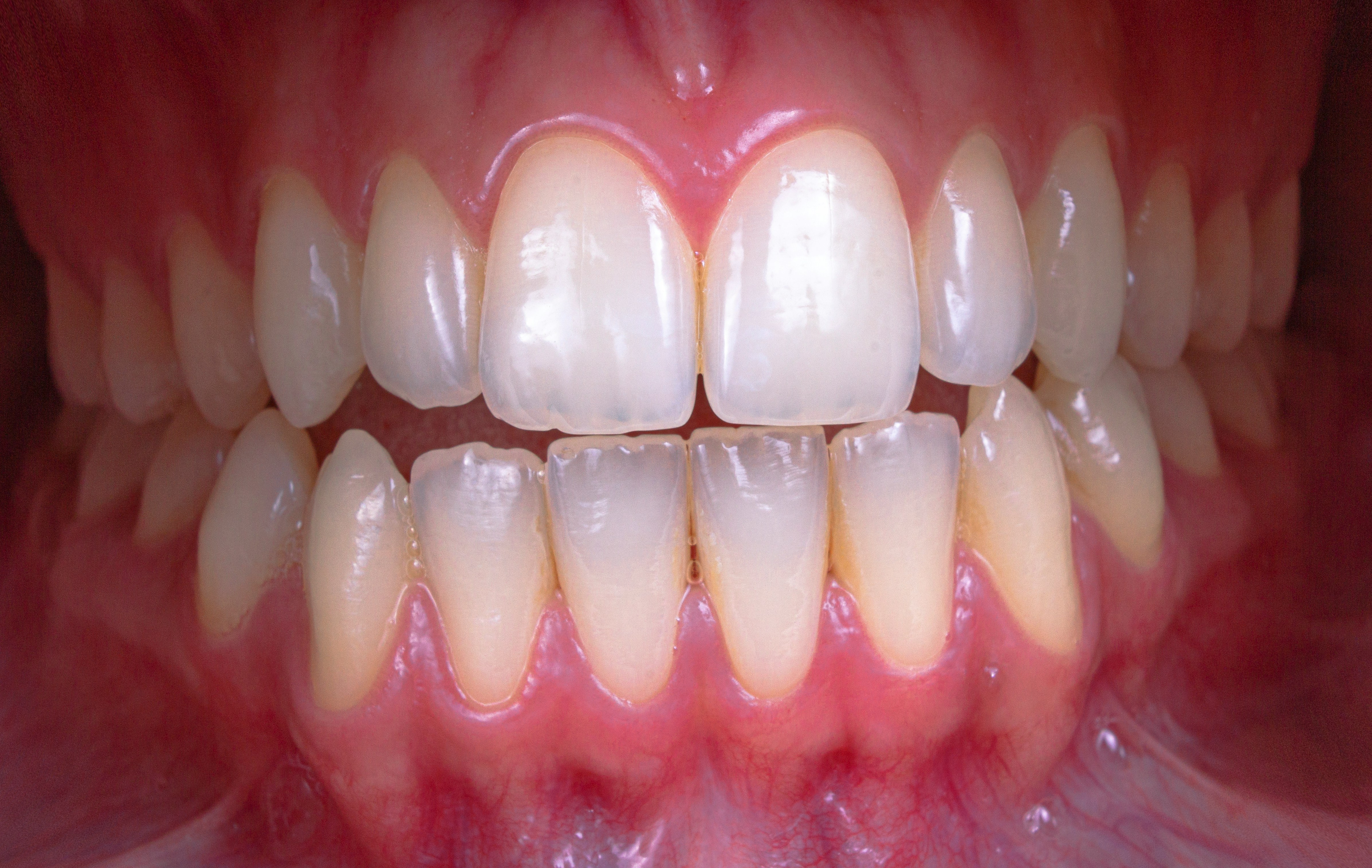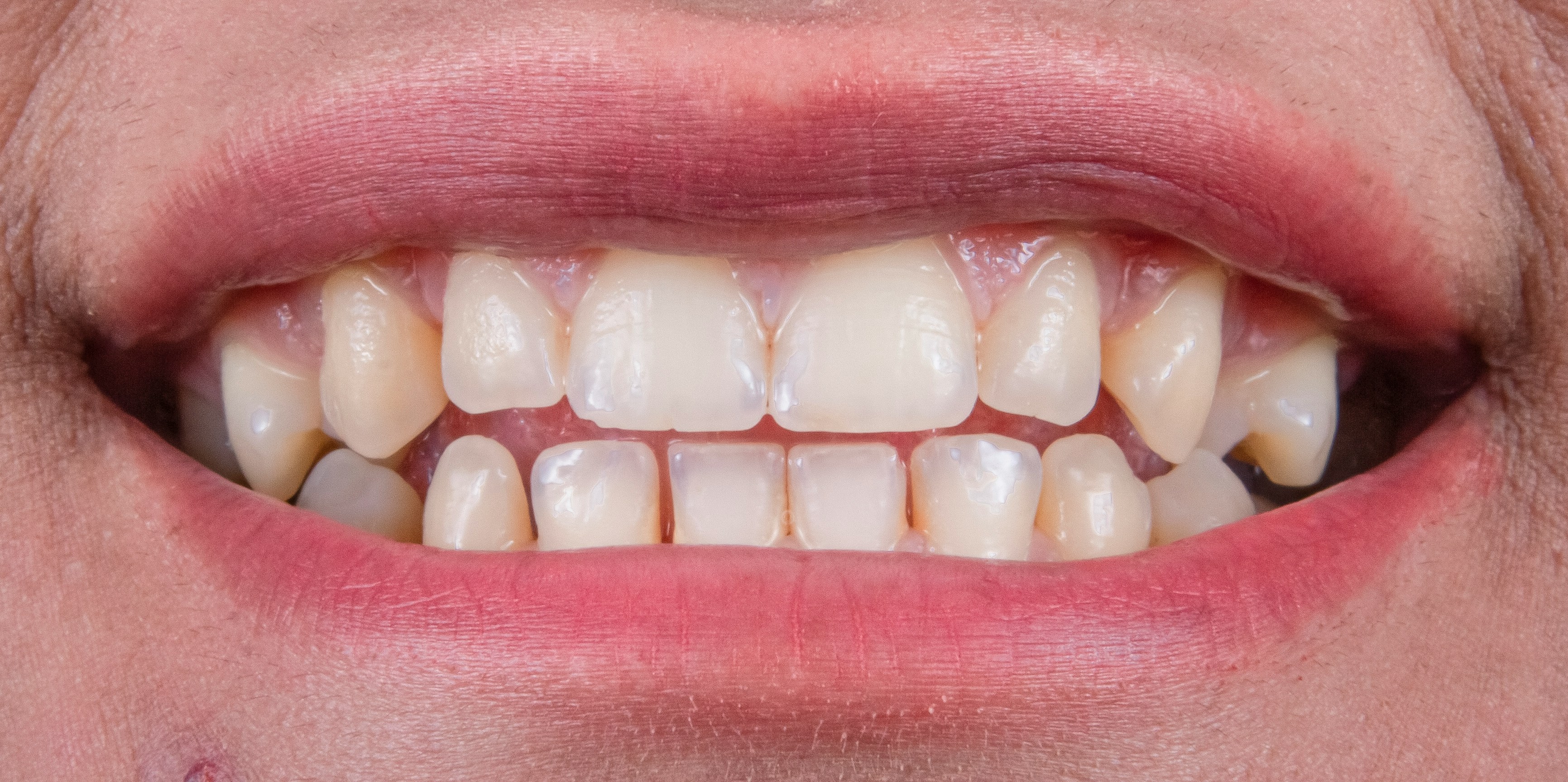
اختيار تقويم الأسنان خطوة أساسية تؤثر على الصحة والثقة بالنفس. وعند البحث الخيارات المتاحة، ستجد غالبًا خيارين رئيسيين: التقويم التقليدي وتقويم الانفزلاين. كلاهما يهدف إلى تحسين اصطفاف الأسنان، لكن آلية العمل تختلف بينهما بشكل كبير، وفهم هذه الفروقات يساعدك على اتخاذ القرار الأنسب لاحتياجاتك اليومية والصحية.
لا يقتصر دور الأسنان المستقيمة على تحسين المظهر فقط، بل يسهم أيضًا في تعزيز صحة الفم. فترتيب الأسنان بشكل صحيح يسهل تنظيفها ويقلل من خطر التسوس وأمراض اللثة، كما يساعد على تحسين عملية المضغ وتقليل مشاكل الفك. سوف نساعدك في هذه المقالة على فهم الفرق بين التقويم الشفاف والتقويم المعدني للحصول على ابتسامة صحية.
ما هو تقويم الانفزلاين وكيف يعمل؟
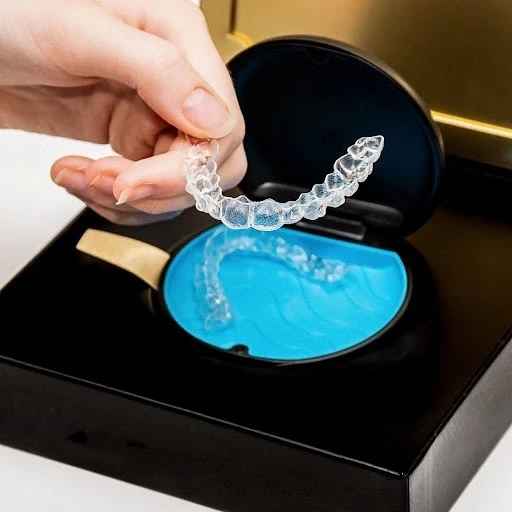
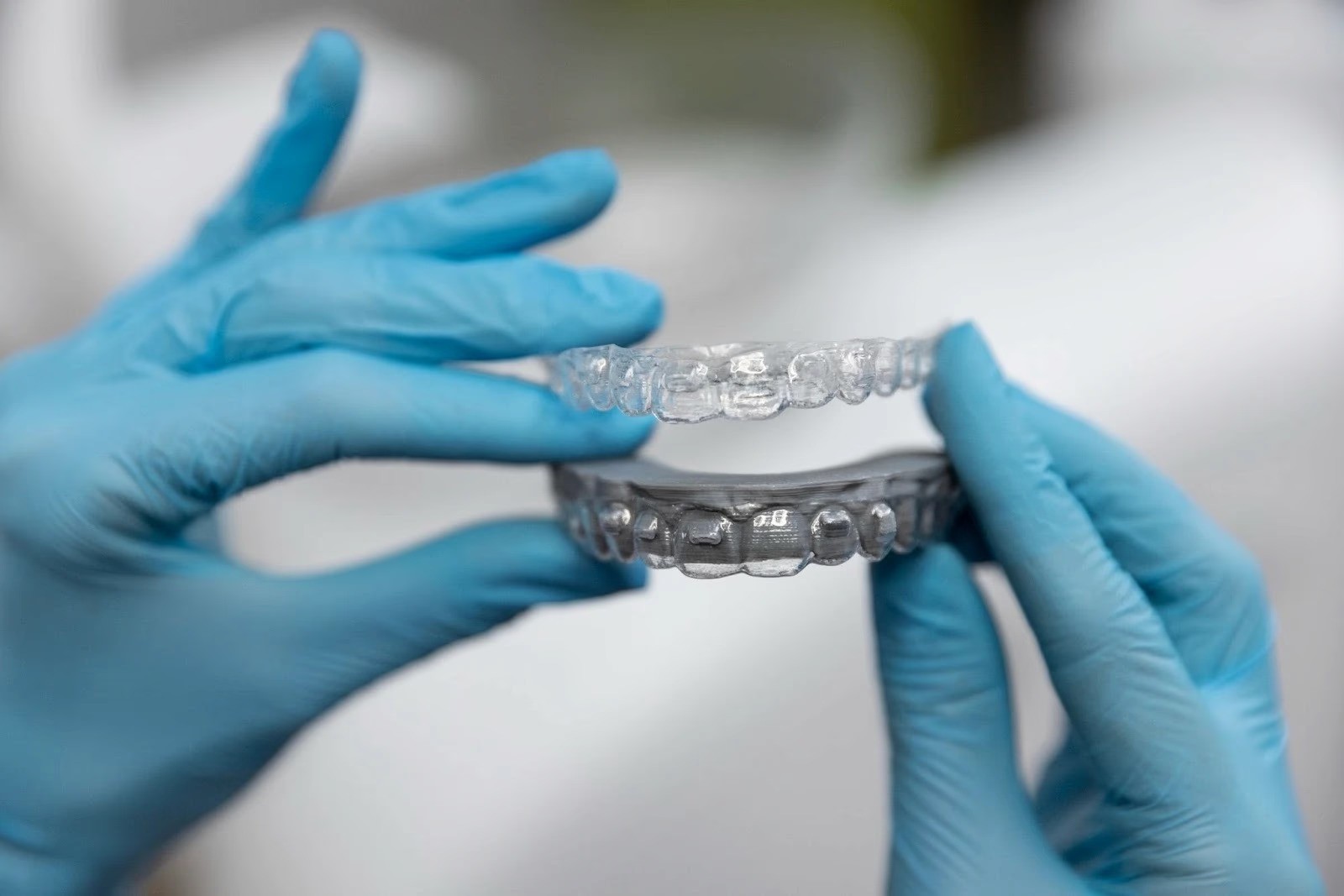
إنفزلاين هو نظام تقويم حديث يعتمد على قوالب شفافة قابلة للإزالة تعمل على تحريك الأسنان تدريجيًا نحو وضعها الصحيح. يتم تصميم هذه القوالب خصيصًا لكل حالة، وترتديها لمدة تتراوح بين 20 و 22 ساعة يوميًا، وتستبدلها بمجموعة جديدة كل أسبوع إلى أسبوعين. كل قالب جديد يقوم بتعديلات بسيطة حتى تصل أسنانك إلى وضعها النهائي.
تتميز قوالب إنفزلاين بكونها شبه غير مرئية، إضافةً إلى إمكانية إزالتها عند الأكل أو العناية بالفم، مما يجعلها خيارًا مريحًا وعمليًا.
يُستخدم إنفزلاين عادة في الحالات البسيطة إلى المتوسطة من مشاكل اصطفاف الأسنان.
التزاحم البسيط
الفجوات الصغيرة بين الأسنان
مشاكل الإطباق البسيطة
أما الحالات الأكثر تعقيدًا فقد لا تزال تتطلب استخدام التقويم التقليدي.
المميزات | العيوب |
|---|---|
شفاف وأقل وضوحًا عند الارتداء | يجب ارتداؤه لمدة 20–22 ساعة يوميًا |
قابل للإزالة لتناول الطعام والعناية بالفم | يمكن أن يضيع أو يُنسى |
لا يحتوي على أسلاك معدنية أو دعامات | غير مثالي لسوء التراصف أو مشاكل الإطباق الشديدة |
عدد أقل من زيارات الأسنان للتعديلات | قد يتطلب ملحقات على الأسنان لتحسين الحركة |
ما هو التقويم المعدني التقليدي؟
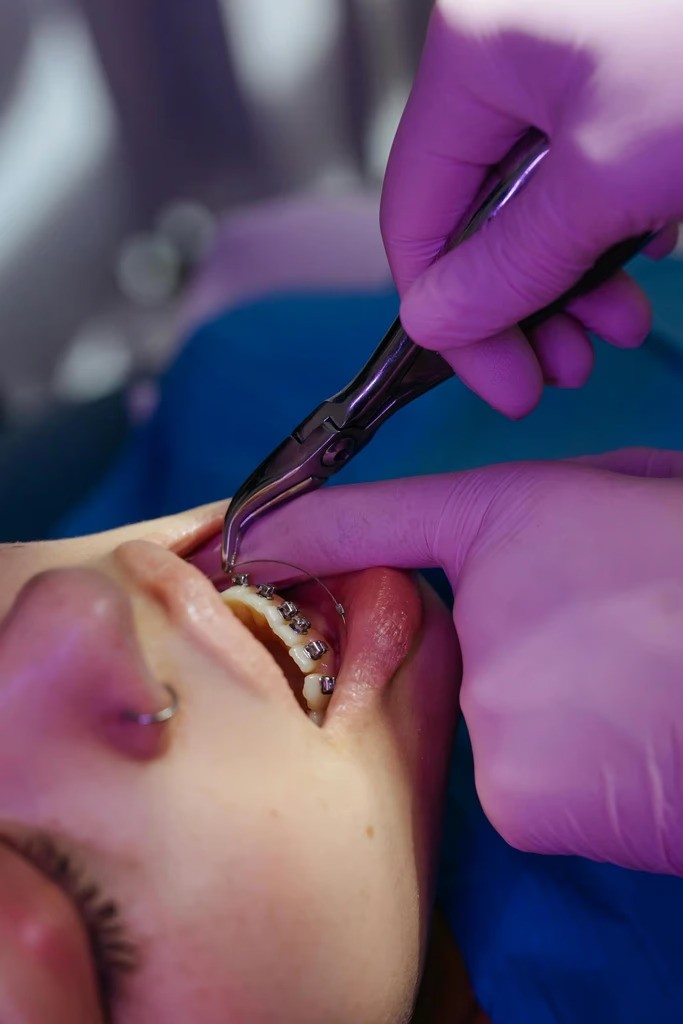
يعتمد التقويم التقليدي على تثبيت دعامات على الأسنان متصلة بسلك معدني، يقوم الطبيب بتعديله بشكل دوري لتحريك الأسنان تدريجيًا إلى موقعها الصحيح.
هناك عدة أنواع من التقويم التقليدي:
التقويم المعدني: الخيار الأكثر شيوعًا والأكثر متانة
التقويم الخزفي: دعامات بلون الأسنان تكون أقل وضوحًا
التقويم الداخلي: يُثبت خلف الأسنان مما يجعله مخفيًا تمامًا عن الأنظار
التقويم التقليدي ثابت، أي أنه يبقى على أسنانك طوال فترة العلاج ولا يمكنك إزالته بنفسك.
هذا النوع مناسب لمجموعة واسعة من مشاكل تقويم الأسنان، بما في ذلك الحالات الأكثر تعقيدًا مثل:
التزاحم الشديد
سوء الإطباق الواضح
الأسنان الملتوية أو المطمورة
المميزات | العيوب |
|---|---|
فعال للحالات البسيطة والمعقدة على حد سواء | أكثر وضوحًا، خاصة التقويم المعدني |
يعمل باستمرار لأنه مثبت في مكانه | قد يسبب تهيجًأ للخدين واللثة |
لا داعي للتذكّر بارتدائه | يتطلب تنظيفًا دقيقًا حول الدعامات والأسلاك |
غالبًا ما يكون أكثر توفيًرا من الانفزلاين | يجب تجنب بعض الأطعمة (الصلبة، اللزجة، أو المطاطية) |
الفرق بين التقويم الشفاف والتقويم المعدني
لاختيار العلاج الأنسب، من المهم معرفة الفرق بين التقويم الشفاف والتقويم المعدني. فبالرغم من أن كليهما يحقق نتائج فعالة، إلا أن تجربة الاستخدام تختلف بشكل واضح.
المظهر
يُعد تقويم الإنفزلاين شبه غير مرئي، مما يجعله خيارًا مثاليًا للموظفين أو لمن يفضلون حلًا غير ملحوظ. في معظم الأحيان، لا يمكن ملاحظة القوالب إلا عند التدقيق عن قرب.
في المقابل، يظهر التقويم المعدني بشكل واضح. ورغم إمكانية استخدام دعامات خزفية لتقليل ظهوره، إلا أن الأسلاك تظل مرئية. ومع ذلك، لا يرى الكثيرون في ذلك مشكلة كونه حلًا مؤقتًا، بل يفضّل البعض تخصيصه باستخدام ألوان مختلفة.
الراحة
يتميز تقويم الإنفزلاين بقوالبه المصنوعة من بلاستيك ناعم، مما يقلل من احتمالية التهيج داخل الفم. قد تشعر بضغط خفيف عند تغيير القوالب، لكنه يكون تدريجيًا ومحتملًا. كما أن تصميمه المخصص يوفر راحة ملحوظة طوال اليوم.
أما التقويم التقليدي قد يسبب بعض الانزعاج في البداية، خاصة بعد أن يقوم الطبيب بشد الأسلاك. فقد تحتك الدعامات والأسلاك المعدنية بالجزء الداخلي من الفم مسببة بعض التقرحات أو التهيج في البداية.ومع مرور الوقت، يعتاد الفم عادة على ذلك ويقل الانزعاج. يستخدم العديد من المرضى الشمع الطبي لتغطية أي مناطق حادة حتى يتكيف الفم.
الفعالية
كلا العلاجين فعالان للغاية، لكن كلًا منهما يتفوق في مجالات مختلفة. تقويم الانفزلاين ممتاز للحالات البسيطة إلى المتوسطة من التزاحم والفراغات بين الأسنان. كما أنه مناسب جدًا للأشخاص الذين سبق أن استخدموا التقويم التقليدي ثم عادت أسنانهم لبعض التحرك لاحقًا.
أما التقويم التقليدي فهو أفضل للحالات المعقدة. فإذا كانت الأسنان تحتاج إلى تحريك عمودي أو دوران كبير، فإن الدعامات الثابتة توفر ضغطًا مستمرًا وفعالًا. كما أن التقويم التقليدي يمنح الطبيب تحكمًا أكبر، خاصة في المنطقة الخلفية من الفم.
الراحة وسهولة العناية
مع تقويم الانفزلاين، تتضمن العناية شطف القوالب وتنظيفها بلطف. كما يجب تنظيف أسنانك بالفرشاة قبل إعادة وضع القوالب مرة أخرى. هذا يمنع احتجاز بقايا الطعام والسكر بين القوالب والأسنان.
أما مع التقويم التقليدي، فالعناية تتطلب التنظيف بالفرشاة والخيط بعناية حول الدعامات والأسلاك. ستحتاج إلى تخصيص وقت أطول للعناية اليومية بالفم لمنع تراكم البلاك حول الدعامات. لكن بالمقابل، لست بحاجة للقيام بخطوة إضافية مثل إزالة القوالب وتخزينها قبل تناول وجبة خفيفة أو شرب القهوة.
مدة العلاج
تعتمد مدة العلاج بشكل أساسي على احتياجاتك الصحية، وليس على نوع التقويم نفسه. في المتوسط، يستغرق تقويم الانفزلاين من 12 إلى 18 شهرًا. وبما أن تغيير القوالب يتم في المنزل، قد تحتاج إلى عدد أقل من زيارات الطبيب.
أما التقويم التقليدي فيستغرق عادة من 18 إلى 24 شهرًا. ونظرًا لأن العلاج ثابت، ستحتاج إلى زيارة طبيب الأسنان كل أربعة إلى ستة أسابيع لإجراء التعديلات اللازمة، وهذه الزيارات ضرورية لضمان استمرار تحرك الأسنان بالاتجاه الصحيح.
التكلفة
في الماضي، كان تقويم الانفزلاين أكثر تكلفة من التقويم التقليدي بشكل ملحوظ. لكن اليوم، تقلصت الفجوة السعرية بينهما. حيث يعتمد السعر النهائي على مدة العلاج ودرجة تعقيد التحركات المطلوبة. يقدم العديد من المراكز الطبية خطط سداد مرنة لتسهيل تحمل تكلفة أي من الخيارين.
ما هو التقويم الأنسب لك؟
يعتمد الاختيار الأفضل على الاحتياجات العلاجية والانضباط الشخصي.
إذا كانت لديك حياة اجتماعية نشطة أو مهنة تتطلب مظهرًا متحفظًا وتبحث عن حل غير ظاهر، فإن تقويم الانفزلاين خيار قوي. فهو يتيح لك الحفاظ على نظامك الغذائي المعتاد ويجعل العناية بالفم بسيطة. لكنه يتطلب انضباطًا شخصيًا لارتداء القوالب طوال اليوم تقريبًا.
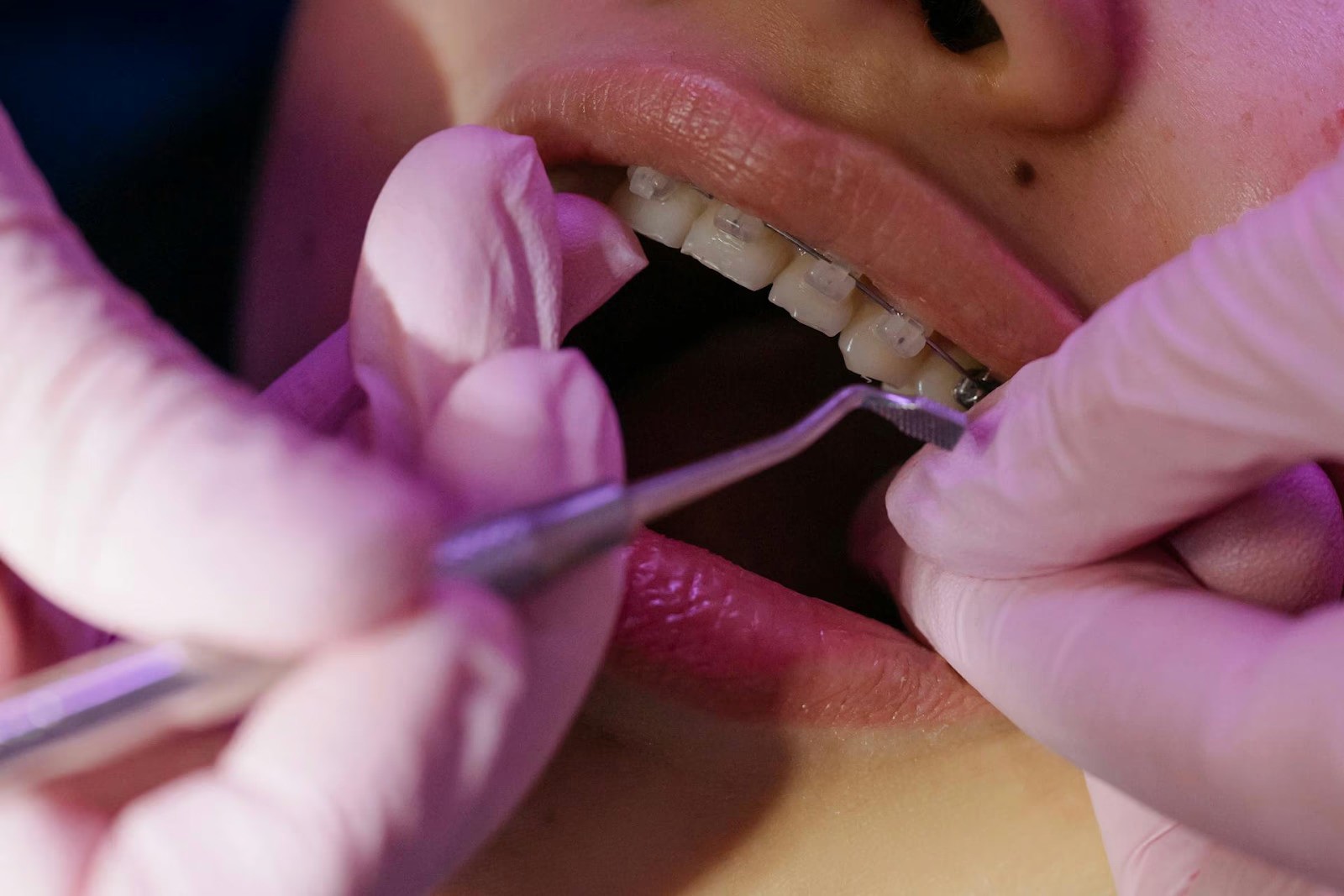
أما إذا كانت حالة الاسنان معقدة، أو تفضل حلًا ثابتًا لا يتطلب متابعة مستمرة، فقد يكون التقويم التقليدي أكثر ملاءمة لك. فأنت لست بحاجة للقلق بشأن فقدان القوالب أو تتبع وقت ارتدائها. حيث أن التقويم التقليدي خيار موثوق وثبتت فعاليته لتحقيق ابتسامة مثالية مهما كانت نقطة البداية.