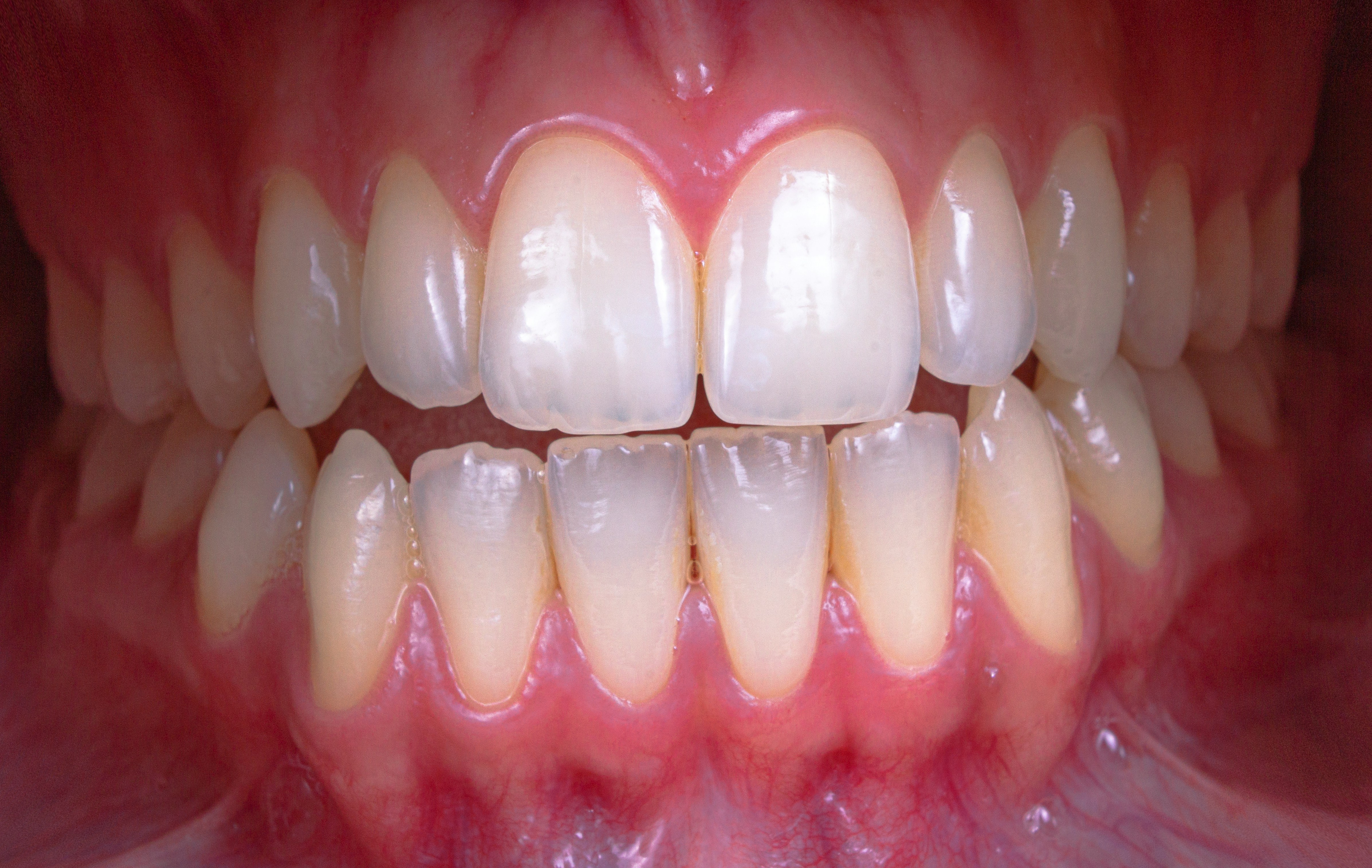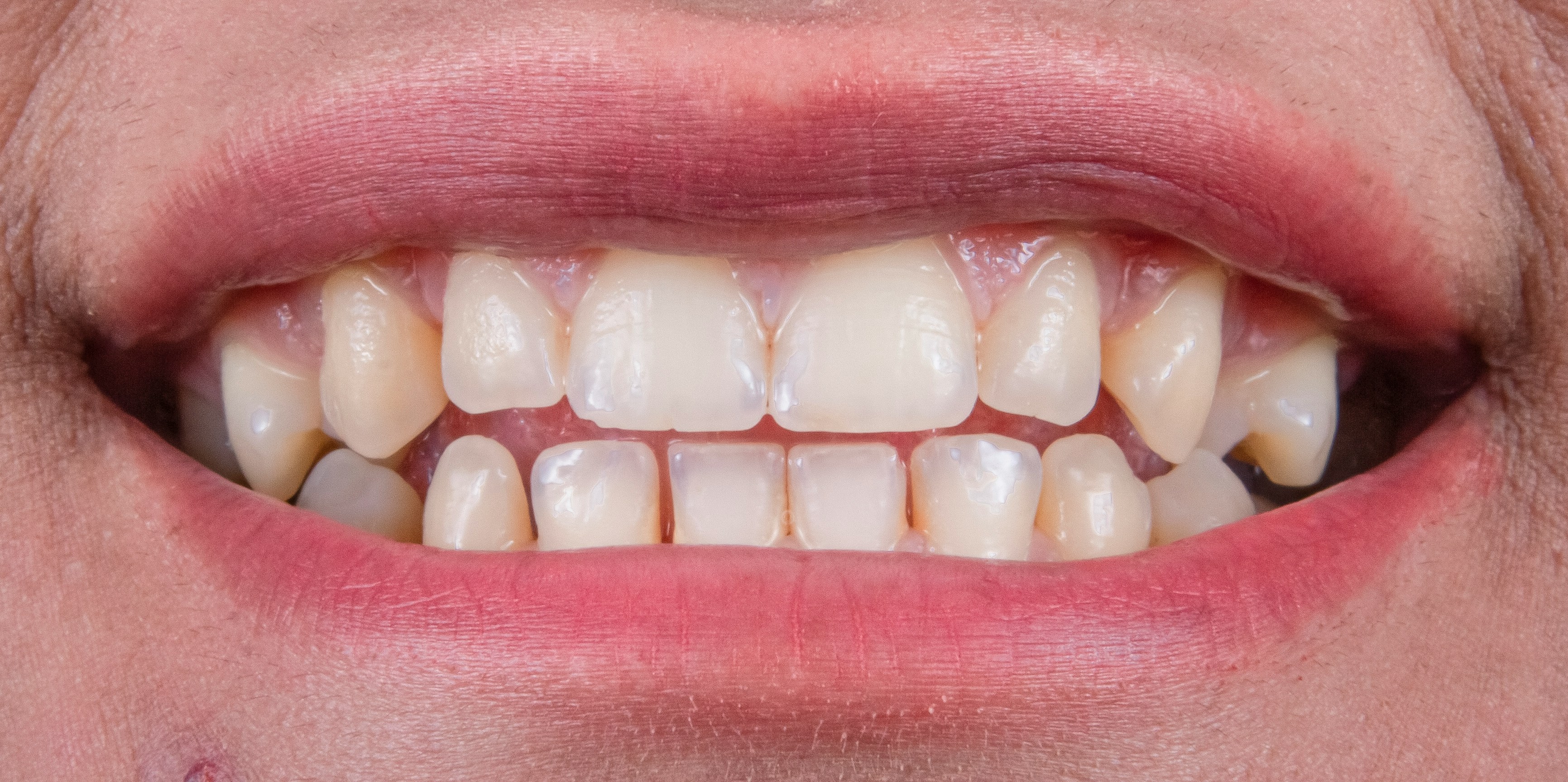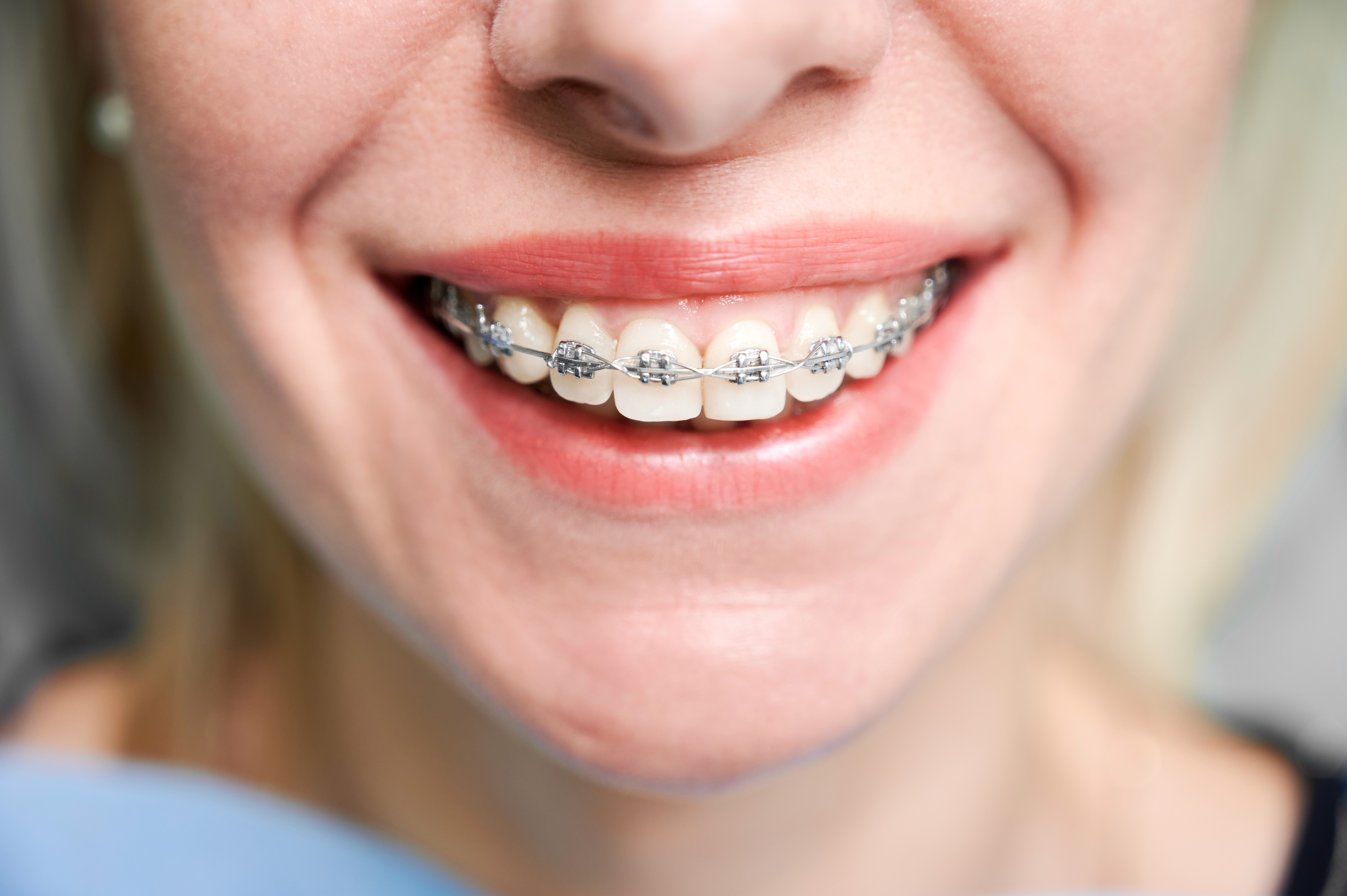
Crowding, spacing, and bite problems are common reasons braces may be recommended, particularly when they affect oral function or hygiene.
Early assessment can help guide the timing of treatment, especially while the teeth and jaws are still developing.
Braces can improve more than alignment, supporting bite function, easier oral hygiene, balanced tooth wear, and greater confidence in your smile.
Not every bite or alignment concern is obvious, but certain changes may indicate that you could benefit from specialist care. Crowding, spacing, bite irregularities, and difficulty chewing can affect more than the appearance of your smile, particularly when they make everyday oral care or function more difficult.
If you are wondering whether braces may be right for you, understanding how they work and the signs that may indicate a need for treatment can help you know when to seek an orthodontic assessment.
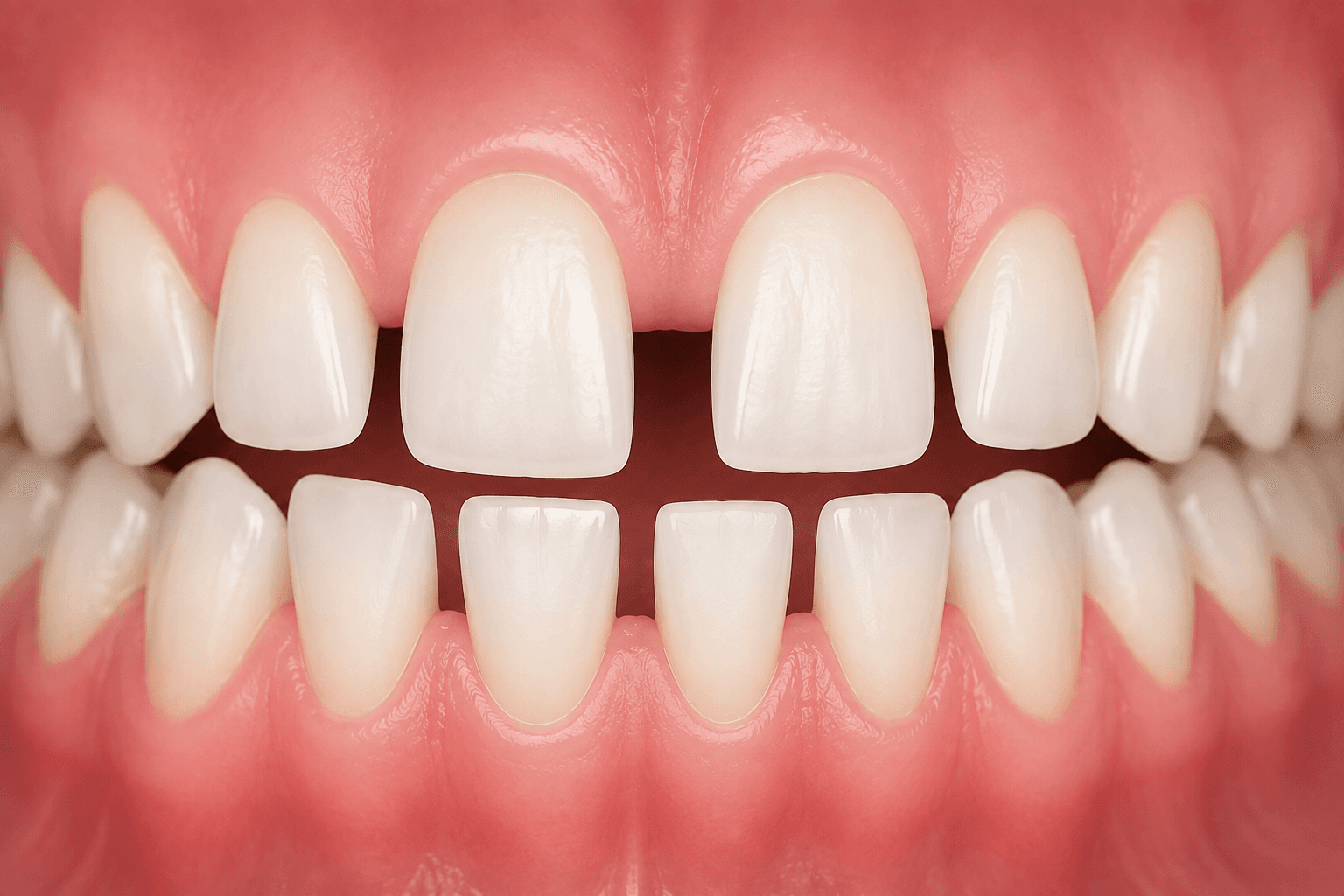
1. Gaps Between Your Teeth
Visible spaces can develop naturally or result from differences in tooth size, missing teeth, or changes in the gums. Larger gaps may affect the way the teeth meet and can allow food to collect around the gums. Closing these spaces can create a more balanced bite and make some areas easier to keep clean.
2. Open Bite
A space remains between some of the upper and lower teeth when you close your mouth. This can interfere with biting into food and, in some cases, affect speech.It may be associated with tooth position, jaw development, or habits such as prolonged thumb-sucking or dummy use, particularly during childhood.
3. Difficulty Biting or Chewing
Problems with the way the upper and lower teeth meet can make everyday functions less comfortable. You may find that certain foods are harder to bite or that particular teeth take more pressure than others. Improving the relationship between the two arches can help create a more functional bite.
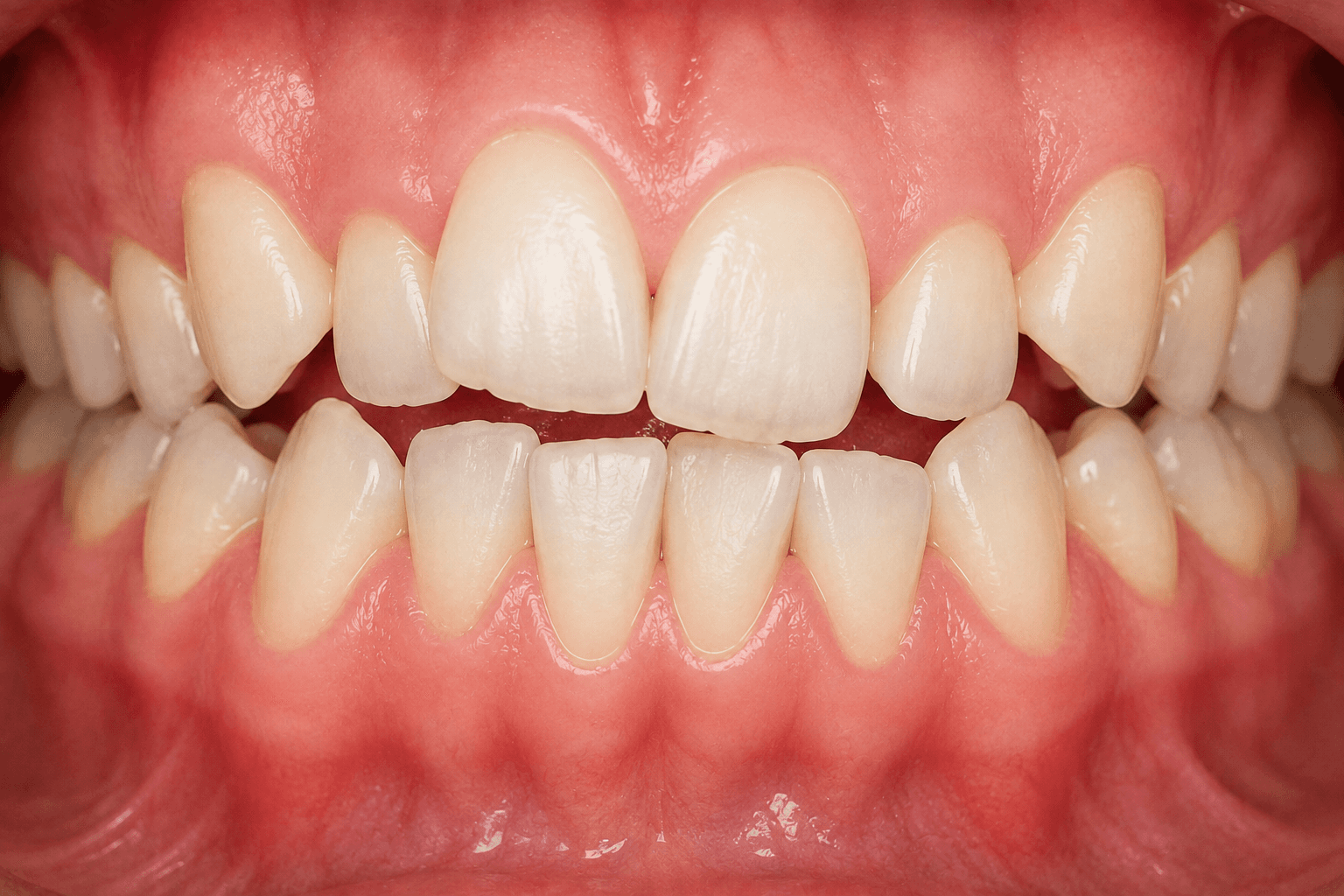
4. Crowded or Crooked Teeth
Limited space can cause teeth to overlap, rotate, or sit outside their expected position. These areas can be harder to brush and floss effectively, allowing plaque and food debris to accumulate. Creating a more even arrangement can make daily oral hygiene easier while improving overall alignment.
5. Speech Difficulties
The position of the teeth and jaws influences how the tongue moves when forming certain sounds. Significant alignment problems may therefore contribute to difficulty pronouncing particular words or sounds. Addressing the underlying dental relationship may improve oral function, although speech difficulties can also have other causes.
6. Frequent Tongue or Cheek Biting
Repeatedly catching the tongue or inside of the cheek between the teeth may be linked to an uneven bite or tooth position. Persistent irritation can cause soreness and discomfort.
If the contact between the teeth is contributing to the problem, improving their position may help reduce this occurrence.
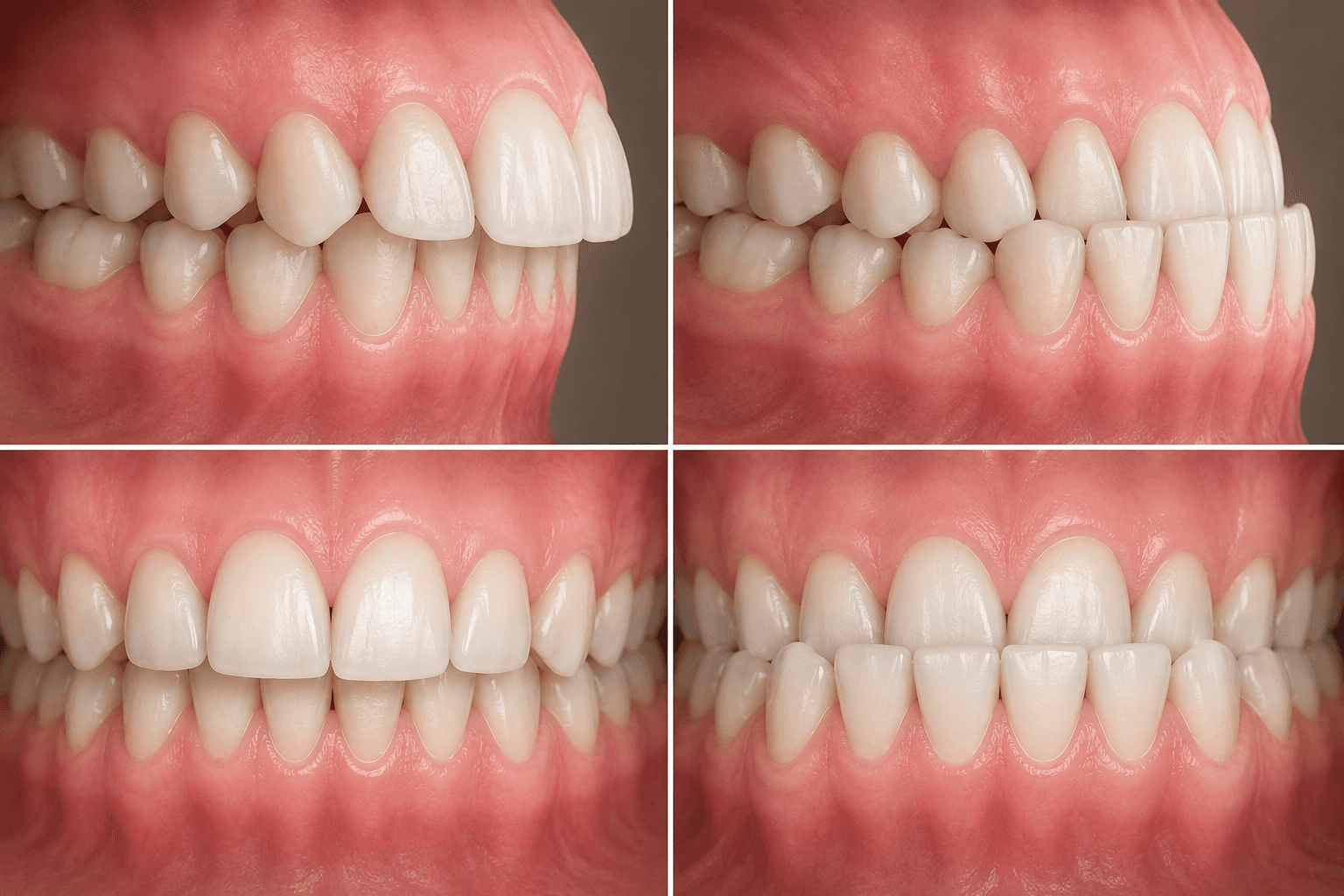
7. Overbite or Underbite
Excessive overlap between the upper and lower teeth, or a lower set that sits ahead of the upper teeth, can affect the way your bite functions. More pronounced cases may make chewing uncomfortable and place uneven pressure on certain teeth. The appropriate approach depends on the cause and severity of the discrepancy.
8. Jaw Discomfort or an Uneven Bite
Jaw fatigue, discomfort when chewing, or an uneven sensation when the teeth come together can sometimes accompany alignment problems.
However, clicking or popping does not automatically mean braces are needed. These symptoms can have several causes, so an assessment is important to identify what is contributing to the discomfort and determine the appropriate treatment.
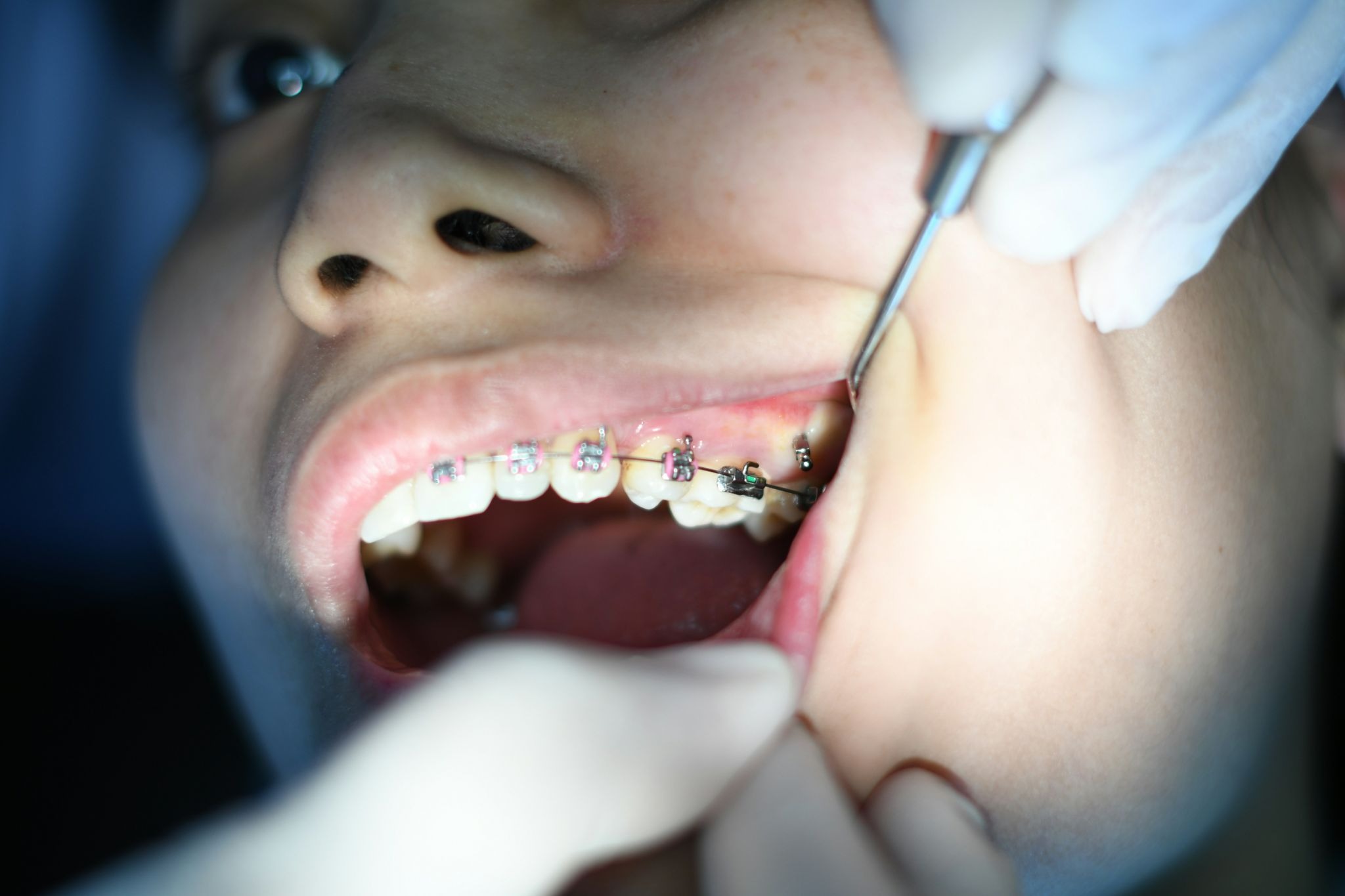
Why Is an Assessment Important If You Have These Signs?
Having one or more of these signs does not automatically mean that you need braces. The cause and severity of the concern, your age, dental development, bite and jaw relationship all need to be considered before treatment is recommended.
An assessment allows these factors to be evaluated together. Your orthodontist can determine whether treatment is appropriate, whether it should begin immediately or whether monitoring is preferable. Depending on your individual needs, braces, clear aligners or another approach may be considered.
For children and teenagers, assessment can be particularly useful while the teeth and jaws are developing. For adults, it can help establish the most appropriate approach based on existing tooth position, bite and oral health.