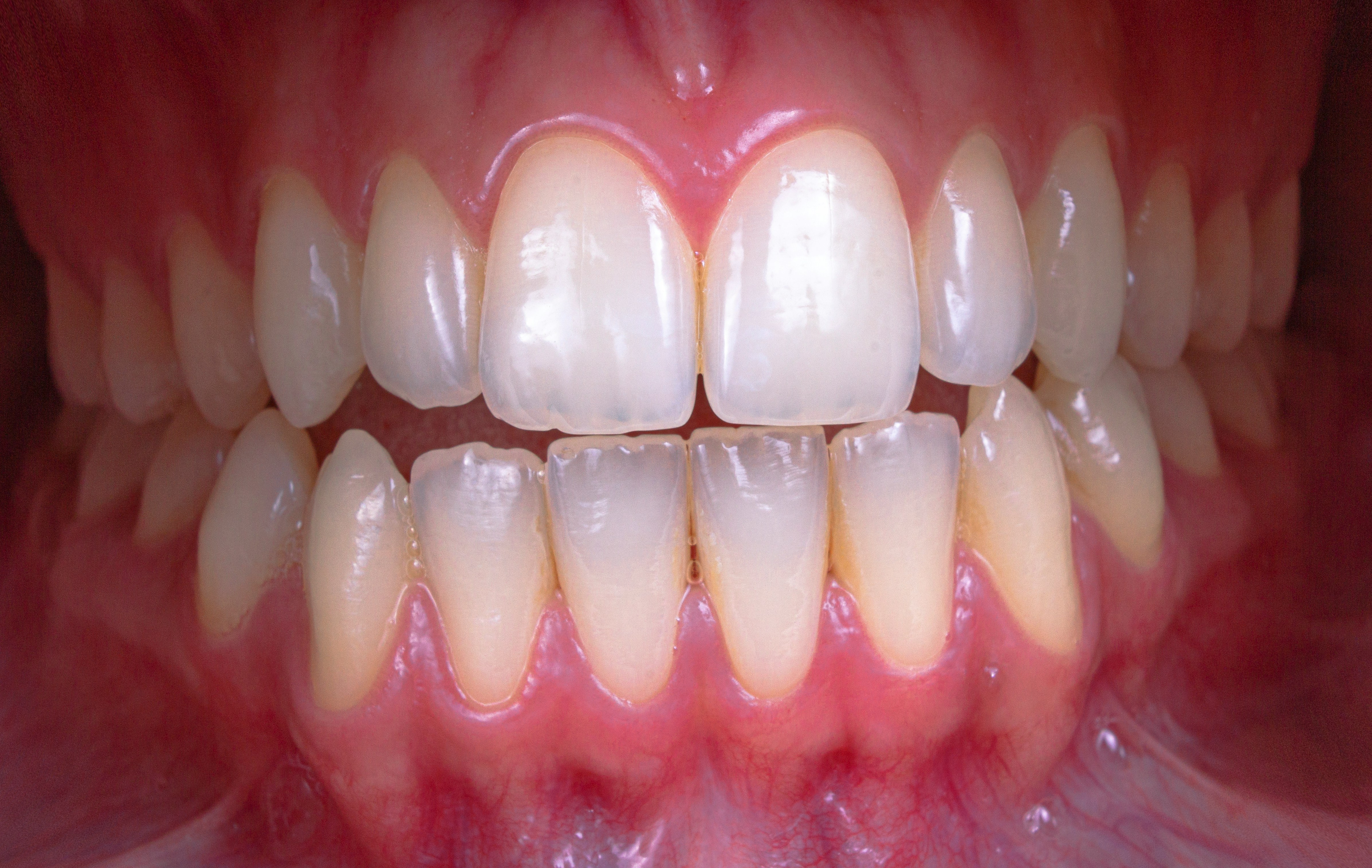
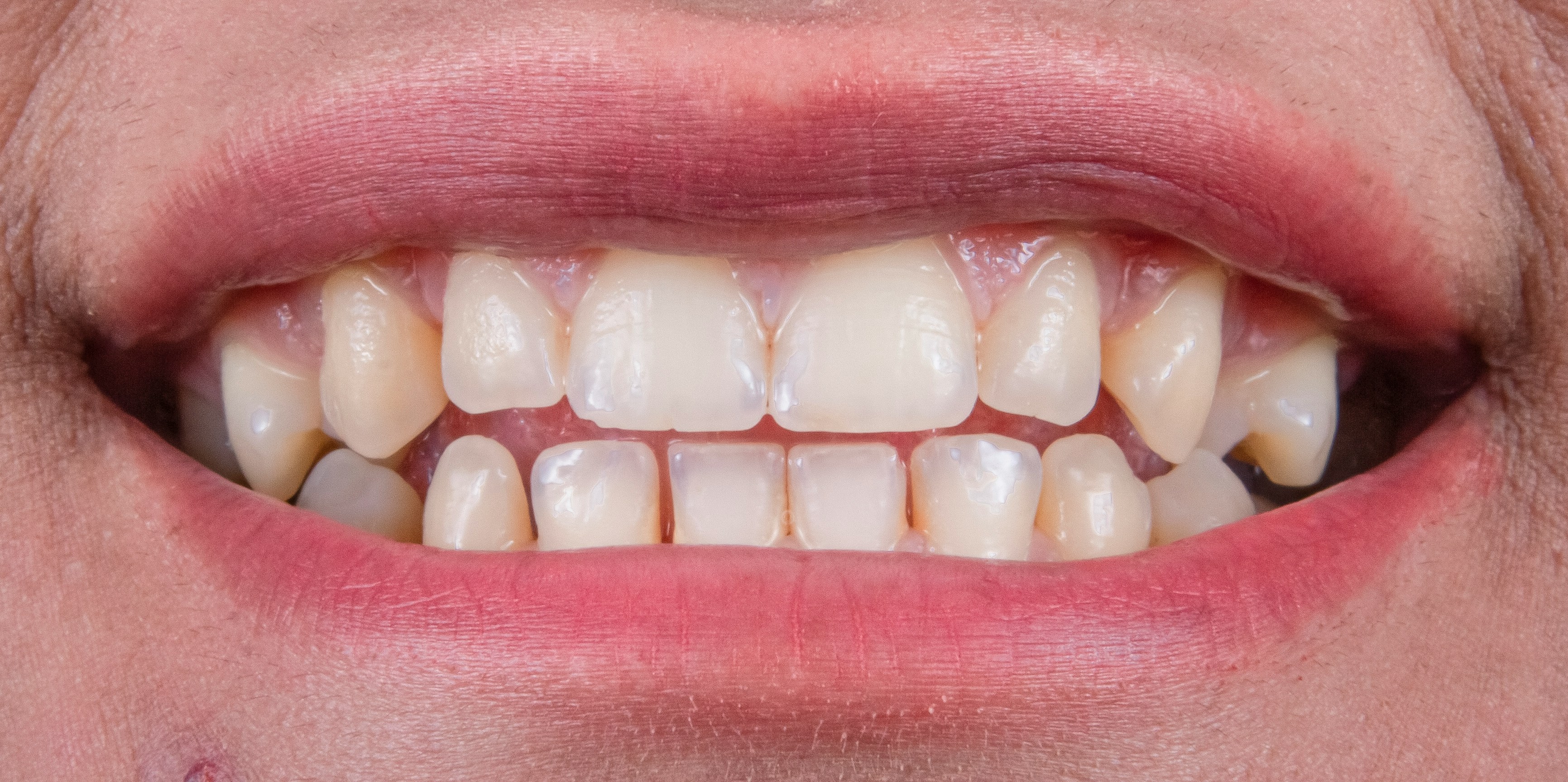
Crowded teeth occur when there is not enough room in the jaw, causing teeth to overlap, rotate, or erupt out of position.
Treatment options include clear aligners, fixed braces, palatal expanders, and, in some cases, tooth extraction.
Early diagnosis can simplify treatment and help reduce the risk of future oral health complications.
Crowded teeth are one of the most common orthodontic concerns affecting both children and adults. They develop when there is insufficient space in the jaw for all the teeth to align properly, causing them to overlap, rotate, or become displaced. While some people consider crowding a cosmetic issue, it can also make maintaining good oral hygiene more difficult and contribute to bite problems over time.
Fortunately, modern orthodontic treatments offer effective solutions for a wide range of cases. Whether you have mild crowding or more complex alignment issues, an orthodontist can recommend a treatment plan based on your oral health, age, and the severity of the condition.
What Are Crowded Teeth?
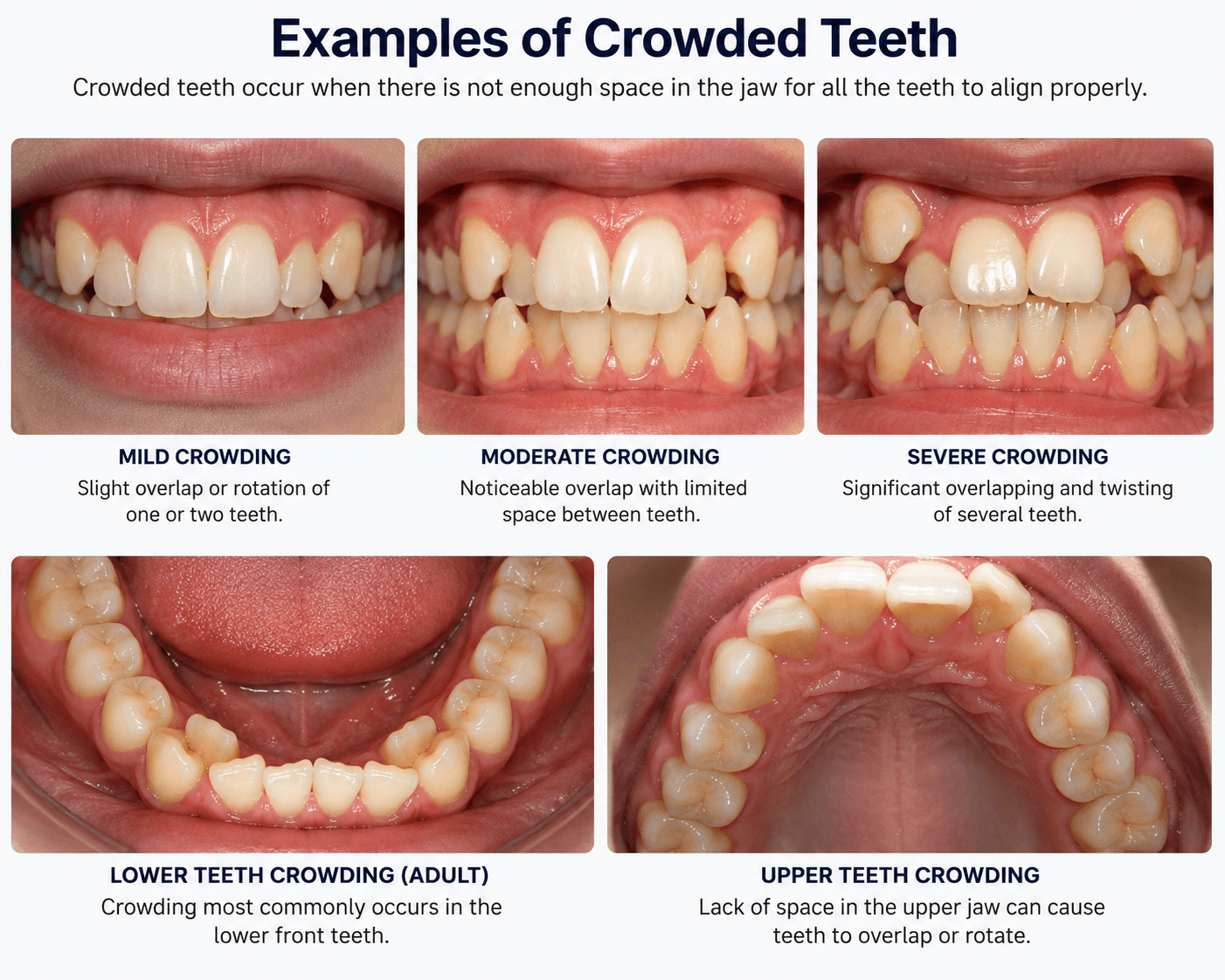
Crowded teeth, also known as dental crowding, occur when there is inadequate space within the dental arch for permanent teeth to erupt into their correct positions. As a result, teeth may overlap, twist, tilt, or emerge behind or in front of neighbouring teeth.
Crowding can affect the upper arch, lower arch, or both. The severity varies from slight misalignment to significant displacement that affects both appearance and function.
Primary Causes
Several factors can contribute to dental crowding.
Genetics
Inherited jaw size and tooth size are among the most common causes. A smaller jaw combined with larger teeth often leaves insufficient room for proper alignment.
Early Loss of Baby Teeth
When baby teeth are lost too soon because of injury or decay, neighbouring teeth may drift into the empty space. This can prevent permanent teeth from erupting correctly.
Extra Teeth
Some individuals develop additional teeth, which can reduce the available space and interfere with normal eruption.
Childhood Oral Habits
Prolonged thumb sucking or dummy use may influence jaw development and tooth positioning during childhood.
Jaw Development
An underdeveloped jaw may not provide enough room to accommodate all permanent teeth.
Natural Tooth Movement
Teeth can gradually shift throughout adulthood, making existing crowding more noticeable with age.
Signs of Crowded Teeth
Although overlapping teeth are usually easy to identify, other signs may also indicate crowding.
Common symptoms include:
Teeth that overlap or rotate
Difficulty brushing and flossing thoroughly
Food becoming trapped between teeth
Increased plaque accumulation
Uneven spacing or smile appearance
Bite irregularities
Occasional speech difficulties in more severe cases
Why Should Crowded Teeth Be Treated?
Leaving crowded teeth untreated can affect both oral health and overall comfort.
Greater Risk of Tooth Decay
Closely positioned teeth create areas that are difficult to clean effectively, allowing plaque and bacteria to accumulate.
Gum Disease
Poor plaque removal may lead to gum inflammation and increase the likelihood of periodontal disease.
Uneven Tooth Wear
Misaligned teeth may place excessive pressure on certain areas during chewing, resulting in premature enamel wear.
Bite Problems
Crowding can alter how the upper and lower teeth meet, potentially affecting chewing efficiency and jaw comfort.
Improved Smile Confidence
Orthodontic treatment can create a more balanced smile, helping many people feel more confident in social and professional settings.

Treatment Options for Crowded Teeth
The most suitable treatment depends on the severity of crowding, your age, bite alignment, and overall oral health.
Clear Aligners
Many patients searching for Invisalign before and after crowded teeth want to understand the results they can expect. Using a series of custom-made, transparent braces, this treatment gradually repositions crowded teeth into better alignment. It is commonly recommended for mild to moderate crowding and may also be suitable for selected complex cases following a comprehensive orthodontic assessment.
Fixed Braces
This remains one of the most effective treatments for moderate to severe crowding.
Options include metal, ceramic and lingual braces, each designed to move teeth with precision. They are particularly effective for correcting significant crowding and complex bite issues.
Palatal Expanders
For children whose jaws are still developing, a palatal expander can gradually widen the upper jaw to create additional space for permanent teeth. This approach is generally most effective before jaw growth is complete.
Tooth Extraction
When crowding is severe, removing one or more teeth may be necessary to create sufficient space before orthodontic treatment begins.
Extraction is only recommended when other approaches are unlikely to achieve a stable result.
Cosmetic Treatments
Procedures such as veneers or dental crowns may improve the appearance of mildly crowded front teeth in selected cases.
However, these treatments do not reposition teeth or correct the underlying alignment problem, making orthodontic treatment the preferred option for long-term correction.
Retainers
After orthodontic treatment, retainers help maintain the new tooth positions and minimise future movement. Wearing retainers as instructed is an important part of preserving treatment results.
Which Treatment Is Right for You?
There is no single solution suitable for every patient. Your orthodontist will assess several factors before recommending treatment, including:
Severity of crowding
Jaw development
Bite relationship
Overall dental health
Age
Personal treatment goals
Digital scans, photographs and X-rays are commonly used to develop a personalised treatment plan.
Can Crowded Teeth Be Prevented?
Although genetics cannot be altered, certain measures may reduce the likelihood of severe crowding or allow earlier intervention.
These include:
Attending regular dental check-ups
Monitoring children's dental development
Addressing prolonged thumb sucking or dummy use
Replacing missing teeth where appropriate
Seeking an orthodontic assessment if crowding begins to develop
Early evaluation often allows treatment to begin before the condition becomes more complex.
Treating Crowded Teeth for Better Oral Health
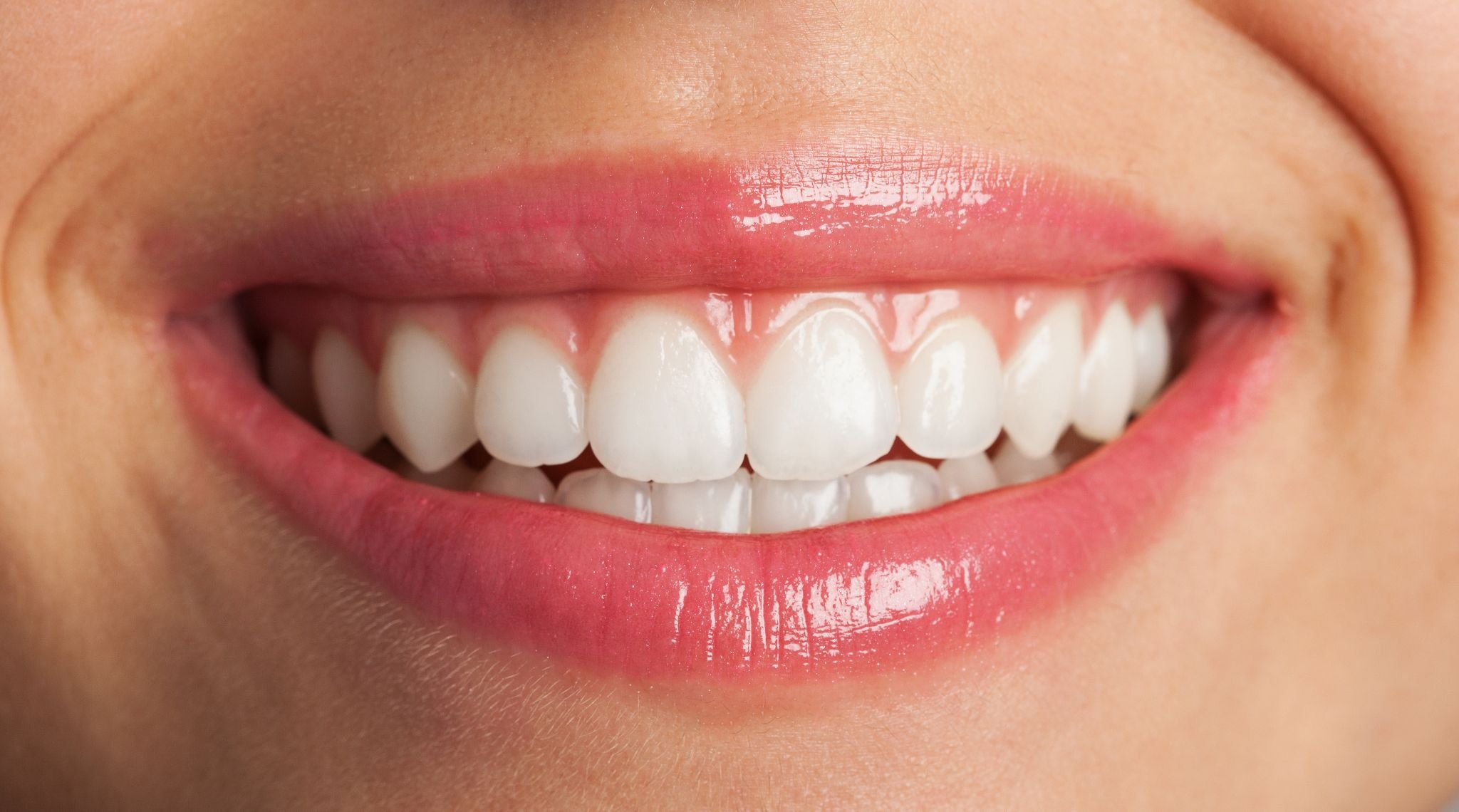
Crowded teeth are more than an aesthetic concern. They can affect oral hygiene, bite function and long-term dental health if left untreated. Fortunately, modern orthodontics offers several effective treatment options, from clear aligners and fixed braces to jaw expansion and, where necessary, tooth extraction.
An early assessment by an orthodontist can help determine the most appropriate approach, improving both oral health and smile alignment with a personalised treatment plan.