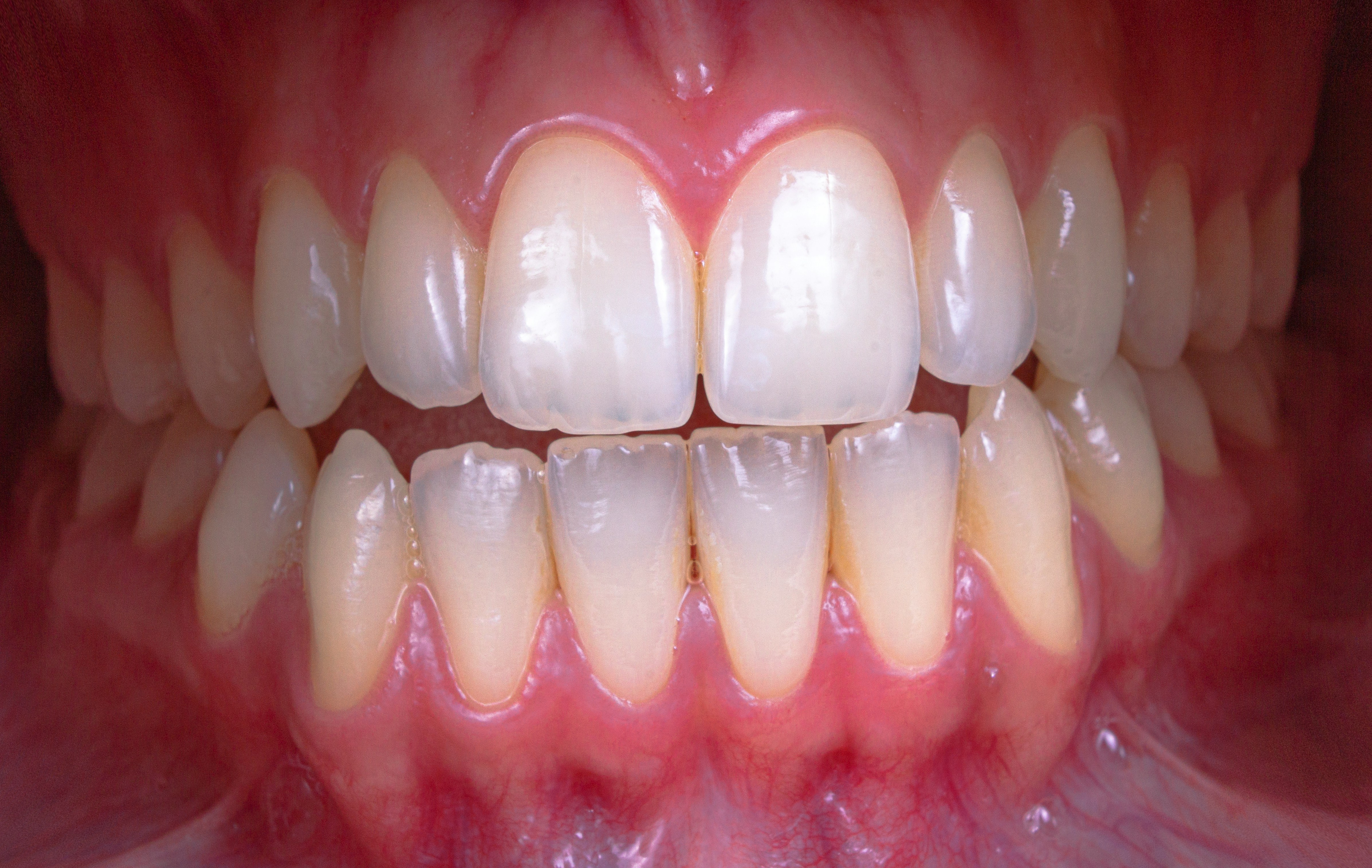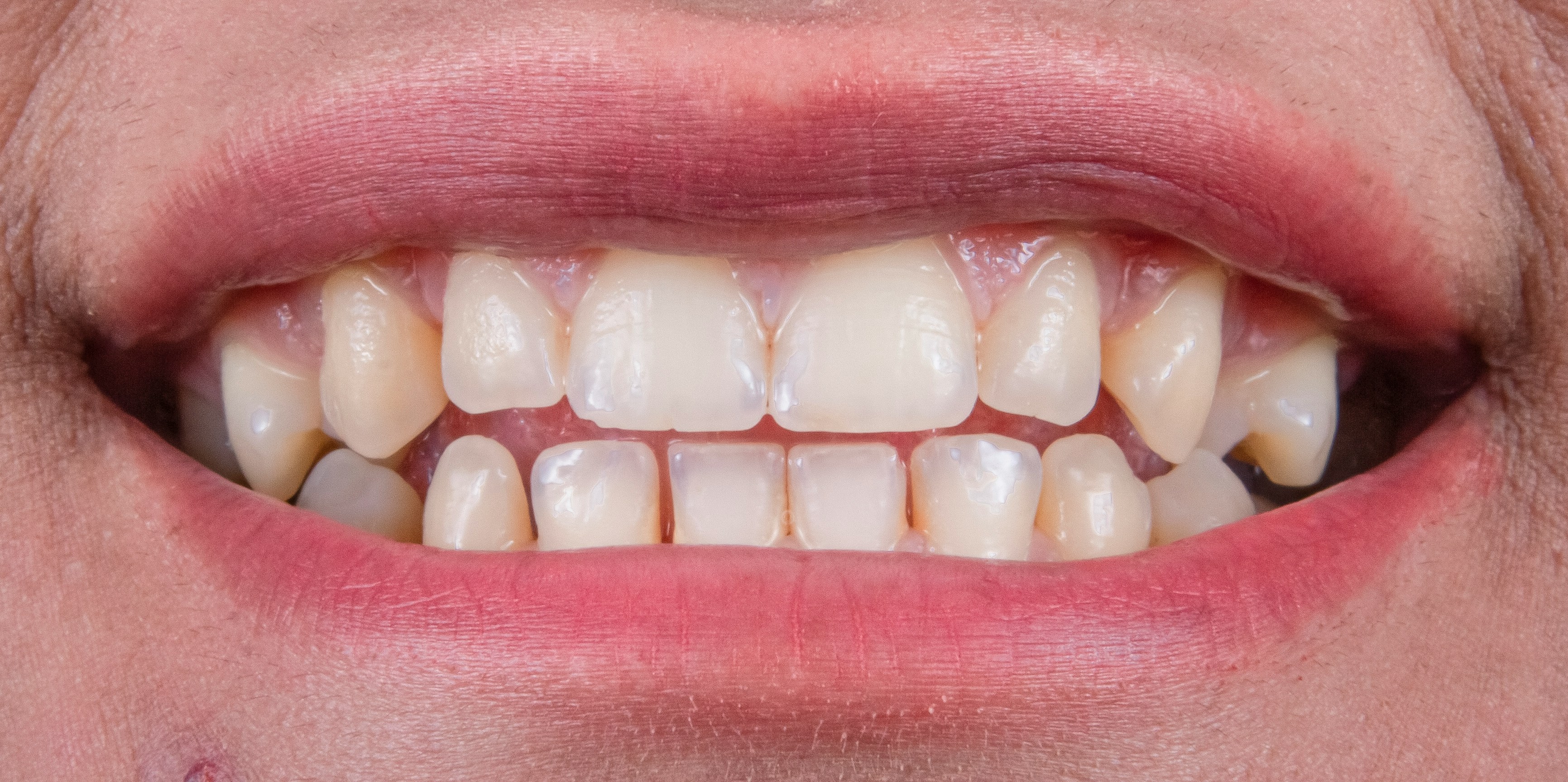
Underlying Causality: A diastema often originates from structural imbalances, such as an oversized labial frenulum, tooth-size discrepancies, or periodontal disease, rather than being a strictly aesthetic concern.
Professional Diagnosis: Clinical evaluation is essential to determine if the space is a localized cosmetic issue or a symptom of systemic oral health challenges that require specific medical intervention.
Tailored Intervention: Choosing the right treatment depends on the patient's age, oral health, and the underlying cause of the gap, making a personalised treatment plan essential.
A diastema refers to any visible space or gap between teeth. While most commonly observed between the maxillary central incisors, the two front teeth, this condition can occur anywhere in the dental arch. Whether treatment is necessary depends on whether the gap affects your oral health, dental function, or simply your appearance.
Primary Causes of Dental Spacing
Gaps between teeth rarely develop without an underlying cause. They typically results from one or a combination of the following physiological factors:
Frenum attachment: The labial frenum is the band of soft tissue that connects the upper lip to the gums. If it extends too far between the front teeth, it can prevent the gap from closing naturally during development, resulting in a persistent gap between teeth.
Tooth-to-jaw size discrepancy: If the jaw is larger than the combined width of the teeth, gaps may naturally develop between them. Conversely, if specific teeth are congenitally missing or undersized (microdontia), the remaining teeth may gradually shift to fill the available space.
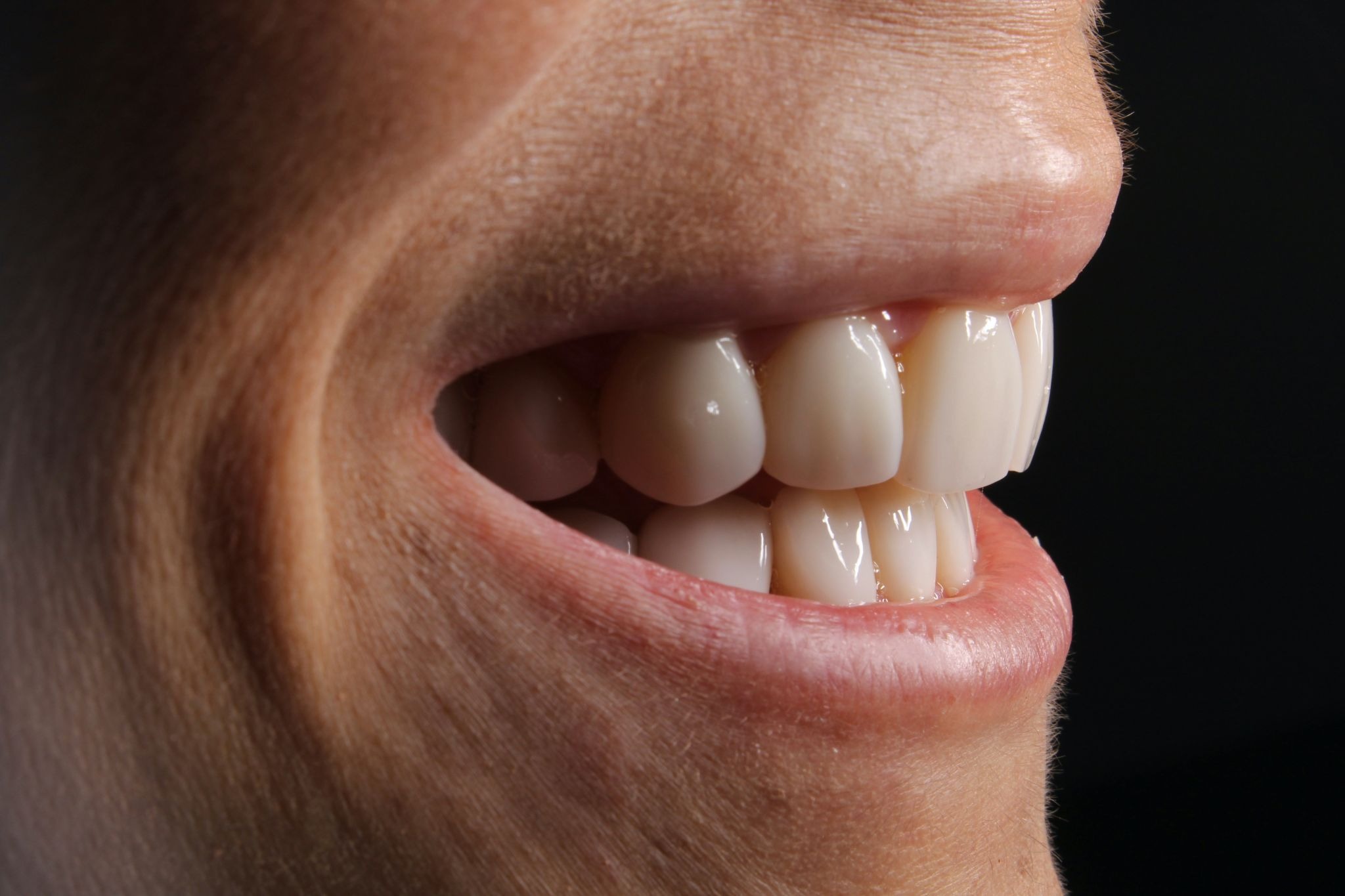
Periodontal disease: Chronic inflammation of the gums and supporting bone structure can result in tooth mobility and migration. As periodontal support weakens, teeth often drift from their original positions, creating new gaps.
Habitual patterns: Prolonged habits, such as thumb-sucking or incorrect tongue-thrusting patterns during childhood, exert consistent pressure on the anterior teeth, gradually pushing them forward or apart.
Clinical Treatment Options for Diastema
Modern dentistry offers a range of treatment options for teeth gap filling. The selection of a procedure depends on the specific anatomical cause identified during a clinical assessment.
Orthodontic Alignment
Orthodontics remains the most conservative and structurally sound method for closing gaps. By applying controlled force over an extended period, the teeth are repositioned within the alveolar bone. Clear aligner technology has evolved to provide a discreet method for achieving these results, ensuring that the tooth roots are moved in parallel to maintain long-term stability.
Restorative Bonding
For patients seeking a minimally invasive treatment that can be completed in a single visit, direct resin bonding is a frequent choice. This involves the application of a composite resin material that is colour-matched to the natural enamel. The material is sculpted to fill the proximal surfaces of the teeth, effectively narrowing the space. This option is ideal for small gaps between teeth and can deliver immediate results without significant alteration to the natural tooth structure.
Porcelain Veneers
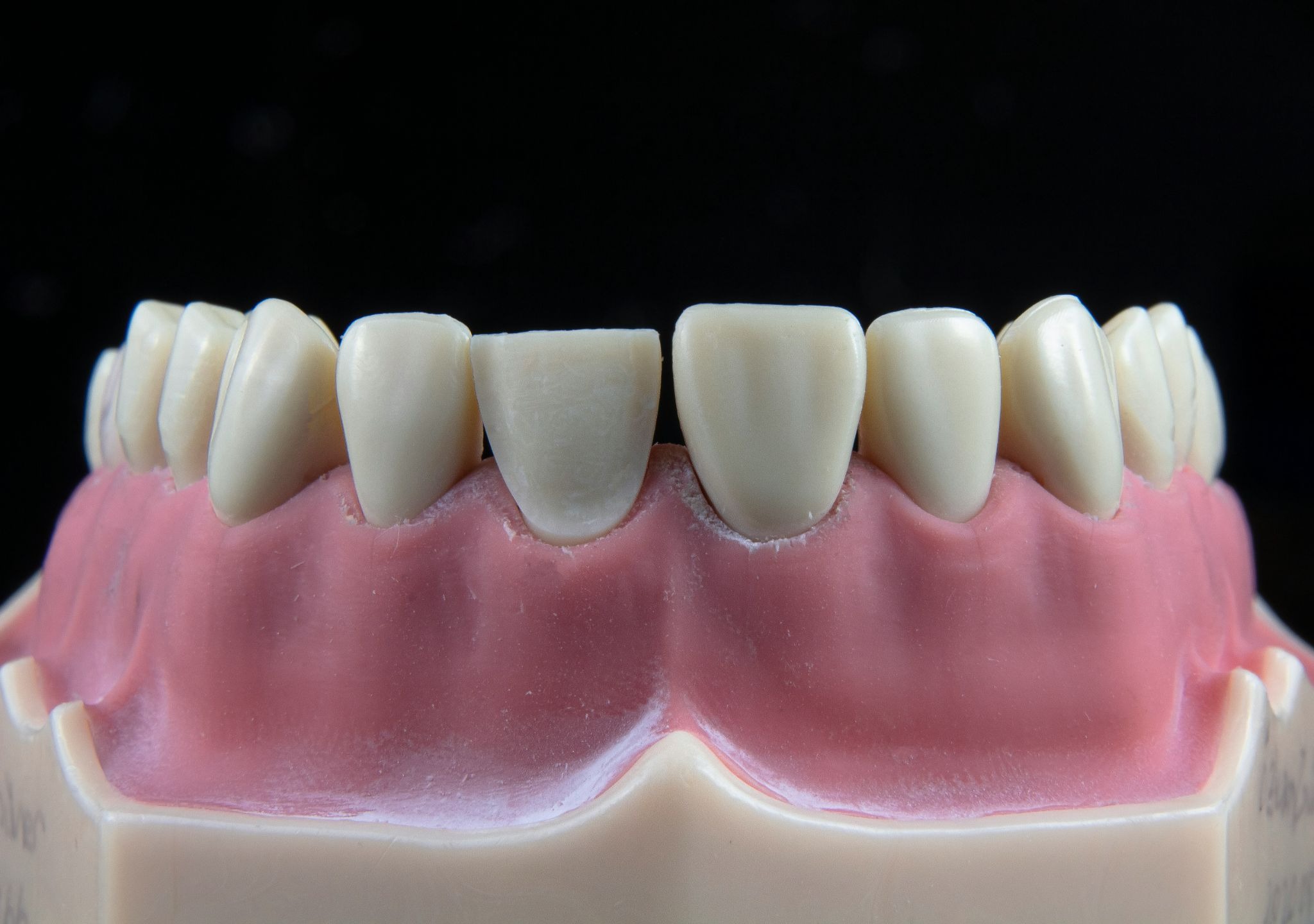
When spacing is accompanied by shape or shade irregularities, porcelain veneers offer a comprehensive solution. These custom-fabricated ceramic shells are bonded to the facial surface of the teeth. Because they cover a larger portion of the tooth, they allow for a more significant alteration of the tooth’s dimensions, providing a natural-looking and long-lasting result.
Surgical Intervention: The Frenectomy
If the root cause is a low-attaching frenum, a minor surgical procedure known as a frenectomy is often required. By removing or repositioning the restrictive tissue, the dentist creates the conditions needed for the gap to close, either spontaneously in younger patients or via orthodontic movement in adults. This procedure is often performed in conjunction with other corrective measures to ensure the gap does not recur.
Long-term Maintenance
Following any teeth gap filling treatment, the maintenance phase is critical. If the gap was closed orthodontically, a permanent or removable retainer is necessary to prevent orthodontic relapse. Similarly, if restorative materials were used, maintaining rigorous oral hygiene is essential to prevent secondary decay or staining at the interface between the restoration and the natural tooth structure.
Periodic professional monitoring is recommended to ensure that the supporting gum tissues remain healthy and that no signs of periodontal migration reappear. By addressing the root cause rather than merely the symptoms, patients can achieve a result that is both aesthetically integrated and functionally durable.
Effective management of a gap between teeth requires a thorough diagnostic phase, where digital imaging and clinical assessment help determine the most suitable treatment approach. Whether the solution involves complex orthodontics or minor restorative enhancements, the goal remains the preservation of oral health and the achievement of a stable, long-term result.