Structural Resilience: Metal braces are the industry standard for durability, providing the mechanical strength necessary for complex bite corrections and active lifestyle.
Aesthetic Subtlety: Ceramic systems offer a refined, low-profile appearance, making them a preferred solution for professionals or those who prioritise visual discretion.
Maintenance Commitment: Ceramic braces require a more diligent approach to oral hygiene and dietary habits to prevent bracket fracture and elastic discolouration.
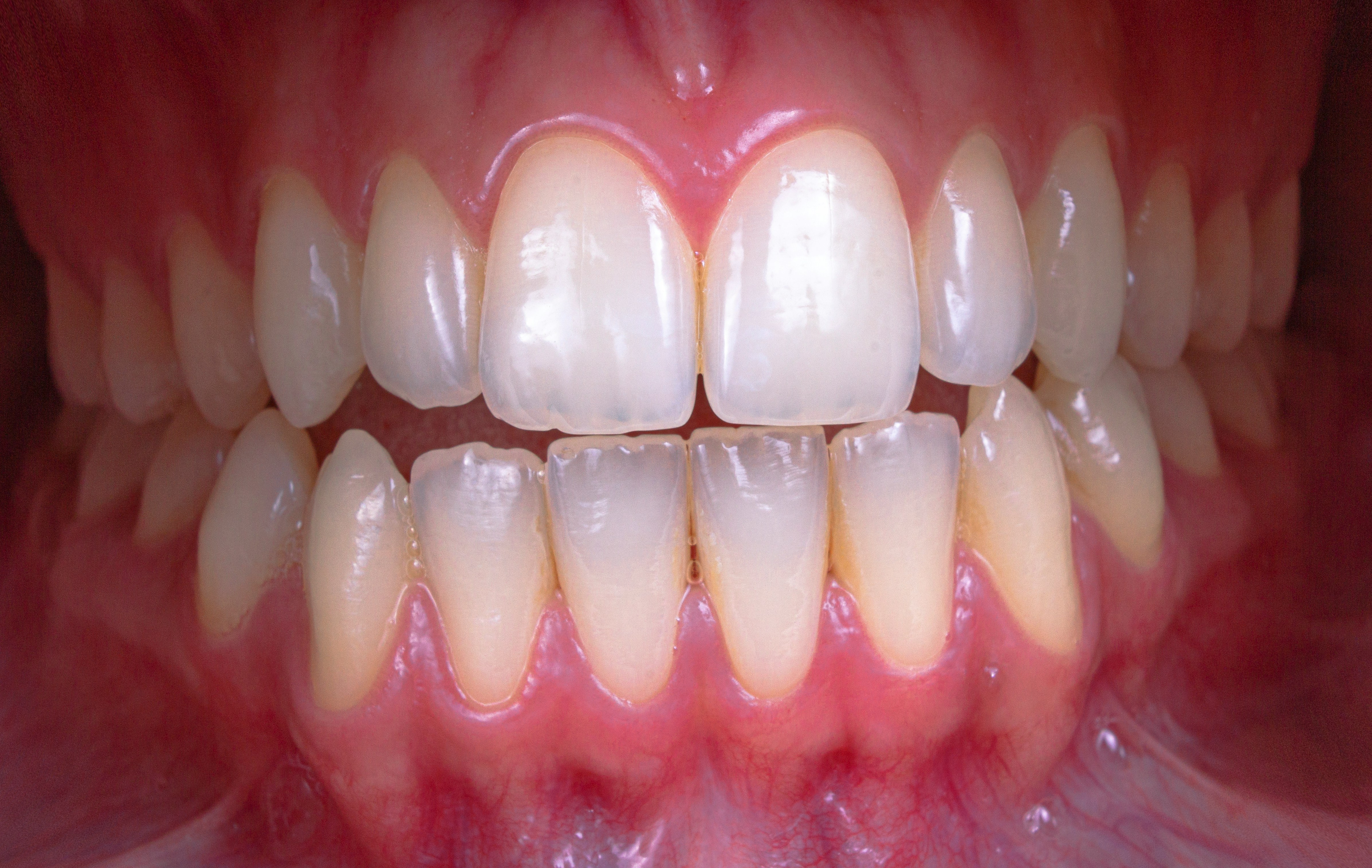
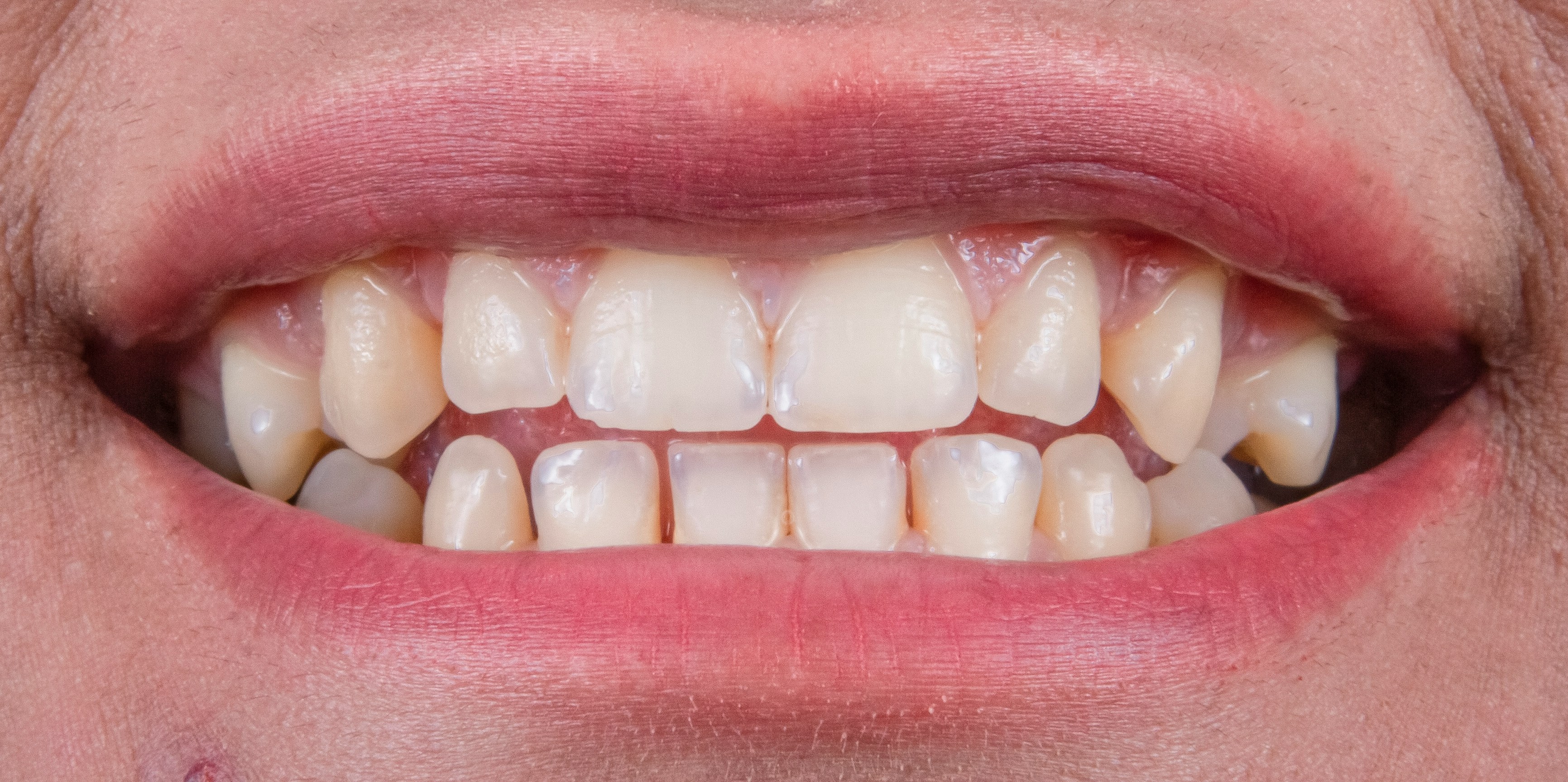
Selecting the appropriate orthodontic treatment is a significant decision. For many individuals, the choice narrows down to two proven methods: traditional metal braces and modern ceramic alternatives. Understanding the clinical, aesthetic, and practical differences between these two options is essential before starting treatment for a straighter, healthier smile.
Characteristics of Traditional Metal Braces
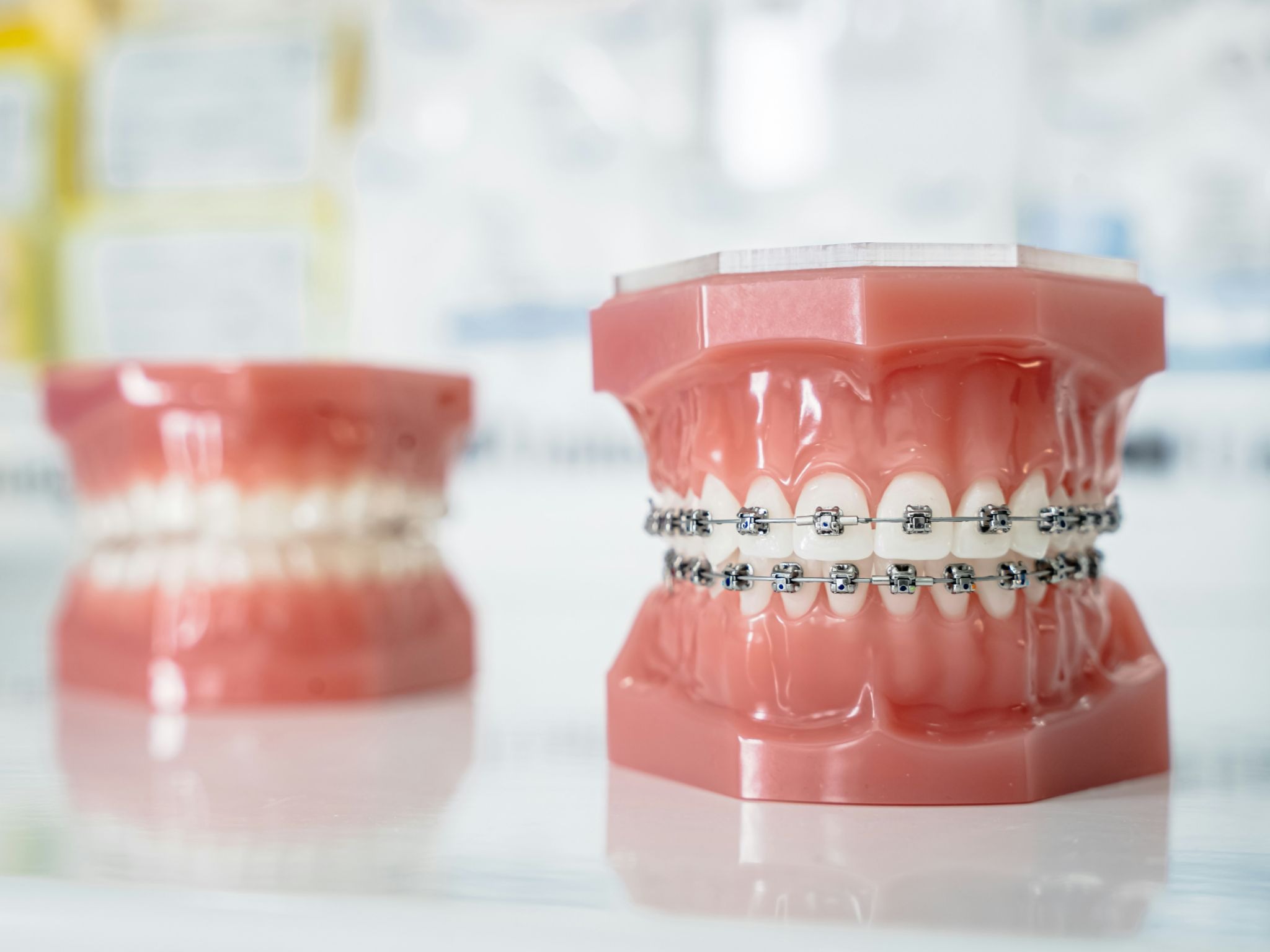
Traditional metal braces remain the most common orthodontic treatment worldwide, primarily due to their long-standing reliability and structural integrity.
Exceptional robustness: Constructed from high-grade stainless steel, these appliances are highly effective for correcting complex malocclusions, severe overcrowding, and deep bite issues.
Reduced friction: The smooth, metallic surface allows the archwire to slide through brackets with less resistance. This often leads to more predictable tooth movement and, in many cases, a slight reduction in total treatment duration.
Exceptional durability: Because stainless steel is highly resistant to fracture, these braces rarely suffer from structural failure, even under the significant pressures of daily chewing or physical impact.
The main drawback is their appearance, as the metal brackets are more noticeable than other orthodontic options. Furthermore, the edges of the metal can occasionally cause minor tissue irritation during the initial weeks of treatment. Nevertheless, when weighing metal vs. ceramic braces, metal remains the most cost-effective and dependable choice for clinical efficiency.
Characteristics of Ceramic Braces
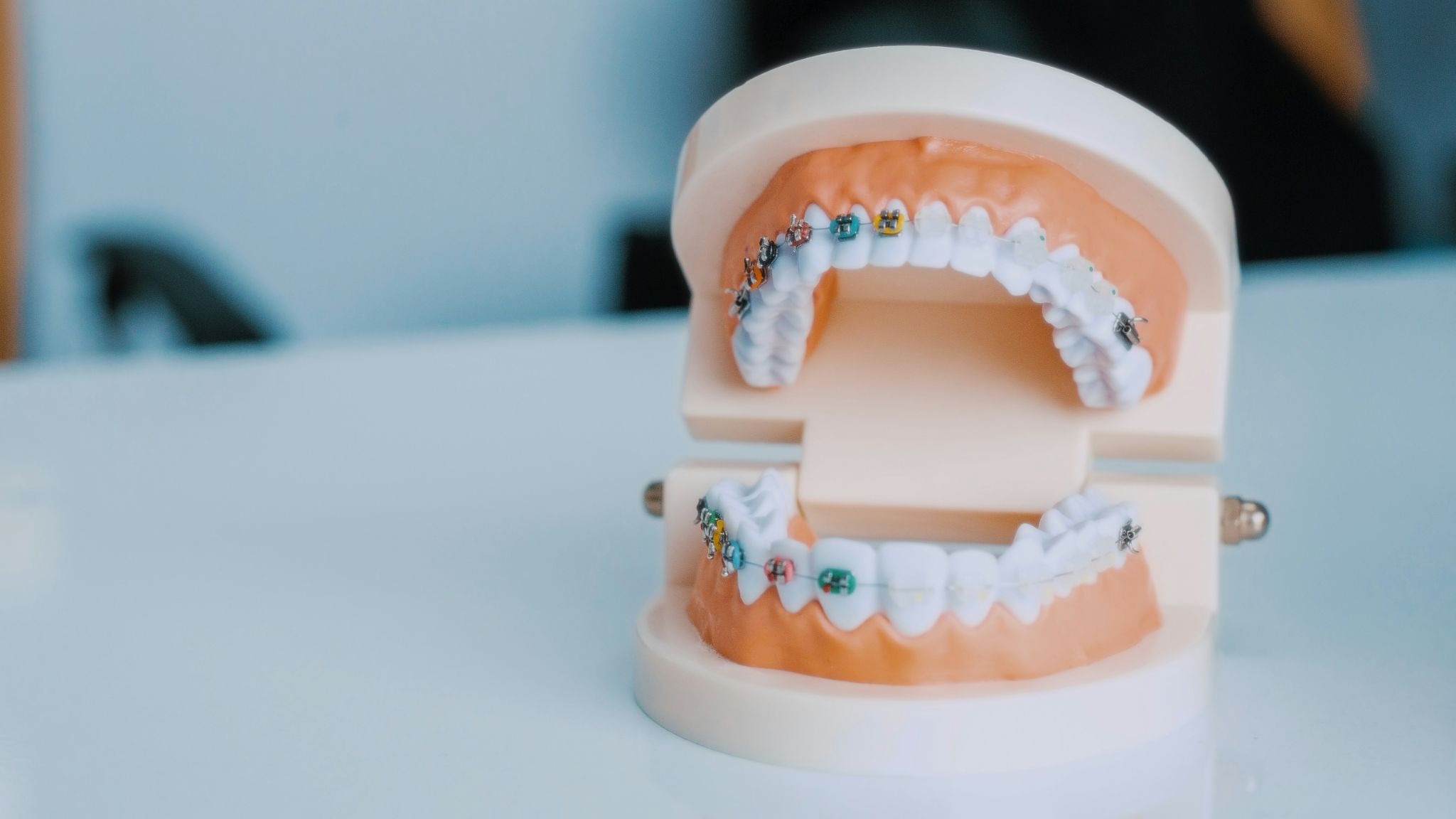
Ceramic braces are a sophisticated advancement in aesthetic orthodontics. While they function identically to metal systems, they offer a significant visual upgrade.
Discreet appearance: Brackets are composed of translucent or tooth-coloured polycrystalline material, allowing them to blend seamlessly with natural enamel.
Increased confidence: If you work in a client-facing role, the discreet appearance of ceramic braces can help you feel more confident during treatment.
Despite these benefits, there are practical considerations. Ceramic is more brittle than steel, making brackets prone to fracturing if exposed to sudden impacts or particularly hard foods. Additionally, the elastic ties used with ceramic braces can become stained by coffee, tea, red wine, and other strongly coloured foods and drinks. When comparing metal vs. ceramic braces, ceramic is best for those who prioritise discretion over the maximum durability offered by metal.
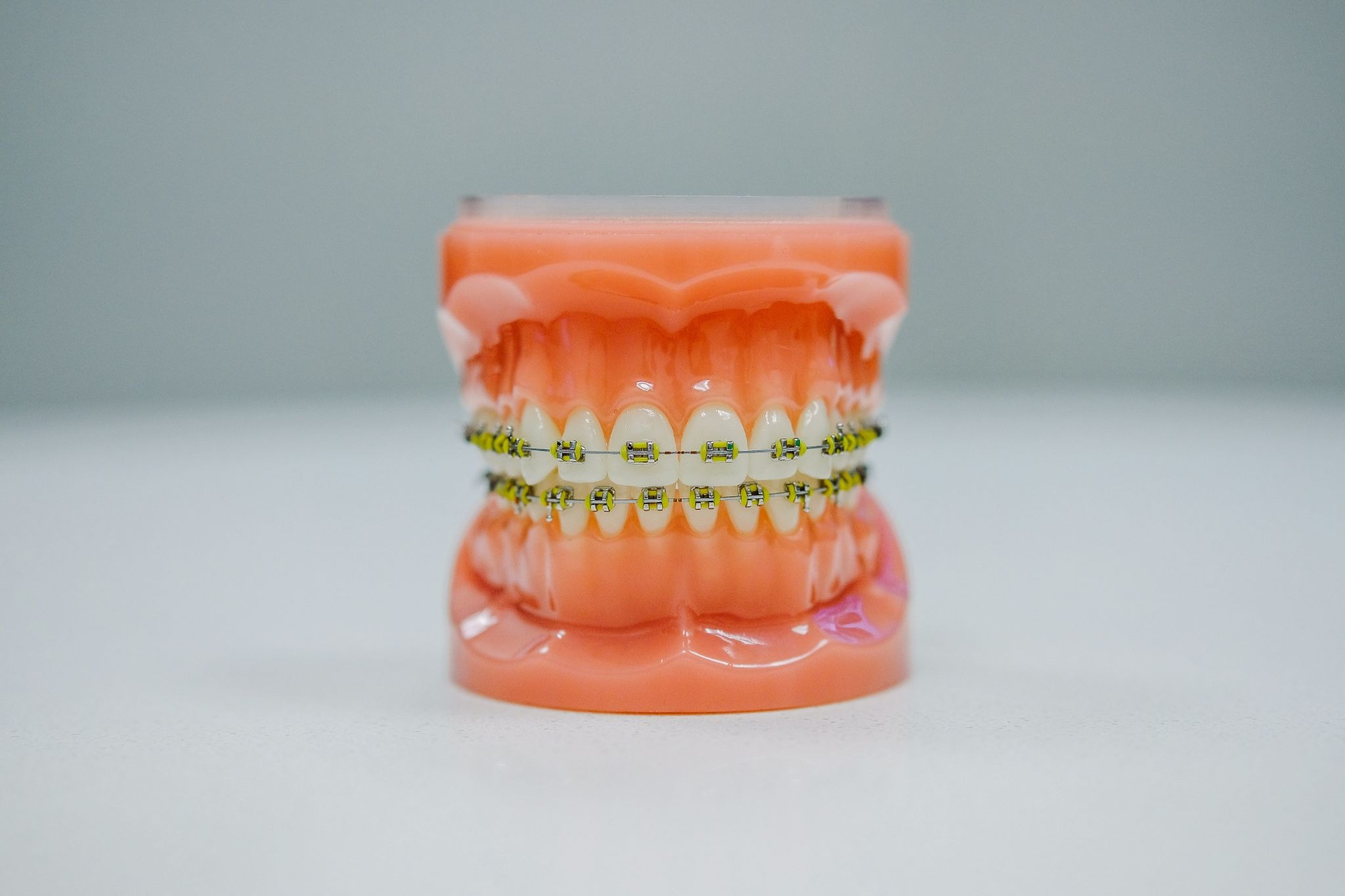
Comprehensive Comparison of Factors
To determine which system aligns with specific health objectives and lifestyle needs, consider the following technical factors:
Durability and Impact Resistance
Metal braces are the undisputed leaders in structural resilience. They are the preferred choice for complex cases involving significant skeletal adjustments. Ceramic braces require a more disciplined approach to diet, as sticky or hard foods must be strictly avoided to prevent bracket damage. If you lead an active lifestyle or participate in contact sports, the strength of metal often proves to be the safer clinical route.
Oral Hygiene and Staining Potential
Oral hygiene is critical throughout any orthodontic journey, but ceramic systems require extra vigilance. Because ceramic braces are designed to blend in with natural teeth, maintaining excellent oral hygiene is important to preserve their appearance. Furthermore, the elastic components require frequent changing to prevent visible yellowing. Metal braces are far less sensitive to food-related discolouration, making them a lower-maintenance option for those concerned about daily upkeep.
Treatment Efficiency and Duration
While historical data suggested ceramic braces were slower due to higher friction, modern technology has largely bridged this gap. However, in highly complex cases, the additional torque control offered by metal brackets may lead to faster results. It is important to discuss these treatment expectations during your consultation to understand how each option will perform based on the complexity of your case.
Financial Investment and Insurance Coverage
The production of high-quality ceramic materials is more expensive, which is reflected in the total cost of the treatment. Metal braces typically offer a more accessible price point and may be covered by insurance plans, depending on the provider and policy.
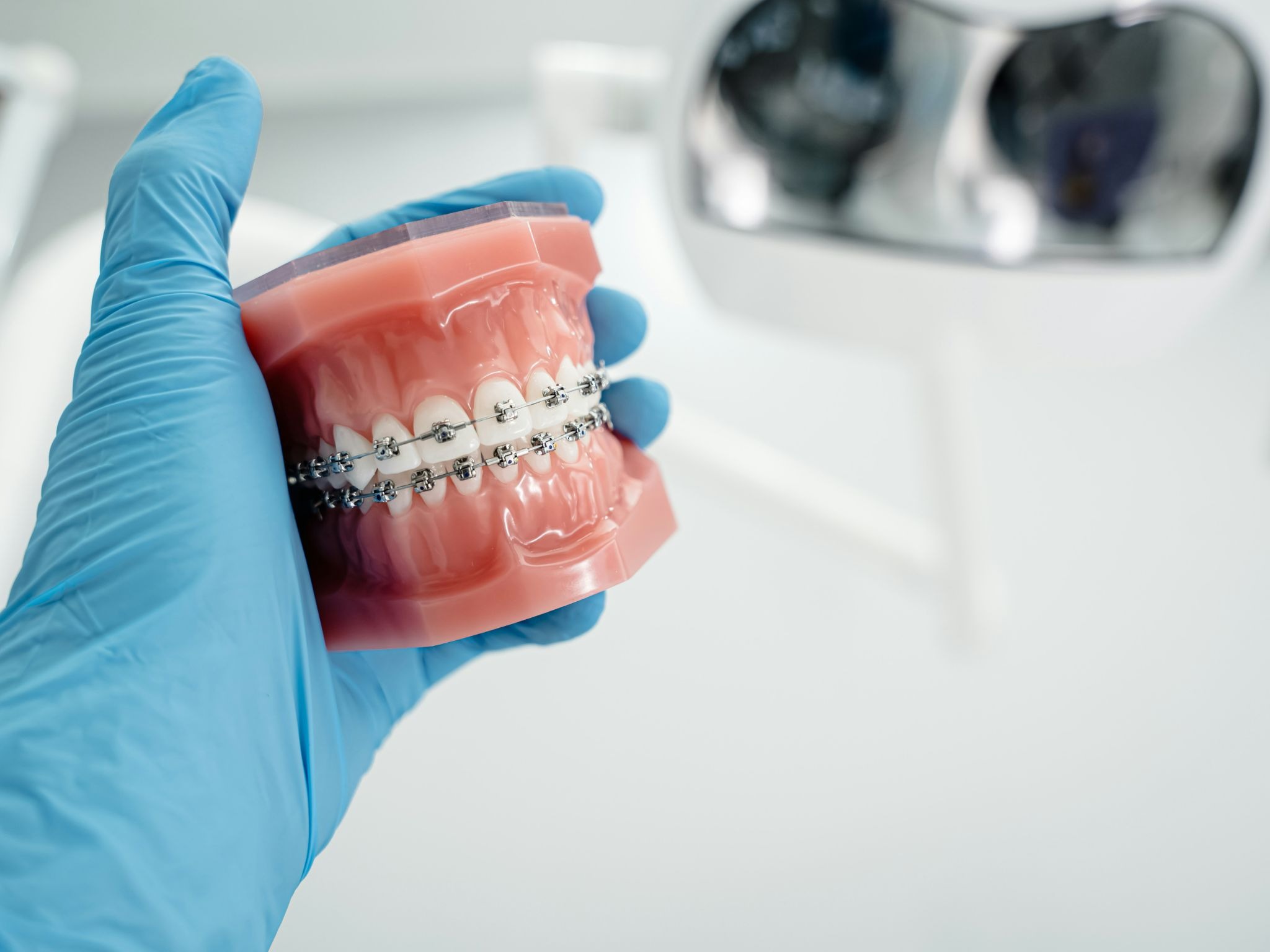
Following Your Treatment Plan
Regardless of the system selected, the success of the outcome depends on strict adherence to your orthodontist's instructions. This includes attending all adjustment appointments and wearing auxiliary appliances, such as rubber bands, exactly as prescribed.
For ceramic: It is necessary to integrate more frequent brushing after every meal to keep brackets pristine. Dietary choices must be monitored to avoid staining of the ligatures.
For metal: Dietary restrictions still apply, but the cleaning process is generally more straightforward, and the brackets are more resistant to accidental damage.
Quick Comparison: Metal vs. Ceramic Braces
Feature | Metal Braces | Ceramic Braces |
Aesthetics | Highly visible | Discreet/Tooth-coloured |
Durability | Extremely high | More fragile/prone to fracture |
Maintenance | Low (less staining) | High (requires strict hygiene) |
Friction | Lower (efficient movement) | Higher (can influence speed) |
Cost | More affordable | Typically higher |
Best For | Complex cases and active lifestyles | Patients seeking a more discreet appearance |
Making an Informed Final Decision
The choice between these two systems is a clinical decision based on unique dental anatomy. An orthodontist will perform a comprehensive examination, likely including digital imaging, to assess the specific degree of misalignment.
They will explain whether your treatment would benefit from the strength of metal braces or whether ceramic braces would be equally effective while offering a more discreet appearance. Do not hesitate to ask specific questions regarding the expected duration of treatment, maintenance requirements, and the long-term impact on oral health.
While the aesthetic benefit of ceramic is enticing, it should never come at the expense of necessary treatment outcomes. The primary goal is to achieve a healthy, functional bite and a straight smile that improves long-term dental hygiene. By carefully considering the durability, cost, and maintenance factors outlined, it is possible to approach a consultation with the confidence required to make a choice that aligns with both health objectives and personal lifestyle.