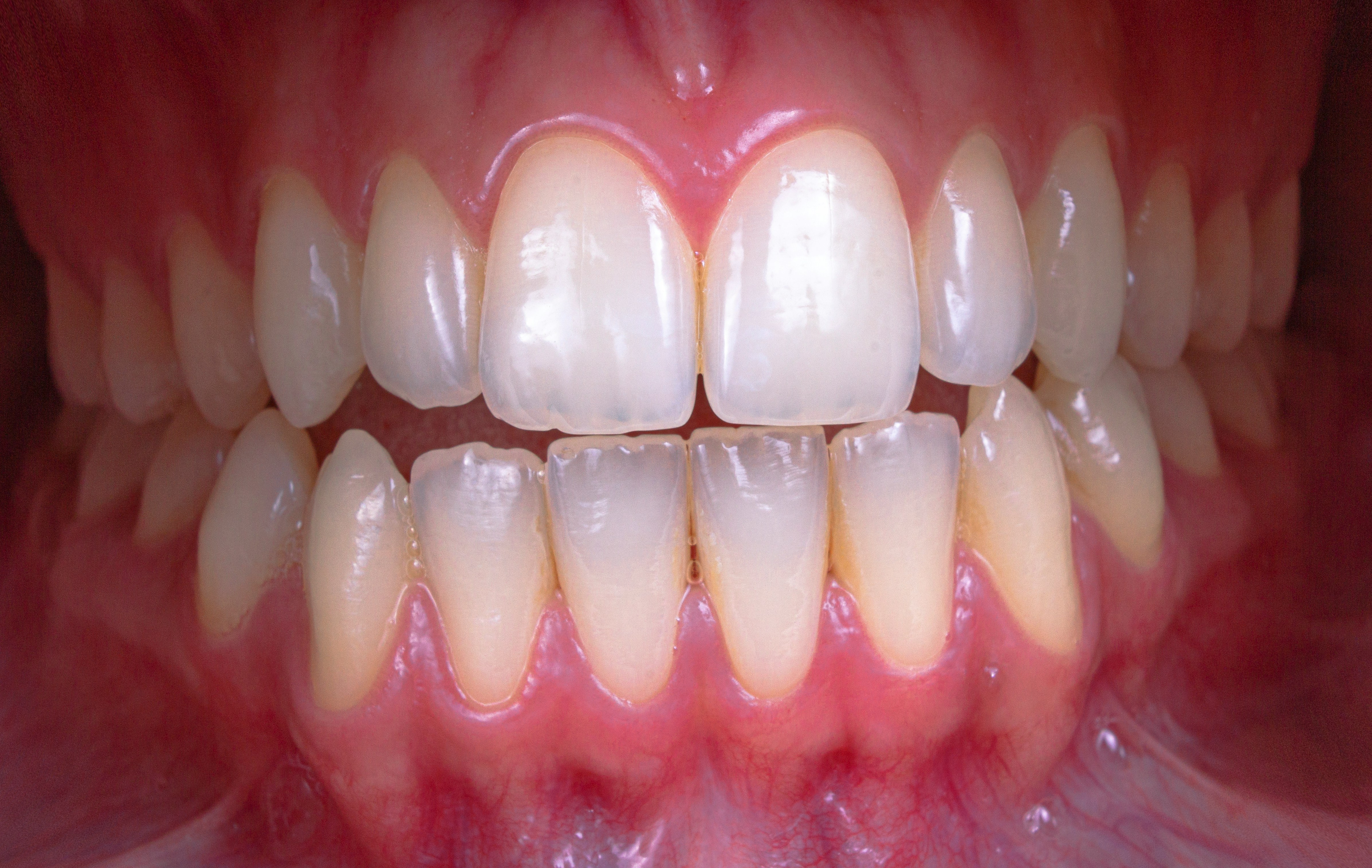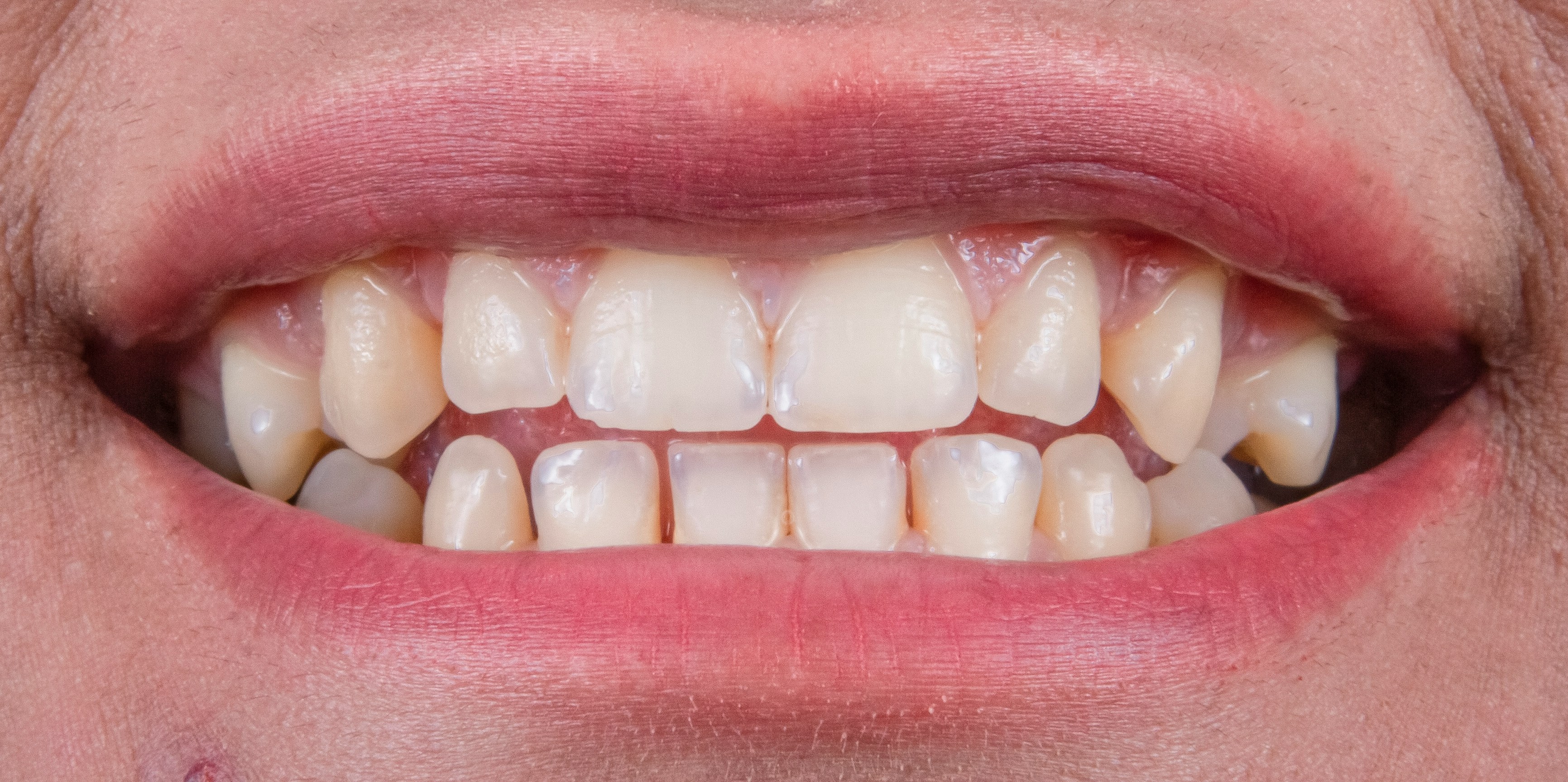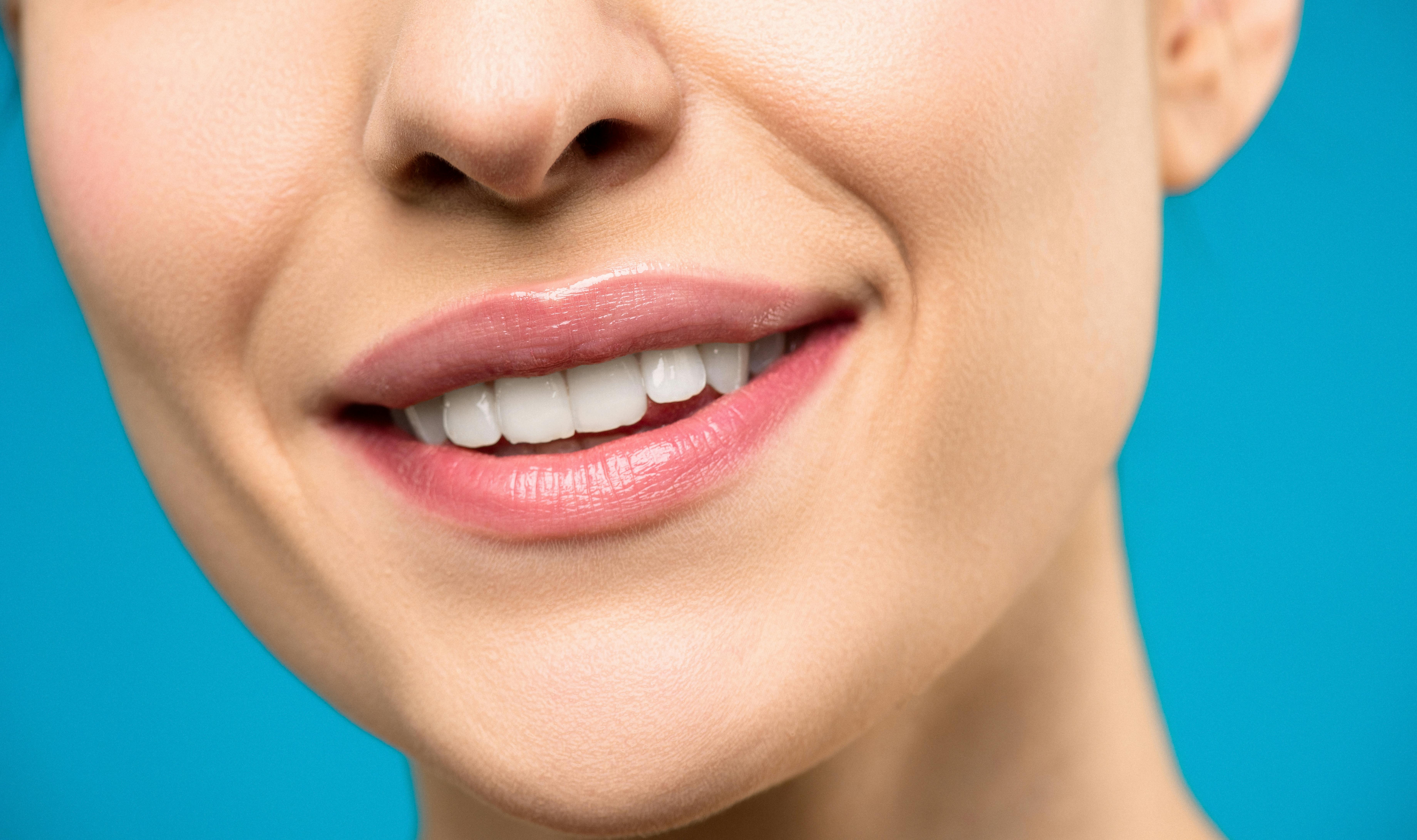
A bright smile is often a sign of health and confidence. However, it is very common for teeth to lose their sparkle over time. Many people notice their teeth turning yellow, brown, or even grey as the years pass. While this change is often natural, understanding why it occurs can help you better care for your smile.
What Is Tooth Discolouration
It occurs when the colour of your teeth changes from a natural white to a different shade. It is not always a sign of poor health, but it does change how your smile looks. To understand discolouration, it helps to know how a tooth is built.
The outer layer of your tooth is called the enamel. This is a hard, white protective shell. Underneath the enamel is a layer called dentin. Dentin is naturally pale yellow or yellowish-brown. Discolouration happens in two ways. Either the enamel on the outside gets stained by foods and drinks, or the dentin on the inside changes colour or becomes more visible.
When the enamel wears down, the yellow dentin beneath becomes more visible. This is why many people find their teeth look yellower as they get older. Understanding the difference between surface stains and internal changes is the first step in finding the right solution.

Types of Tooth Stains
Not all stains are created equal. Dentists generally group tooth discolouration into three main categories. Identifying which type you have will determine which treatments will work best for you.
Extrinsic
They live on the outer layer of the tooth, known as the enamel. These stains usually come from external sources that come into contact with your teeth every day. Tobacco, dark liquids, and certain foods are the main culprits. Because these stains are on the surface, they are often the easiest to remove with professional cleaning or whitening products.
Intrinsic
It happens deep within the inner structure of the tooth. This occurs when the dentin darkens or develops a tint. Unlike surface stains, you cannot simply scrub these away. They can be caused by certain medications, tooth trauma, or overexposure to fluoride during childhood. Because the stain is inside the tooth, standard whitening treatments may not always be effective.
Age-Related
A combination of both extrinsic and intrinsic factors. Over time, the outer layer of enamel naturally thins out from years of chewing and brushing. As the enamel thins, the yellowish dentin beneath becomes more visible. Additionally, most people accumulate surface stains over many years, which adds to the duller appearance of the teeth as they age.
Common Causes of Stained Teeth
There are many reasons why teeth lose their brightness. Some factors are related to lifestyle choices, while others result from health or environmental factors.
Foods and Drinks
The things we consume are the most frequent cause of yellowing. Many popular items contain “chromogens,” which are intense pigments that stick to tooth enamel.
Coffee and Tea: Both contain tannins, which help stains bind to teeth.
Red Wine: This drink is highly acidic and contains deep pigments that can quickly dull a smile.
Dark Sodas: The combination of sugar, acid, and artificial colouring is a major contributor to surface staining.
Berries: Blueberries, blackberries, and pomegranates have strong colours that can leave a lasting mark on the enamel.
Tobacco Use
It contains two main chemicals that create deep stains: tar and nicotine. Tar is naturally dark. While nicotine is colourless, it turns yellow when it mixes with oxygen. This creates a stubborn, yellowish-brown stain that can penetrate deep into the enamel's pores.
Poor Oral Hygiene
When you do not brush and floss regularly, plaque and food particles stay on your teeth. Plaque is a sticky film of bacteria. If left untreated, it can harden into tartar (also called calculus). Tartar is often yellow or brown and can only be removed by a dental professional. The more tartar you have, the easier it is for new stains to stick to your teeth.
Medications
If children take antibiotics like tetracycline or doxycycline while their teeth are still forming, it can cause permanent internal staining. In adults, some high blood pressure medications, antihistamines, and even some mouthwashes containing chlorhexidine can cause surface discolouration if used over a long period.
Trauma or Injury
If a tooth is hit or damaged, it may change colour. This often happens because the tooth produces more dentin to protect itself from the injury. In some cases, the “pulp” or the living part of the tooth can die after a hit, making the tooth look grey or dark brown. This is an internal change that usually requires specific dental attention.
Excess Fluoride (Fluorosis)
Fluoride is vital for preventing cavities, but too much can be harmful to children. If a child consumes too much fluoride while their permanent teeth are still under the gums, they may develop fluorosis. This shows up as faint white lines or, in more severe cases, brown spots on the teeth. Once the teeth have finished growing, you cannot develop fluorosis.
How to Treat Stained Teeth
The good news is that most discolouration can be managed. The treatment you need depends on whether the stain is on the surface or deep inside.
Professional Teeth Whitening
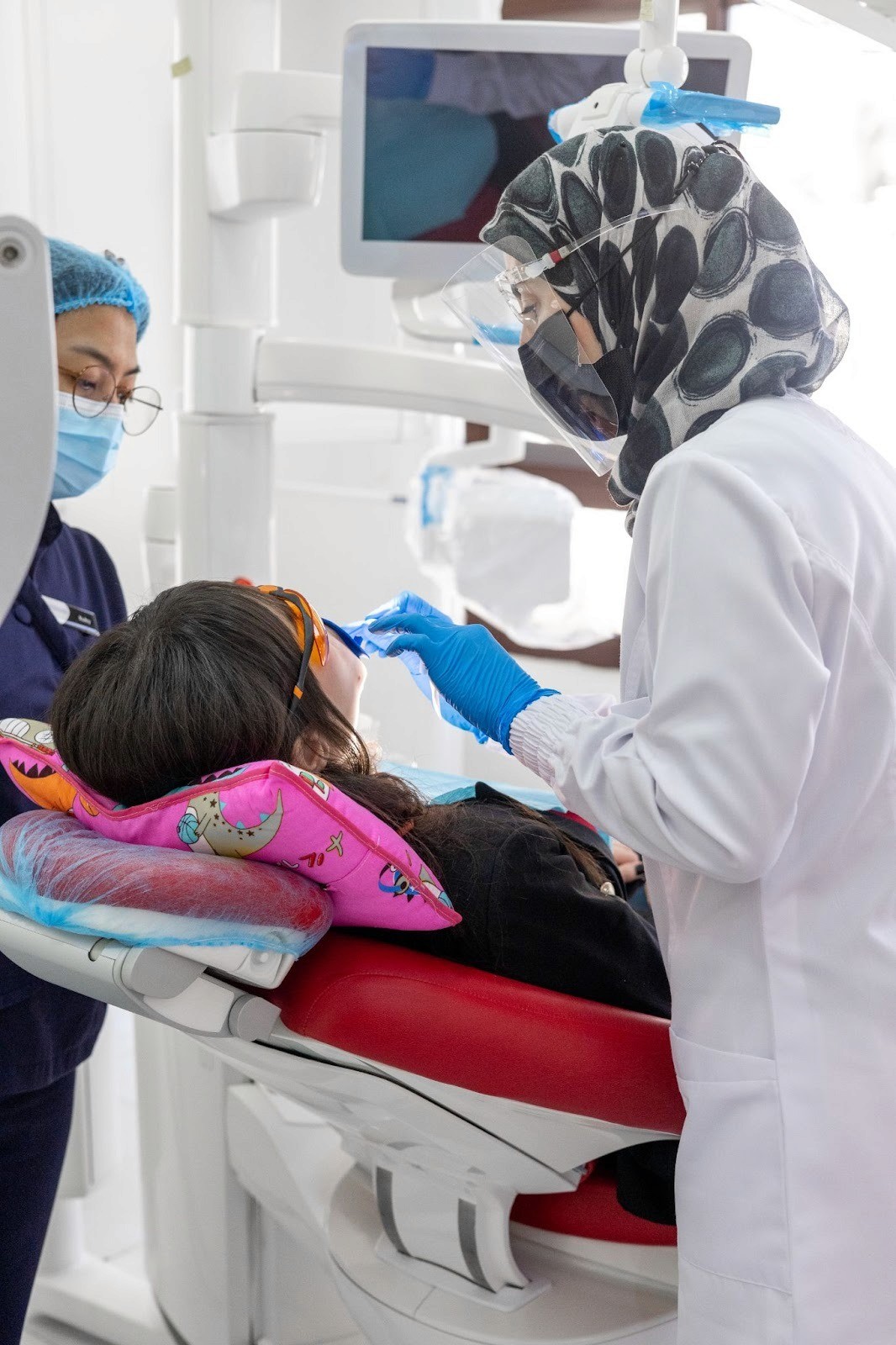
This is the most common way to brighten teeth. A dentist uses a bleaching gel containing hydrogen peroxide or carbamide peroxide.
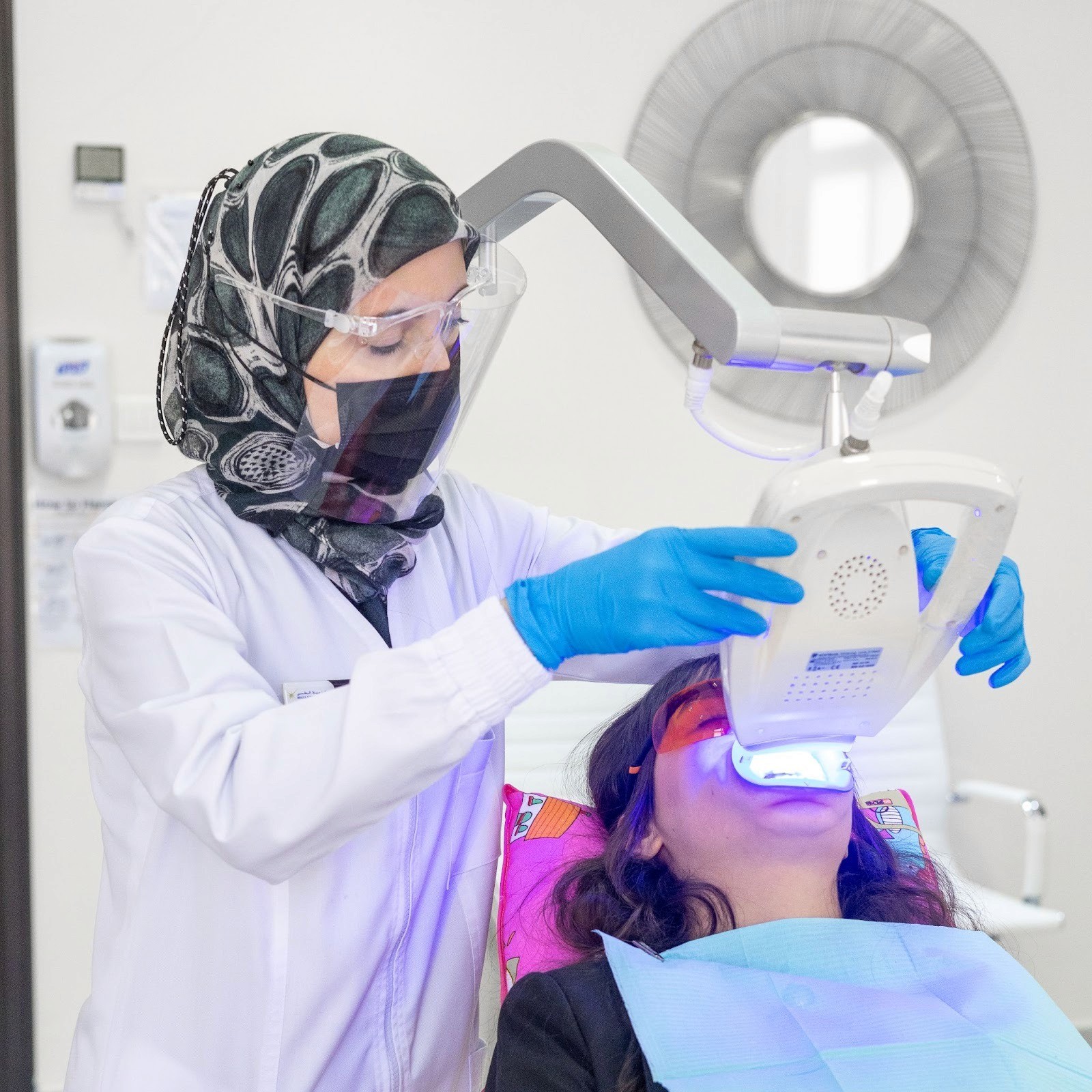
In-Office Whitening: A fast way to see results. A high-concentration gel is applied to the teeth, often with a special light to speed up the process. It usually takes about an hour.
Take-Home Kits: Your dentist can provide custom-made trays and a professional-strength gel. You wear these for a set amount of time each day for a few weeks. This is safer and more effective than shop-bought kits because the trays are made to fit your mouth perfectly.
Dental Cleaning
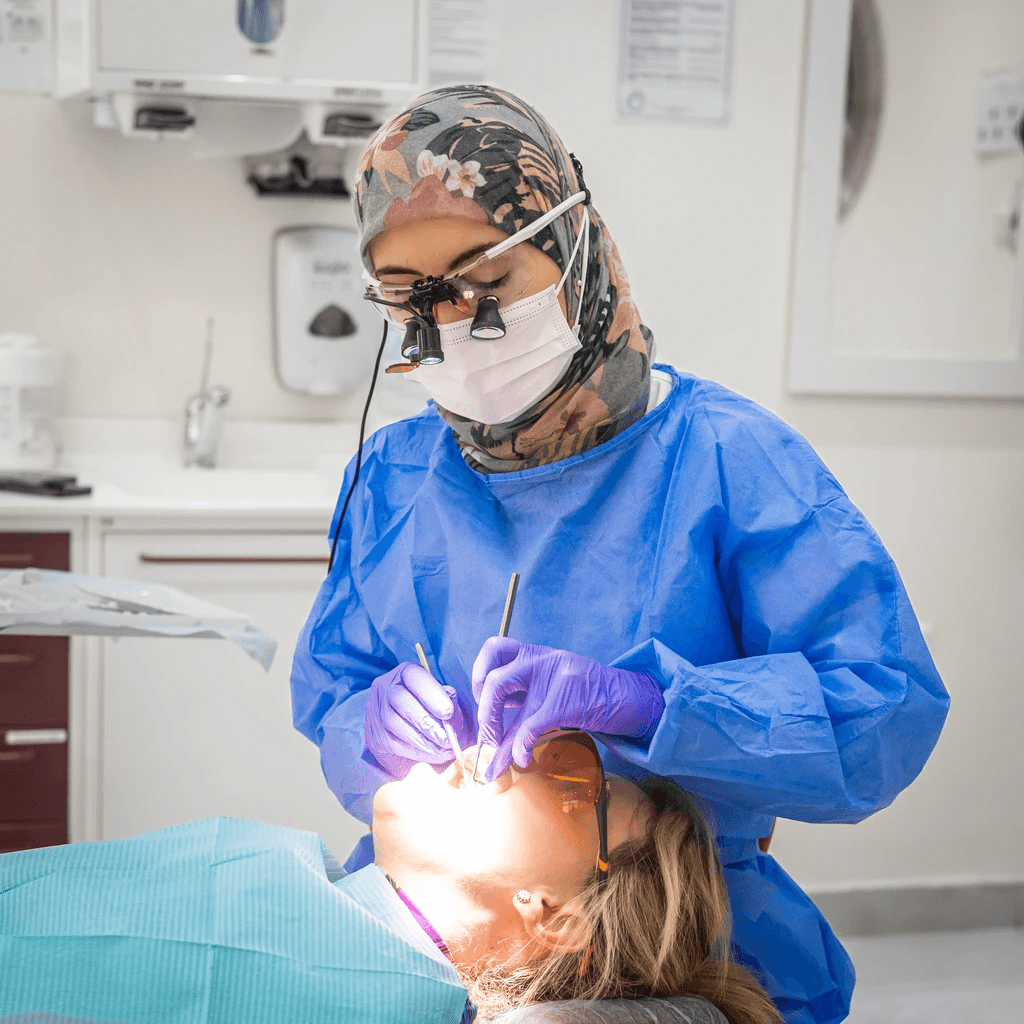
Sometimes, teeth do not need bleaching; they just need a deep clean. A dental hygienist uses special tools to remove plaque and tartar during a “scale and polish.” This process removes the stubborn surface stains that a regular toothbrush cannot reach. It is a simple way to restore your teeth's natural colour without using chemicals.
Veneers or Bonding
If a stain is internal (intrinsic) and does not respond to whitening, a dentist might suggest covering the tooth.
Dental Bonding: A tooth-coloured resin is applied to the surface and shaped to look natural. It is then hardened with a light. This is a quick and effective way to hide one or two dark teeth.
Porcelain Veneers: These are very thin shells of porcelain that are custom-made to fit over the front of your teeth. They are very durable and can give you a permanently bright, uniform smile.
How to Prevent Tooth Discolouration
Keeping your teeth bright is often easier than trying to whiten them later. Simple changes to your daily habits can protect your enamel from staining.
Rinse with water: After drinking coffee, tea, or red wine, rinse your mouth with plain water. This helps wash away the pigments before they can settle on your teeth.
Use a straw: When drinking cold, dark beverages, using a straw can help the liquid bypass your front teeth entirely.
Brush and floss daily: Removing plaque every day prevents it from turning into yellow tartar. Using an electric toothbrush can also be more effective at removing surface stains than a manual one.
Visit the dentist: Regular check-ups and cleanings every six months are the best way to keep surface stains under control and ensure your enamel stays thick and healthy.
Modify your diet: Try to eat crunchy fruits and vegetables like apples and carrots. These act as natural toothbrushes, gently scrubbing your teeth as you eat.